


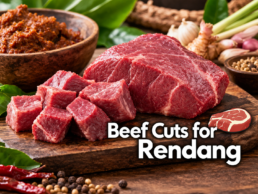
Beef Cuts for Rendang That Stay Tender: Choose Wisely!
Beef Cuts for Rendang - A delicious rendang is not just about rich spices, creamy coconut milk, and hours of slow cooking. Choosing the right beef is equally important if you want tender meat that absorbs the seasoning without falling apart. Understanding the best Beef Cuts for Rendang helps you achieve the right texture, flavor, and consistency every time you prepare this iconic Indonesian dish.
Not every beef cut performs the same way during long cooking. Some cuts remain firm enough to hold their shape, while others contain more connective tissue that gradually softens with heat. Choosing the wrong cut can leave you with dry, tough, or overly shredded meat, even after hours on the stove.
Whether you are cooking rendang at home or preparing it for a restaurant, knowing which cuts to use can make a significant difference. Here are the most suitable options and practical tips for getting the best results.
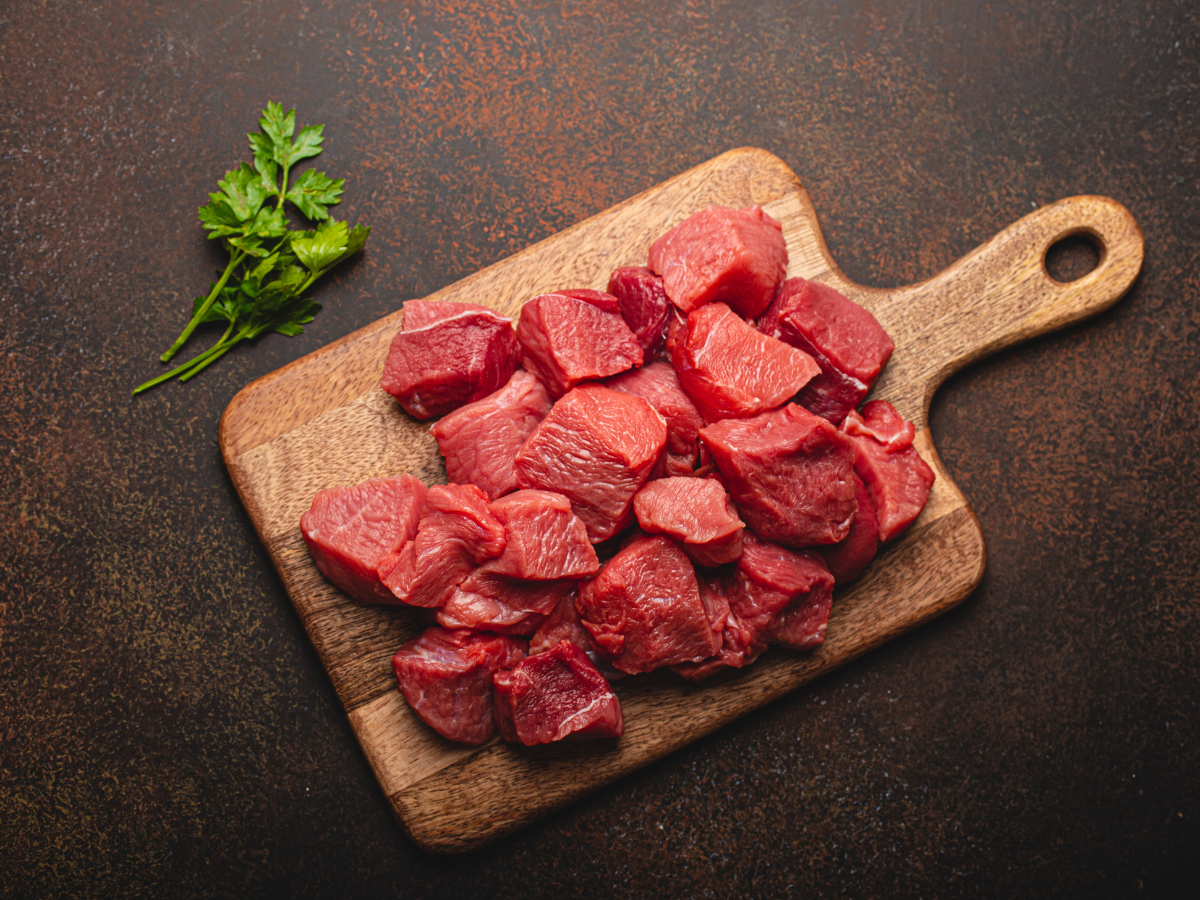 1. The Best Beef Cuts for Rendang
When selecting Beef Cuts for Rendang, consider the muscle structure, connective tissue, fat content, and cooking time. These factors influence how the meat responds to slow cooking.
Beef Topside
Topside comes from the upper rear leg of the animal. It is relatively lean and firm, making it a popular option for dishes that require neat, substantial pieces of meat.
For rendang, topside works well when you want the beef to retain its shape throughout the cooking process. Its relatively uniform structure also makes it suitable for restaurants and catering businesses that need consistent portions.
However, because topside is lean, it can become dry if overcooked without sufficient moisture. Cut it against the grain into evenly sized chunks and cook it gently with the spice mixture and coconut milk.
Beef Chuck
Chuck comes from the shoulder area and typically contains varying amounts of fat and connective tissue. These characteristics make it a useful choice for slow-cooked dishes such as rendang.
With sufficient cooking time, the connective tissue in suitable chuck cuts gradually softens, contributing to a tender texture and rich mouthfeel. The balance of meat, fat, and connective tissue can also complement the bold spices used in rendang.
Chuck is worth considering if you want a balance between flavor, texture, and cost. Because chuck specifications can vary, ask your supplier about the exact cut before purchasing.
Beef Shank
Beef shank comes from the leg and contains a relatively high amount of connective tissue. It generally requires longer cooking to become tender.
When cooked slowly, the connective tissue breaks down and contributes gelatin, creating a rich texture. However, shank may not be the first choice if you want uniformly shaped pieces with a firm bite.
This cut is better suited to recipes where a gelatin-rich texture is desirable and longer preparation times are manageable.
2. How to Choose Fresh Beef for Rendang
Selecting the right Beef Cuts for Rendang is only part of the process. The condition of the meat and how it has been handled also matter.
Before buying beef, pay attention to these factors:
- Color: Fresh beef generally has a natural red color appropriate to the cut. Avoid meat with unusual discoloration.
- Smell: Fresh beef should not have a sour, rotten, or otherwise unpleasant odor.
- Texture: The surface should not feel unusually slimy or sticky.
- Fat distribution: Choose the amount of fat based on your preferred flavor and texture.
- Storage conditions: Beef should be stored at an appropriate temperature and handled hygienically.
For restaurants and catering businesses, consistent specifications are especially important. Uniform cuts help standardize cooking times, portion sizes, and the final presentation.
3. How to Cut Beef for Tender Rendang
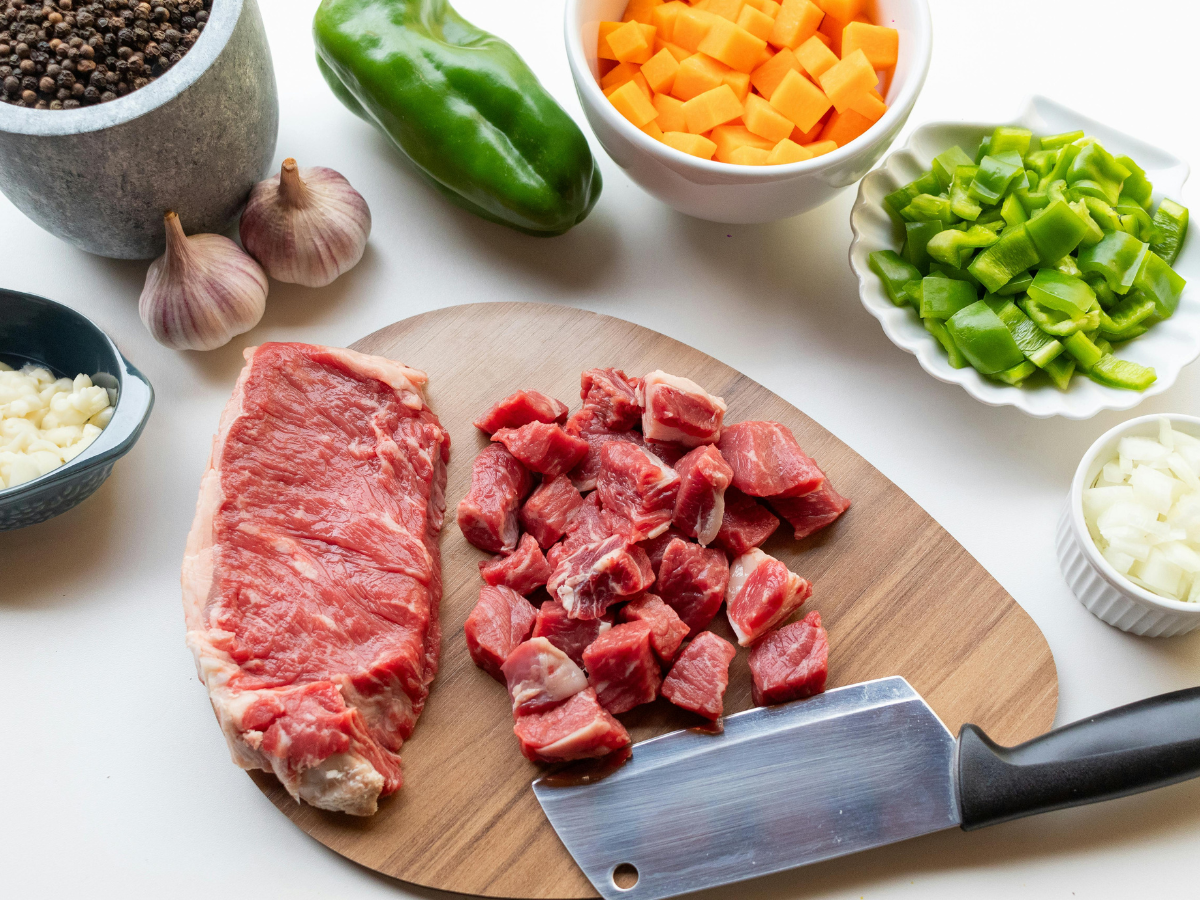
Even the best Beef Cuts for Rendang can turn out tough if they are prepared incorrectly. One common mistake is cutting the meat along the direction of the muscle fibers, leaving long strands that are harder to chew.
Cutting against the grain shortens the muscle fibers and can make each piece easier to eat. For rendang, relatively large chunks are generally preferable because the meat shrinks during cooking.
Avoid cutting the beef too small at the beginning. Small pieces can break apart during prolonged cooking, especially if they are stirred too frequently.
Once the meat is cut, cook it with the spice paste and coconut milk over low heat. Stir gently when needed to prevent the bottom from burning without damaging the shape of the beef.
Slow, controlled cooking allows the spices to penetrate the meat while gradually improving its tenderness.
4. How Long Should Beef Cook for Rendang?
There is no single cooking time that works for every beef cut. The required duration depends on the type of cut, the size of each piece, the heat level, and the cooking method.
Lean cuts such as topside may behave differently from chuck or shank, which can contain more connective tissue. Instead of relying on the clock alone, check the texture of the meat as it cooks.
Maintain gentle heat and monitor the liquid level. If the coconut milk reduces too quickly while the beef remains tough, lower the heat and add a little hot liquid when necessary.
Avoid using excessive heat to speed up the process. The bottom of the rendang may burn before the meat has had enough time to become tender.
For commercial kitchens, testing a recipe with consistent cuts and portion sizes can help establish a more reliable preparation schedule.
5. Choosing Beef Cuts for Rendang for Restaurants and Catering
For restaurants, catering companies, and Indonesian food businesses, choosing Beef Cuts for Rendang involves more than flavor alone. Purchase price, cooking yield, shrinkage, trimming requirements, and supply consistency all affect operational costs.
A cheaper cut does not automatically mean a lower cost per serving. If the meat loses too much weight during cooking or requires substantial trimming, the final cost can be higher than expected.
This is why choosing a reliable supplier matters. A dependable supplier can help your kitchen maintain consistent product specifications and plan purchases more effectively.
Happy Farm Jakarta is an option for food businesses looking for beef supply services in Jakarta. Restaurants and catering operators can visit the Supplier Daging Sapi untuk Restoran page to explore the company's beef supply services.
Before placing an order, discuss your preferred cuts, order volume, delivery schedule, and quality requirements. These details help ensure that the beef you receive matches your kitchen's operational needs.
You can also connect with Happy Farm Jakarta on Instagram or check its location on Google Maps for more information.
6. Common Mistakes When Choosing Beef for Rendang
Several mistakes can affect the final result. The first is choosing beef based only on price without considering its texture and cooking yield. The second is cutting the meat too small, which increases the risk of pieces breaking apart during slow cooking.
Other common mistakes include cooking over excessively high heat, stirring too aggressively, and assuming every cut needs the same cooking time.
To avoid these problems, decide what texture you want before purchasing the beef. If you prefer substantial pieces that hold their shape, consider a suitable lean cut such as topside. If you want a richer texture, chuck may be a better option. Shank can also work when you prefer a gelatin-rich result and have enough time for slow cooking.
Always adjust the cooking method to the specific cut rather than expecting every type of beef to perform identically.
 Conclusion
Choosing the right Beef Cuts for Rendang is essential for producing tender, flavorful meat that holds its shape. Topside is suitable for relatively firm, uniform pieces, chuck offers a balance of flavor and texture, and shank can create a gelatin-rich result when cooked long enough.
Freshness, cutting technique, portion size, and low-temperature cooking all contribute to the final quality. For restaurants and catering businesses, consistent beef specifications and dependable supply are equally important for managing costs and maintaining food quality.
If your business needs a reliable beef supply in Jakarta, contact Happy Farm Jakarta to discuss your product specifications and purchasing requirements.

Imported vs Local Beef Supplier: What’s the Difference and Which Is Better?
Imported vs Local Beef - Choosing the right beef for a restaurant, hotel, catering company, or culinary business involves more than simply comparing prices. Quality, consistency, texture, cut selection, storage, and supply reliability all influence the final decision. This is why understanding Imported vs Local Beef is important for businesses that want reliable ingredients without compromising their menu quality.
Local and imported beef each have their own advantages. Neither option can automatically be considered superior because the final quality depends on factors such as cattle breed, feeding, processing, storage, transportation, and product specifications.
For businesses that require a consistent supply, understanding Imported vs Local Beef can help determine which option delivers the best balance between quality, operational efficiency, and cost.
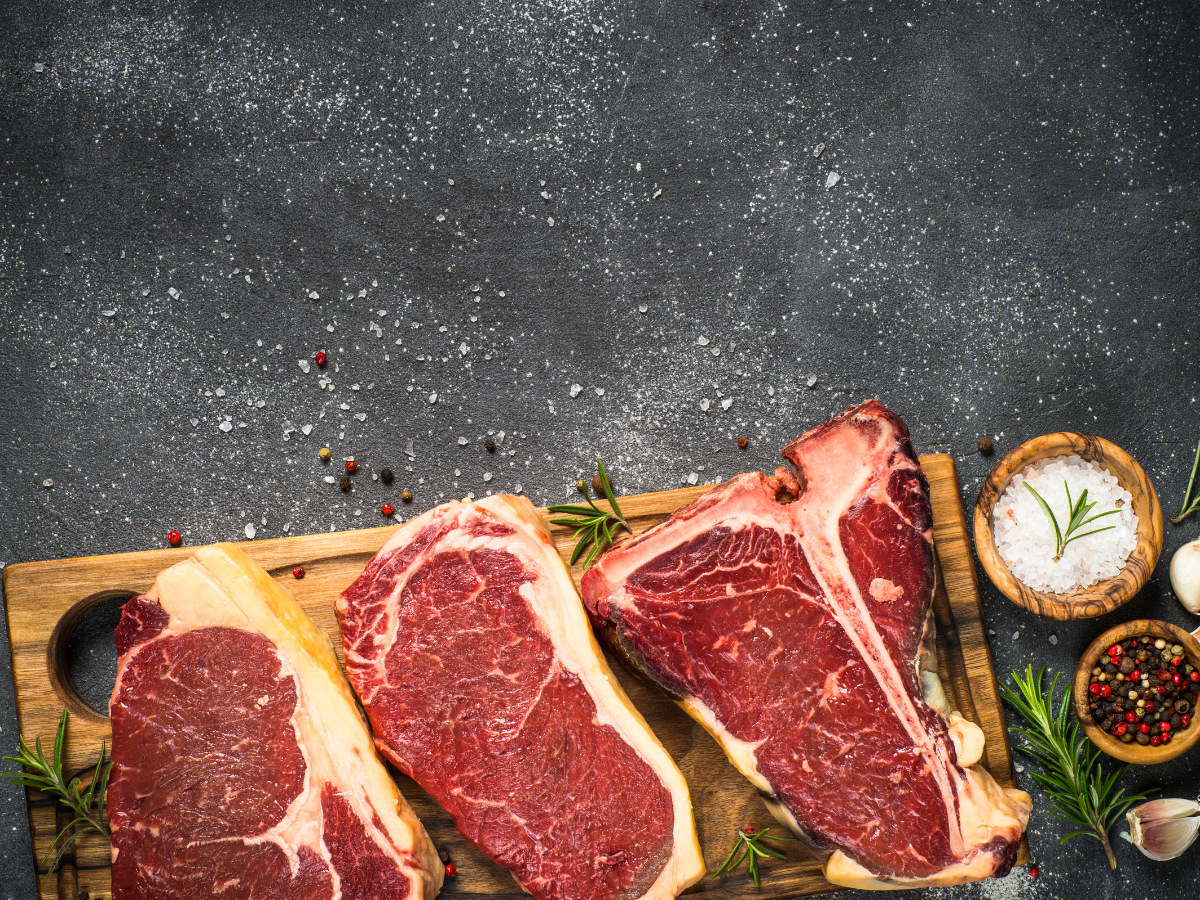 Imported vs Local Beef: What Is the Difference?
The main differences between imported and local beef can be seen in the origin of the cattle, meat characteristics, distribution process, available cuts, and product specifications.
Local beef comes from cattle raised and processed domestically. It is commonly distributed through local supply chains and is widely used in Indonesian restaurants and culinary businesses.
Imported beef, on the other hand, comes from international producers such as Australia or New Zealand and goes through an import and distribution process before reaching restaurants, hotels, or food businesses.
When comparing Imported vs Local Beef, the country of origin should not be the only factor used to determine quality. Proper handling, temperature control, storage, and distribution can have a significant impact on the condition of the meat when it reaches the customer.
Characteristics of Local Beef
Local beef is commonly used for Indonesian dishes and can be suitable for a wide range of applications, including traditional dishes, meatballs, soups, stir-fries, and selected steak menus.
One advantage is its integration into the domestic supply chain. However, the quality of local beef can vary depending on cattle breed, age, feeding practices, slaughtering methods, and post-processing handling.
For this reason, businesses looking for a reliable Beef Supplier Jakarta should evaluate not only the product itself but also the supplier's ability to maintain consistent quality and delivery.
Characteristics of Imported Beef
Imported beef is often selected by businesses looking for specific grades, cuts, or more consistent product specifications. Certain imported products are particularly suitable for steak, BBQ, grilling, shabu-shabu, and premium restaurant concepts.
One important consideration when discussing Imported vs Local Beef is product consistency. Restaurants that require specific marbling, portion sizes, thickness, or cut specifications may benefit from the wider range of imported beef products available in the market.
Which Is Better for a Culinary Business?
There is no universal winner when comparing Imported vs Local Beef. The better option depends on the restaurant concept, menu requirements, target customers, and food-cost strategy.
A business focused on high-volume dishes and cost efficiency may find local beef more practical. Meanwhile, steak houses, premium restaurants, and grill concepts may prefer imported beef because of its available grades, cuts, and specific characteristics.
Several factors should be considered:
- Menu requirements: Different cooking methods require different beef characteristics.
- Food cost: The purchase price needs to support the restaurant's overall food-cost target.
- Consistency: Consistent specifications are important for standardized recipes.
- Supply availability: Restaurants need suppliers that can maintain regular stock.
- Cut selection: The cut should match the preparation method and menu concept.
- Cold-chain management: Proper storage and transportation help preserve product quality.
Therefore, the Imported vs Local Beef decision should not simply focus on finding the cheapest product. The goal should be finding the product that provides the best overall value for the business.
Imported vs Local Beef: Key Factors to Compare
Understanding the key differences between Imported vs Local Beef can help business owners make a more informed purchasing decision.
Price is one of the most obvious considerations. Local beef may be more attractive for certain applications because it does not involve international import processes. However, the final price can also depend on beef grade, cut, specifications, purchase volume, and market conditions.
Quality is another important factor. Both local and imported beef can offer excellent quality. Characteristics such as marbling, tenderness, fat distribution, cattle age, processing, and aging can have a greater impact on the eating experience than origin alone.
Supply consistency is equally important for restaurants. High-quality beef does not provide much business value if the product is difficult to source consistently or does not meet the same specifications from one delivery to another.
For businesses that want to explore the differences further, Imported and Local Beef Options can be a useful starting point for understanding available products and supplier options.
How to Choose a Beef Supplier in Jakarta
After understanding Imported vs Local Beef, the next step is finding a supplier that can support your business requirements consistently.
A professional supplier should offer more than a wide selection of beef products. They should understand restaurant requirements, provide clear product specifications, maintain proper storage conditions, and support consistent deliveries.
For restaurants and culinary businesses, working with a reliable Beef Supplier Jakarta can help reduce the risk of inconsistent product quality, stock shortages, and operational disruptions.
Happy Farm Jakarta provides beef and other food products for culinary businesses with different purchasing requirements. Product selection can be adjusted based on menu type, purchasing volume, quality standards, and business needs.
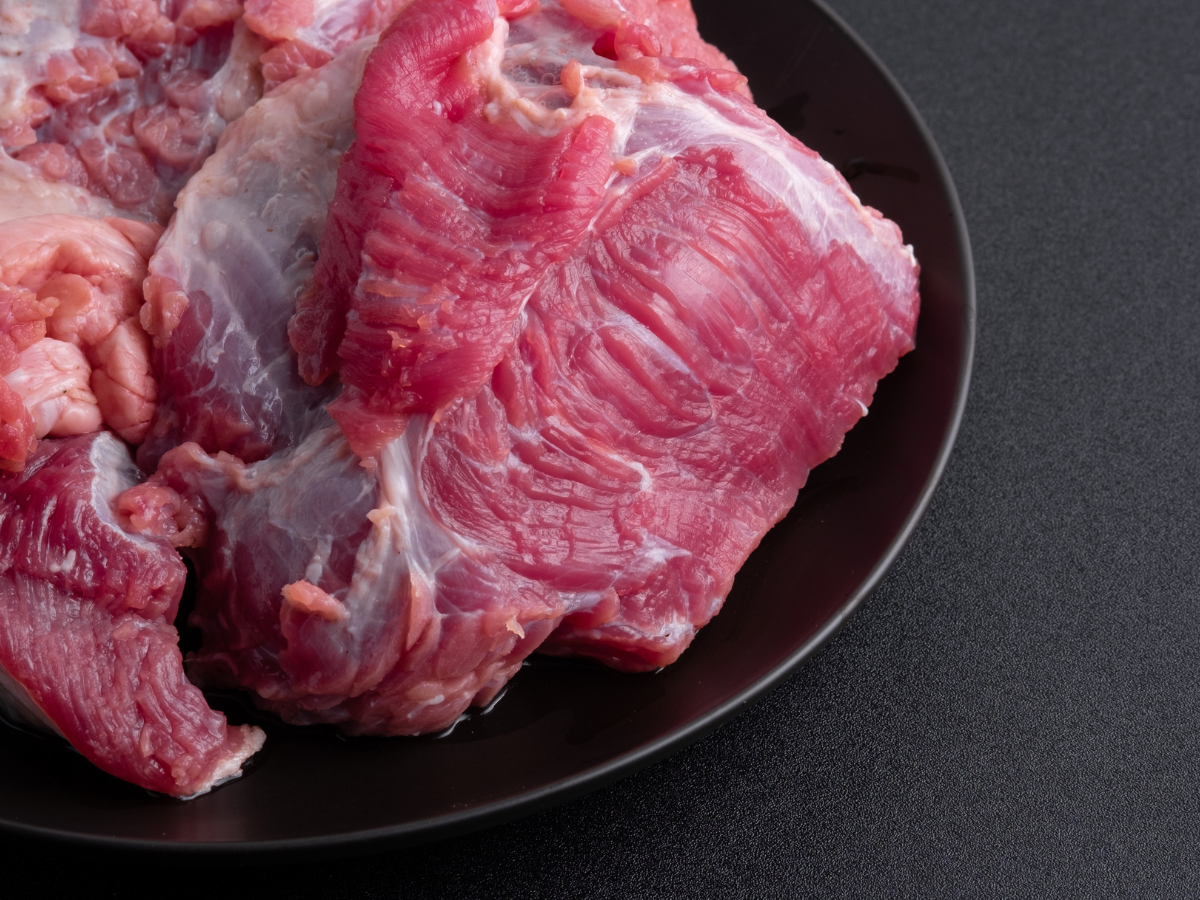 Imported or Local Beef: Choose Based on Your Business Needs
Ultimately, the Imported vs Local Beef discussion is not about declaring one option the universal winner. Both can provide excellent results when selected according to the right business requirements.
Local beef can be a practical choice for businesses that prioritize cost efficiency, domestic supply, and high-volume culinary applications. Imported beef may be more suitable when a business requires specific grades, cuts, marbling characteristics, or consistent product specifications.
The most important consideration is whether the supplier can consistently deliver the quality and specifications your business needs.
Conclusion
Understanding Imported vs Local Beef allows restaurant and culinary business owners to make purchasing decisions based on actual operational requirements rather than assumptions about whether imported or local beef is automatically better.
Both options can deliver excellent results when the product is selected correctly and handled through a reliable supply chain. For this reason, partnering with a professional Beef Supplier Jakarta can become an important part of maintaining consistent food quality and restaurant operations.
Looking for reliable beef supplies for your restaurant, hotel, catering business, or culinary operation in Jakarta? Contact Happy Farm Jakarta to discuss your product requirements and find beef options that match your business needs.
Beef for Steak: Tenderloin, Sirloin, Ribeye and Other Cuts
Choosing the right beef for steak is one of the most important factors in creating a steak with the right flavor, tenderness, texture, and overall quality. Different beef cuts have different characteristics, so choosing the right one should depend on the restaurant concept, cooking method, and customer preferences.
Tenderloin is known for its tenderness, sirloin offers a stronger beef flavor, while ribeye is recognized for its marbling and juicy texture. Beyond these popular cuts, there are several other options that can be used as beef for steak to create a more diverse restaurant menu.
For restaurants, hotels, steakhouses, and culinary businesses, product quality should also be supported by a consistent supply. Working with a beef supplier for restaurant needs in Jakarta can therefore become an important part of the procurement process.
 Why Choosing the Right Beef for Steak Matters
The quality of beef for steak has a direct impact on the final result after cooking. Differences in muscle fibers, fat content, marbling, and thickness can create completely different steak experiences.
Beef with higher marbling can provide a richer flavor and juicier texture. Meanwhile, leaner cuts can offer a cleaner beef flavor and a different mouthfeel.
For restaurants, consistency is equally important. Using beef for steak with consistent specifications can help kitchen teams maintain portion sizes, cooking times, and desired levels of doneness.
The right cut should therefore be selected based not only on price but also on how it will be prepared and served.
1. Tenderloin: A Very Tender Beef for Steak Cut
Tenderloin is one of the most popular choices of beef for steak because of its exceptionally tender texture. This cut comes from an area of the animal that is not heavily used for muscle activity, resulting in relatively fine and soft muscle fibers.
Tenderloin generally contains less fat than ribeye. Its flavor tends to be more subtle, while tenderness is its main characteristic.
This cut is commonly used for dishes such as filet mignon. Tenderloin is often prepared at medium rare to medium to preserve its delicate texture.
For restaurants that want to offer a premium steak focused on tenderness, tenderloin can be an excellent choice of beef for steak.
2. Sirloin: A Balance of Flavor and Texture
Sirloin is another popular type of beef for steak because it offers a practical balance between flavor, texture, and price. Compared with tenderloin, sirloin generally has a more pronounced beef flavor.
Sirloin can have a layer of external fat that contributes additional flavor when the steak is grilled or pan-seared. This characteristic makes it suitable for a variety of restaurant menus.
Sirloin can be served with pepper sauce, mushroom sauce, butter-based sauces, or other steak accompaniments.
For culinary businesses looking for beef for steak with a strong beef character and flexible applications, sirloin is a practical option.
3. Ribeye: Marbled Beef for Steak with Rich Flavor
Ribeye is one of the most popular choices of beef for steak, particularly among customers who enjoy rich flavor and a juicy texture.
Its defining characteristic is marbling, or intramuscular fat distributed throughout the meat. During cooking, the fat contributes to the steak's flavor and helps create a juicy eating experience.
Ribeye can be prepared using grilling, pan-searing, or reverse-searing techniques. The cooking method can be adjusted according to the thickness of the steak and the desired level of doneness.
When selecting beef for steak, ribeye can be considered when rich flavor, marbling, and juiciness are important parts of the menu.
4. Striploin: Beef for Steak with a Stronger Flavor
Striploin, also known as strip steak, is a popular beef for steak cut that provides a balance between tenderness and a pronounced beef flavor.
This cut commonly has a layer of fat along one side. When exposed to heat, the fat can contribute additional aroma and flavor to the steak.
Striploin can be suitable for restaurants that want to offer a steak with a strong beef character while maintaining relatively good tenderness.
Proper cooking is important because overcooking can make striploin firmer and less enjoyable.
5. T-Bone: Two Beef Cuts in One Steak
T-Bone is a distinctive beef for steak cut featuring a T-shaped bone. One steak can contain two different sections: tenderloin and striploin, separated by the bone.
This combination gives customers two different textures and flavor characteristics in one serving. The tenderloin side is generally softer, while the striploin side provides a stronger beef flavor.
T-Bone can also create an attractive presentation for restaurants that want to offer a premium-looking steak menu.
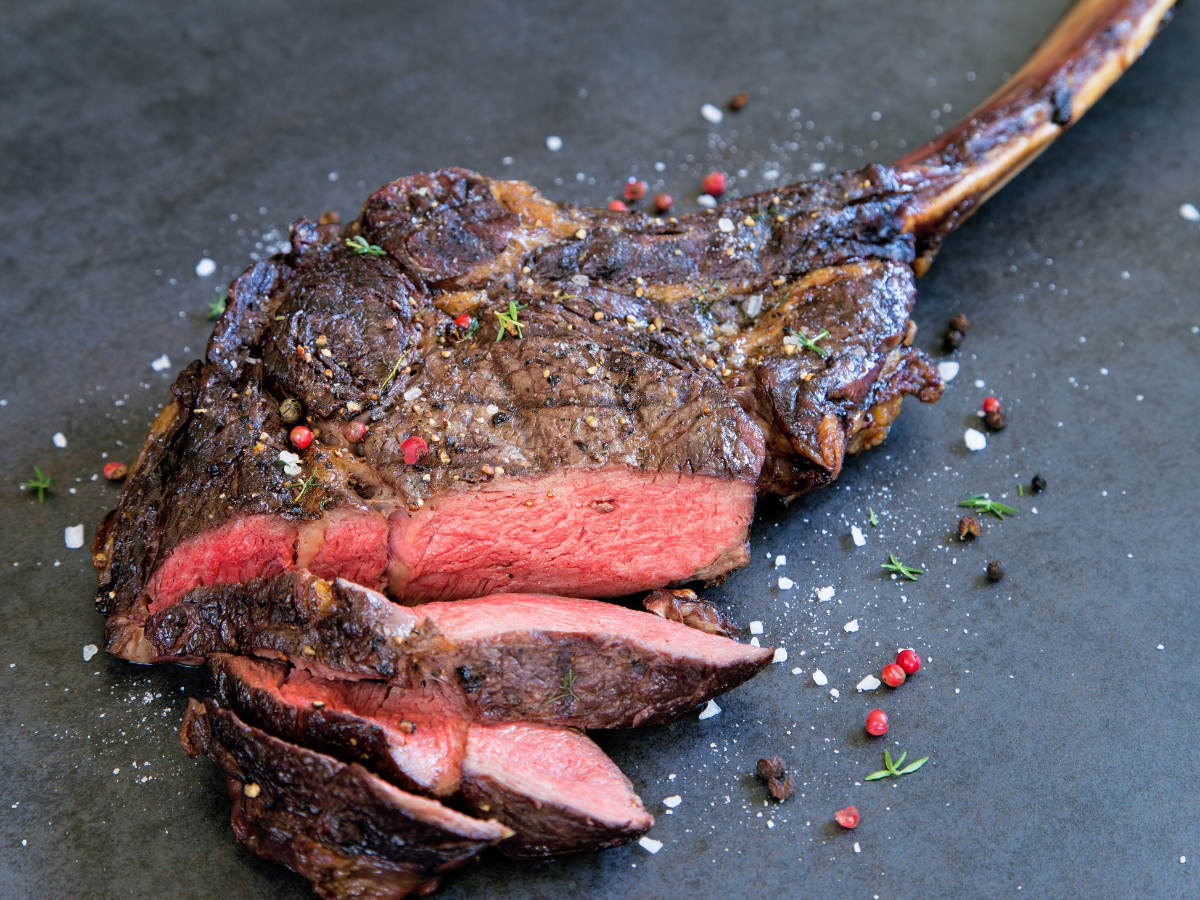
6. Tomahawk: Large Beef for Steak with Premium Presentation
Tomahawk is a large beef for steak cut from the rib section, with a long bone left attached. Its distinctive appearance makes it a popular option for premium menus and sharing dishes.
Because of its size and thickness, tomahawk requires careful temperature control. The goal is to achieve the desired internal doneness without overcooking the exterior.
For restaurants looking to create a signature steak menu, tomahawk can be an attractive choice of beef for steak because of its size and visual presentation.
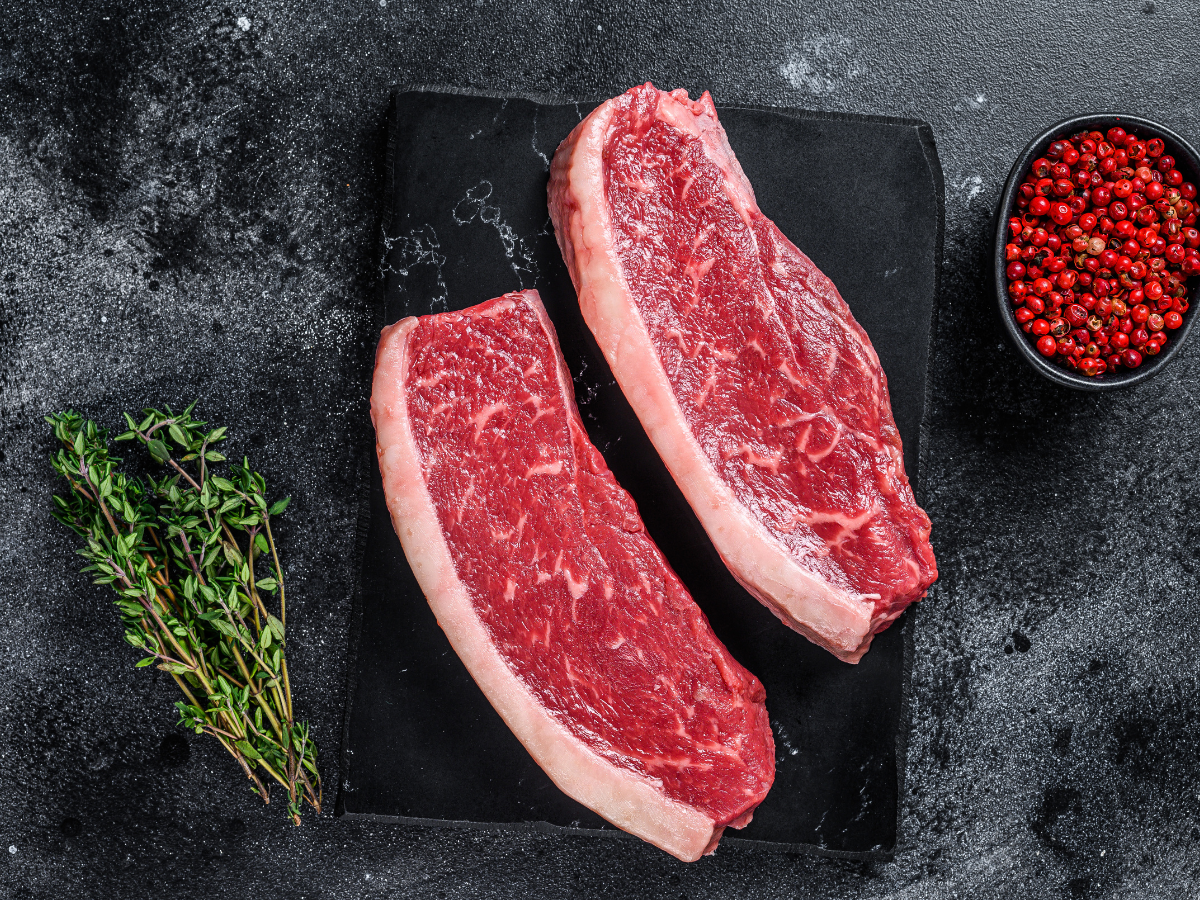
7. Picanha: Beef for Steak with a Distinctive Fat Cap
Picanha is another interesting option when choosing beef for steak. Its most recognizable feature is the thick layer of fat on the top of the cut.
When grilled, the fat cap can contribute a rich and savory flavor. Picanha also provides a different texture compared with tenderloin or ribeye.
For restaurants looking to introduce a different grilled beef experience, picanha can be a valuable addition to the menu.
How to Choose Beef for Steak
Choosing beef for steak should not be based only on the name of the cut. Restaurants should also consider marbling, thickness, cooking method, menu concept, and customer preferences.
Consider the Marbling of Beef for Steak
Marbling is one of the characteristics that can influence the quality and eating experience of beef for steak. Intramuscular fat is distributed between the muscle fibers and can contribute to flavor and juiciness.
The ideal amount of marbling depends on the type of steak being prepared. A ribeye may benefit from more visible marbling, while a tenderloin is valued more for its tenderness.
Restaurants should therefore select beef for steak according to the characteristics they want to highlight in each menu item.
Choose the Right Thickness of Beef for Steak
The thickness of beef for steak affects cooking time and temperature control. Thicker cuts require more careful preparation to achieve the desired internal temperature without excessively cooking the exterior.
For restaurant operations, establishing a consistent steak thickness can make the cooking process more predictable.
Consistent specifications also help kitchen teams maintain similar results across different orders.
Match the Beef for Steak with the Menu Concept
Different cuts can serve different purposes. Tenderloin works well for menus focused on tenderness, while ribeye is suitable for customers who prefer rich flavor and marbling.
Sirloin and striploin can offer more flexibility, while tomahawk and T-Bone can be used for premium or sharing menus.
By defining the desired characteristics of each dish, selecting beef for steak becomes more efficient and consistent.
Choosing a Beef Supplier for Restaurant Needs
The quality of beef for steak does not depend only on the cut itself. The supplier also plays an important role in product availability, specifications, storage conditions, and distribution.
Restaurants may need specific requirements such as cut type, weight, thickness, chilled or frozen condition, packaging, and delivery schedules.
Happy Farm Jakarta provides a variety of meat and seafood products for culinary businesses. Restaurants can explore the available options through Happy Farm Jakarta Products.
For businesses that require regular procurement, working with a beef supplier for restaurant needs in Jakarta can help support consistent product availability and specifications.
Restaurants can also learn more about Happy Farm Jakarta Beef Supplier when looking for a supplier for professional culinary operations.
Tips for Storing Beef for Steak
After purchasing beef for steak, proper storage is essential to maintain product quality.
Chilled beef should be stored under appropriate cold storage conditions, while frozen products should remain frozen and should not be repeatedly thawed and refrozen.
Restaurants should also implement the FIFO, or First In, First Out, system. Products received earlier should be used first to help manage inventory and reduce unnecessary waste.
Proper storage and handling help maintain the quality of beef for steak from delivery through preparation and cooking.
 Happy Farm Jakarta for Beef and Culinary Business Needs
Happy Farm Jakarta provides a variety of beef for steak and seafood products for restaurants, hotels, catering businesses, steakhouses, and other culinary operations.
Businesses can explore the available products through Happy Farm Jakarta Products. For the latest information and updates, businesses can also visit Happy Farm Jakarta on Instagram.
Choosing the right beef for steak and working with a reliable supplier can help restaurants maintain consistent raw material quality while supporting their daily kitchen operations.
Conclusion
Every type of beef for steak has its own characteristics. Tenderloin is recognized for its exceptional tenderness, sirloin provides a balance of flavor and texture, while ribeye stands out for its marbling and rich flavor.
Other cuts such as striploin, T-Bone, tomahawk, and picanha can also be used to create more variety on a restaurant steak menu. The right beef for steak should be selected according to the restaurant concept, target customers, cooking method, and portion standards.
For culinary businesses in Jakarta, consistent procurement is also important. Working with a supplier that can provide beef for steak according to specific requirements can help restaurants maintain menu quality while supporting efficient daily operations.
Restaurant Beef Inventory Management: How to Avoid Losses from Waste
How much beef does a restaurant actually lose every week without realizing it? Excess purchases, improper storage, inconsistent portioning, and products that remain unused for too long can quietly increase operational costs.
This is why restaurant beef inventory management should become an essential part of every restaurant's purchasing and kitchen operation. Managing beef inventory is not simply about knowing how many kilograms are available. It involves controlling how much meat is purchased, stored, prepared, used, and eventually wasted.
For restaurants that rely heavily on beef-based dishes, effective restaurant beef inventory management can have a direct impact on food costs and profitability. A well-organized inventory system allows restaurants to maintain sufficient stock without creating unnecessary excess.
 Why Restaurant Beef Inventory Management Matters
Beef is one of the ingredients that can represent a significant portion of a restaurant's food cost. When purchasing decisions are inaccurate, the financial impact can become substantial.
Buying too much beef can create excess inventory and increase the possibility of waste. On the other hand, ordering too little can cause stock shortages, especially during busy periods.
Effective restaurant beef inventory management creates a balance between availability and efficiency. Restaurants need enough inventory to serve customers consistently while avoiding unnecessary stock that may remain unused.
This becomes particularly important for restaurants offering steaks, burgers, beef bowls, yakiniku, grilled meat, or other dishes where beef is a primary ingredient.
Calculate Beef Requirements Based on Sales Data
The first step in restaurant beef inventory management is understanding actual consumption.
Instead of estimating purchasing quantities based only on experience, restaurants should analyze historical sales data. Determine how much beef is required for each menu item and compare it with the average number of portions sold.
For example, if a steak menu requires 200 grams of beef per serving and the restaurant sells an average of 50 portions per day, the theoretical daily requirement would be approximately 10 kilograms.
However, purchasing decisions should not rely exclusively on this calculation. Restaurant beef inventory management should also consider preparation losses, trimming, demand fluctuations, promotions, weekends, and delivery schedules.
The more accurate the sales data, the easier it becomes to establish an efficient purchasing system.
Apply FIFO to Reduce Beef Waste
FIFO, or First In, First Out, is an important principle in restaurant beef inventory management.
The concept is straightforward: beef that enters the storage area first should generally be prioritized for use first. This prevents older inventory from being forgotten when newer products arrive.
Every incoming product should be properly recorded, including its receiving date, product type, weight, and storage location.
Kitchen staff can then identify which inventory should be used first. This simple system can significantly reduce the possibility of older stock remaining unused.
For restaurants with high inventory turnover, combining FIFO with digital inventory records can make restaurant beef inventory management much more accurate and easier to monitor.
Separate Inventory Based on Beef Cuts and Menu Requirements
Not all beef products have the same purpose. A restaurant may use tenderloin for premium steaks, minced beef for burgers, and different cuts for grilled or cooked dishes.
Therefore, restaurant beef inventory management should not only record total beef weight. Inventory should be categorized according to cut, specification, size, and intended menu.
This allows purchasing and kitchen teams to see exactly what is available.
For example, having 30 kilograms of total beef does not necessarily mean the restaurant has enough stock for every menu. If most of that inventory consists of cuts intended for one particular dish, other menu categories could still experience shortages.
Detailed categorization makes restaurant beef inventory management more practical and prevents unnecessary purchases.
Adjust Purchasing According to Sales Forecasts
Sales forecasting is another important component of restaurant beef inventory management.
Restaurants often have predictable demand patterns. Weekends may generate higher sales, while weekdays may have lower demand. Promotional campaigns, holidays, events, and seasonal tourism can also influence consumption.
Suppose a restaurant consistently sells 30% more steak portions every Friday and Saturday. Purchasing quantities should reflect this pattern instead of using the same order volume every day.
By connecting sales forecasts with purchasing schedules, restaurant beef inventory management becomes more proactive.
The goal is not to maintain the largest possible inventory. The goal is to maintain the right inventory at the right time.
Work with a Supplier That Supports Inventory Efficiency
Supplier selection also plays an important role in restaurant beef inventory management.
A supplier should provide more than competitive pricing. Product consistency, specifications, delivery reliability, availability, and order flexibility can all influence how efficiently a restaurant manages its inventory.
If a restaurant can receive beef according to its actual operational requirements, it may be able to reduce unnecessary stock levels.
Working with a Jakarta beef supplier that supports inventory efficiency can therefore become part of a broader purchasing strategy.
Happy Farm Jakarta is one option for restaurants and culinary businesses looking for beef supply support in Jakarta. Having a reliable supplier can make it easier for restaurant operators to maintain consistent product availability while keeping purchasing decisions aligned with actual demand.
In an effective restaurant beef inventory management system, supplier performance should also be monitored. Delivery accuracy, product consistency, and order fulfillment can all be included in the evaluation.
Conduct Regular Stock Counts
Even with a good purchasing system, inventory records can become inaccurate if physical stock is not checked regularly.
This is why regular stock counting is an important part of restaurant beef inventory management.
Compare the physical quantity in the freezer or cold storage area with the inventory records. If there is a difference, investigate the reason.
Stock discrepancies can occur because of unrecorded usage, preparation losses, trimming, damaged products, incorrect weighing, or input errors.
Regular stock counts help restaurant managers identify these problems before they become significant financial losses.
 Track Waste Instead of Only Tracking Inventory
One common mistake in restaurant beef inventory management is focusing exclusively on how much beef is purchased and how much remains.
Restaurants should also track how much beef is being wasted.
Record why products are discarded. Common causes may include:
- Expired or outdated inventory
- Improper storage
- Damaged packaging
- Excessive trimming
- Incorrect preparation
- Overproduction
- Portioning mistakes
- Products that do not meet quality standards
Once the main source of waste has been identified, management can take targeted action.
If most waste comes from excess inventory, purchasing frequency may need to be adjusted. If trimming creates excessive losses, the kitchen's cutting procedures may need to be reviewed.
This makes restaurant beef inventory management a continuous improvement process rather than simply an administrative task.
Connect Inventory with Kitchen Operations
For restaurants looking to improve efficiency further, restaurant beef inventory management should be connected with purchasing, recipes, sales, and food-cost monitoring.
Each menu should have a standardized recipe with clearly defined beef portions.
For example, if one burger uses 150 grams of beef and the restaurant sells 100 burgers, theoretical consumption should be approximately 15 kilograms.
Management can then compare theoretical consumption with actual usage.
If actual consumption is significantly higher, there may be an operational issue that needs investigation. It could indicate inconsistent portioning, excessive waste, preparation losses, or unrecorded usage.
This approach transforms restaurant beef inventory management from a basic stock-counting activity into a data-driven operational system.
Build a More Efficient Beef Inventory System
The most effective restaurant beef inventory management strategy combines several elements: accurate purchasing, sales forecasting, proper storage, FIFO implementation, standardized recipes, regular stock counts, and waste tracking.
Restaurants should also establish clear responsibilities between purchasing teams, warehouse staff, kitchen personnel, and management.
When every department uses the same inventory data, purchasing decisions become more accurate and operational waste becomes easier to identify.
A reliable supplier can further strengthen the system by providing consistent product specifications and dependable delivery schedules.
Conclusion
Effective restaurant beef inventory management is not about keeping as much beef as possible in storage. It is about maintaining enough inventory to support daily operations while minimizing unnecessary waste.
Restaurants can begin by calculating beef requirements based on actual sales, applying FIFO, separating inventory by cut and menu requirements, forecasting demand, conducting regular stock counts, and recording every significant source of waste.
Supplier selection should also be treated as part of the inventory strategy. A dependable supplier such as Happy Farm Jakarta can help restaurants maintain consistent beef availability while making purchasing decisions more aligned with operational requirements.
Ultimately, strong restaurant beef inventory management can help restaurants control food costs, reduce waste, maintain product quality, and create a more predictable purchasing system. The result is not simply a better-organized storage area, but a more efficient and profitable restaurant operation.
Understanding Beef Grades and Halal-NKV Standards: A Smart Guide Before Buying from a Jakarta Beef Supplier
Beef Grades - Buying beef is not only about choosing meat that looks red and fresh. For households, restaurants, catering businesses, hotels, food retailers, and meat-processing businesses, it is important to understand beef quality, food safety, and product traceability before making a purchase. One key term worth knowing is Beef Grades, which refers to the way beef quality is assessed based on characteristics such as marbling, texture, tenderness, and overall meat condition.
For food businesses, this knowledge can help control ingredient costs while maintaining consistent flavor and product quality. Happy Farm Jakarta supports customers who need beef products that match their menu requirements, with attention to proper product handling, halal considerations, and food-safety standards.
What Are Beef Grades?
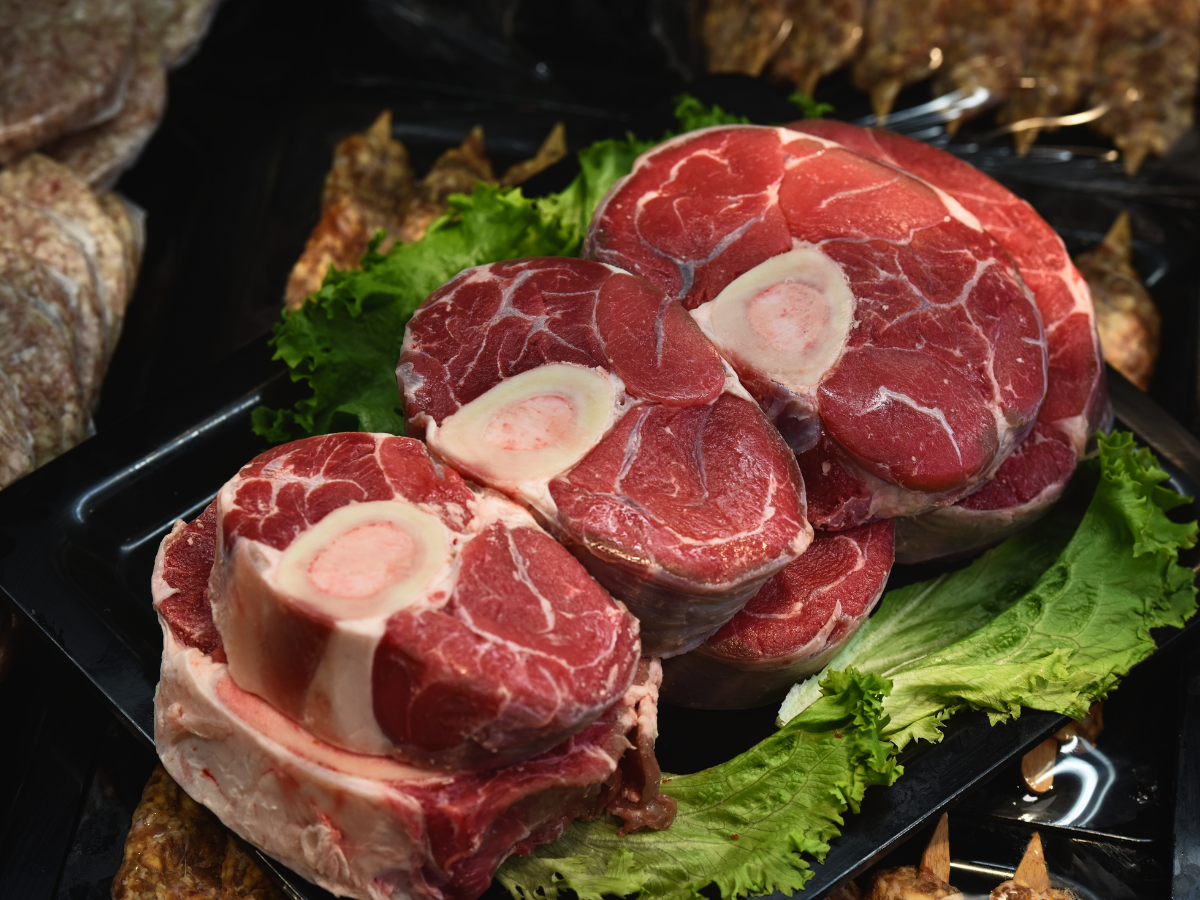
Beef Grades are quality classifications used to describe the characteristics of beef. These classifications may consider factors such as intramuscular fat, meat color, texture, maturity of the animal, and carcass quality. In practical terms, Beef Grades help buyers understand whether a particular cut is better suited for premium grilling, slow cooking, everyday meals, or processed products.
Beef Grades are often associated with marbling. Marbling refers to the thin white fat distributed between muscle fibers. When cooked, this fat melts gradually and can create a richer flavor, softer texture, and juicier eating experience. However, more marbling does not always mean a better choice for every dish.
Different recipes require different beef characteristics. Steak generally benefits from tender meat with balanced marbling. In contrast, dishes such as rendang, beef stew, soup, braised beef, and curry can use cuts with a firmer structure because they are cooked for a longer time. Choosing Beef Grades based on the intended dish can improve both taste and cost efficiency.
Why Beef Grades Matter for Buyers
Understanding Beef Grades helps buyers avoid choosing meat based only on appearance or price. A cut may be high quality, but it will not necessarily deliver the best result if it is used with the wrong cooking method.
For steak menus, beef with a tender texture and suitable marbling is usually preferred. Cuts such as ribeye, striploin, and tenderloin are commonly selected for grilling or pan-searing because of their natural tenderness. Still, the final result depends not only on Beef Grades, but also on slicing thickness, storage conditions, cooking temperature, and level of doneness.
For restaurants and catering businesses, knowing Beef Grades is also useful for maintaining consistency. Customers expect a steak ordered today to have a similar taste and texture when they order the same menu again. When business owners understand the quality profile of their beef, they can build more reliable purchasing standards and reduce variation between deliveries.
Happy Farm Jakarta can assist customers in selecting beef according to their cooking needs, menu concept, and purchasing volume. This matters because the needs of a steakhouse, a catering kitchen, a home cook, and a meatball producer are not the same.
Understanding Marbling in Beef Grades
Marbling is one of the most discussed elements when talking about Beef Grades. The fine fat found within the meat melts during cooking and contributes to moisture, aroma, tenderness, and savory flavor.
Beef with good marbling is often suitable for fast cooking methods that use high heat, including steak, barbecue, yakiniku, shabu-shabu, and pan-seared dishes. As the fat melts, it naturally bastes the meat from within and produces a juicy texture without requiring excessive oil or heavy sauces.
However, buyers should still consider the final recipe. For dishes made with coconut milk, strong stock, thick sauces, or heavy spices, overly fatty beef may make the overall flavor feel too rich. Leaner cuts can provide a more balanced result in these preparations.
Therefore, Beef Grades should be seen as a practical purchasing guide rather than a prestige label. The best beef is not always the most expensive or the most heavily marbled option. It is the beef that fits the recipe, cooking technique, customer preference, and budget.
Beef Grades Are Different from Beef Cuts
Many buyers confuse Beef Grades with beef cuts, even though they describe different things. Beef Grades refer to the quality and characteristics of the meat, while a beef cut refers to the anatomical section of the animal where the meat comes from.
Ribeye, for example, is a cut taken from the rib area and is often known for its flavorful fat distribution. Tenderloin comes from a less-active muscle area, which is why it is widely known for tenderness. Shank, round, and other leg cuts have a denser muscle structure and are generally more suitable for soups, braises, curries, and slow-cooked dishes.
The same cut can have different quality characteristics depending on the animal’s age, breed, feeding system, handling process, and post-slaughter storage. For that reason, when buying from a Jakarta beef supplier, customers should ask more than simply, “Do you have ribeye?”
Ask about the origin of the meat, whether it is fresh or frozen, the slice thickness, packaging method, storage condition, and recommended cooking application. Happy Farm Jakarta encourages customers to make informed decisions so they can purchase beef that truly fits their needs.
The Importance of Halal Beef Standards
Beyond Beef Grades, halal assurance is an important consideration for many consumers in Indonesia. Halal beef is not limited to the slaughtering process. It also involves responsible handling after slaughter to reduce the risk of cross-contamination and to preserve the integrity of the product.
A reliable meat supply chain should be properly managed from the farm or livestock source to the slaughterhouse, packaging area, cold storage facility, delivery process, and final customer. Clean equipment, separate storage systems, and proper handling procedures all play a role in maintaining product quality and halal confidence.
For food businesses, halal assurance is closely linked to customer trust. Restaurants, catering companies, and home-based food businesses need to understand where their ingredients come from and how they are handled. This is not only about responding to consumer demand; it is also about maintaining a responsible and trustworthy business operation.
Happy Farm Jakarta understands that customers value beef products with transparent sourcing and careful handling. Before making a purchase, buyers should feel comfortable asking suppliers for relevant product information and supporting documentation when needed.
Understanding the Role of NKV in Beef Safety
NKV, or Veterinary Control Number, is another factor worth considering when selecting a Jakarta beef supplier. NKV is associated with hygiene and sanitation requirements for businesses that handle animal-origin food products.
NKV does not determine Beef Grades. However, it supports food safety by encouraging proper hygiene, sanitation, storage, and handling practices. Even premium beef can lose quality if it is stored at the wrong temperature, packed carelessly, or delivered without proper cold-chain control.
When receiving beef products, customers should inspect the packaging and product condition. The packaging should be clean, sealed, and free from damage. The meat should not have an unpleasant odor or unusual discoloration. Useful product information, such as net weight, cut type, packaging date, and storage instructions, should also be clearly available.
For culinary businesses, choosing a supplier with organized distribution practices can make daily operations more efficient. Better product handling helps reduce waste, maintain stock quality, and support consistent flavor across menu items.
How to Choose a Jakarta Beef Supplier
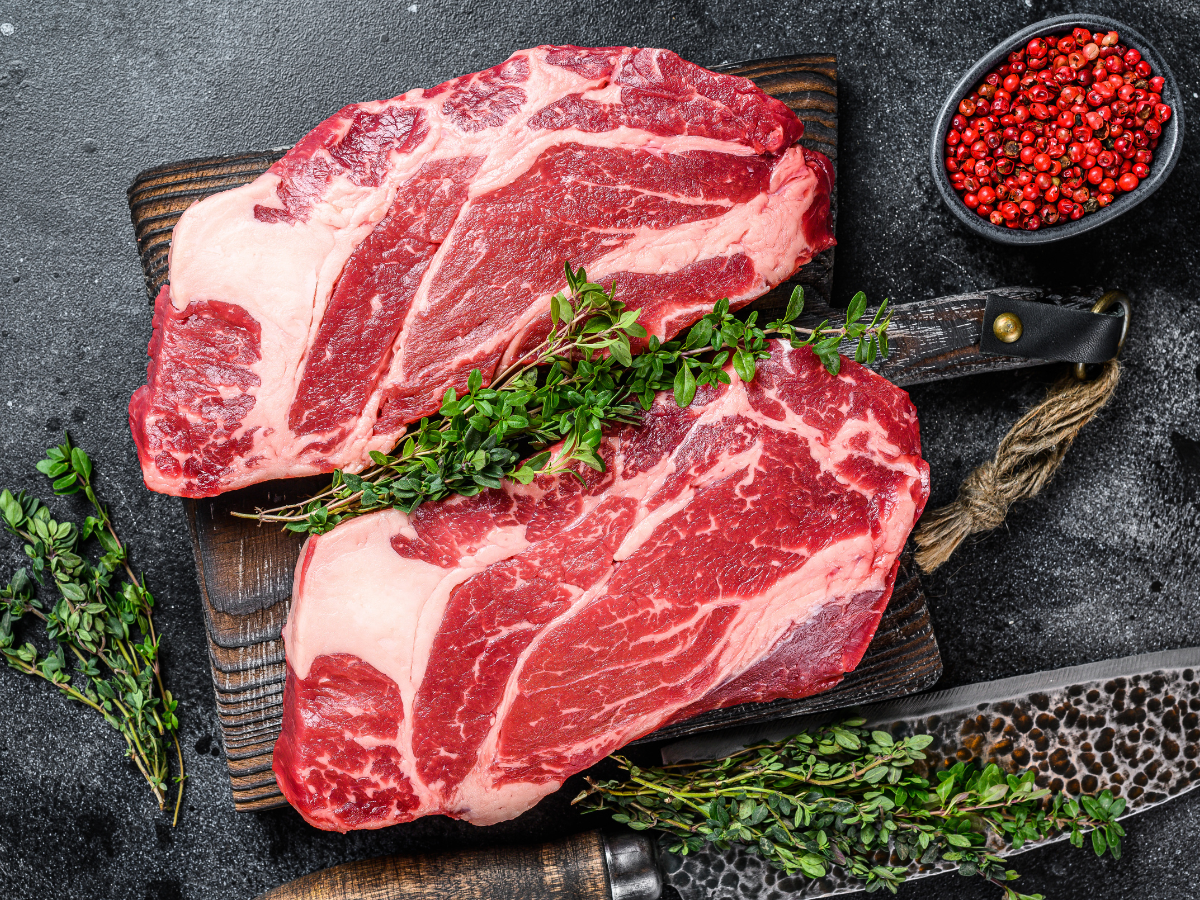
Jakarta offers many beef suppliers, so buyers should be selective before deciding on a long-term purchasing partner. Start by identifying your main requirement. Do you need Beef Grades for premium steaks, daily home cooking, catering production, meatball manufacturing, or traditional Indonesian dishes?
Next, pay attention to product consistency. For a business, beef that remains consistent in portion size, cut style, color, fat content, and storage condition is often more valuable than occasional purchases of premium meat. Consistency helps kitchen teams manage recipes, cooking times, portion control, and food costs more effectively.
It is also important to ask about delivery and cold-chain handling. Beef should be transported under appropriate temperature conditions to maintain freshness and product quality. This is especially relevant in Jakarta, where traffic conditions and warm weather can affect delivery performance if the cold chain is not properly maintained.
Finally, choose a supplier that communicates clearly. A good supplier does not only take orders; they should also be able to explain product options, recommend suitable cuts, clarify minimum order requirements, and provide proper storage guidance. Happy Farm Jakarta can support a wide range of customer needs, from household purchases to regular business supply.
Choose the Right Beef with Happy Farm Jakarta
Understanding Beef Grades, halal standards, and NKV considerations makes beef purchasing safer, smarter, and more efficient. Instead of selecting products only by price or by a premium-sounding cut name, buyers can make decisions based on their cooking needs and quality expectations.
For steak and grilling, choose beef with tenderness and marbling that match the desired dining experience. For rendang, braised dishes, soups, and stews, choose cuts with a stronger muscle structure that can become tender through slow cooking. For meatballs and ground-beef products, select fresh meat with a fat ratio that supports your production formula.
Happy Farm Jakarta is a Jakarta beef supplier that understands the importance of suitable product selection, responsible handling, and customer-specific needs. By learning more about Beef Grades, buyers can serve beef dishes that are flavorful, reliable, safe to handle, and aligned with the expectations of their families or customers.
How to Choose a Beef Supplier: A Complete Guide to Sourcing High-Quality Meat for Your Food Business
How to Choose a Beef Supplier - Selecting the right meat supplier is one of the most important decisions for any food business. Whether you own a restaurant, café, hotel, catering company, or butcher shop, the quality of your dishes depends heavily on the quality of the ingredients you use. Understanding How to Choose a Beef Supplier is essential for maintaining consistent food quality, improving customer satisfaction, and building a successful business in the long run.
As competition in the food service industry continues to grow, customers have become more selective about the meals they purchase. Premium beef with excellent freshness, proper handling, and consistent quality not only enhances flavor but also strengthens your brand reputation. On the other hand, working with an unreliable supplier can lead to inconsistent product quality, delayed deliveries, and dissatisfied customers.
This guide explains How to Choose a Beef Supplier step by step, helping you make informed purchasing decisions while introducing Happy Farm Jakarta as a trusted partner for premium-quality beef supplies.
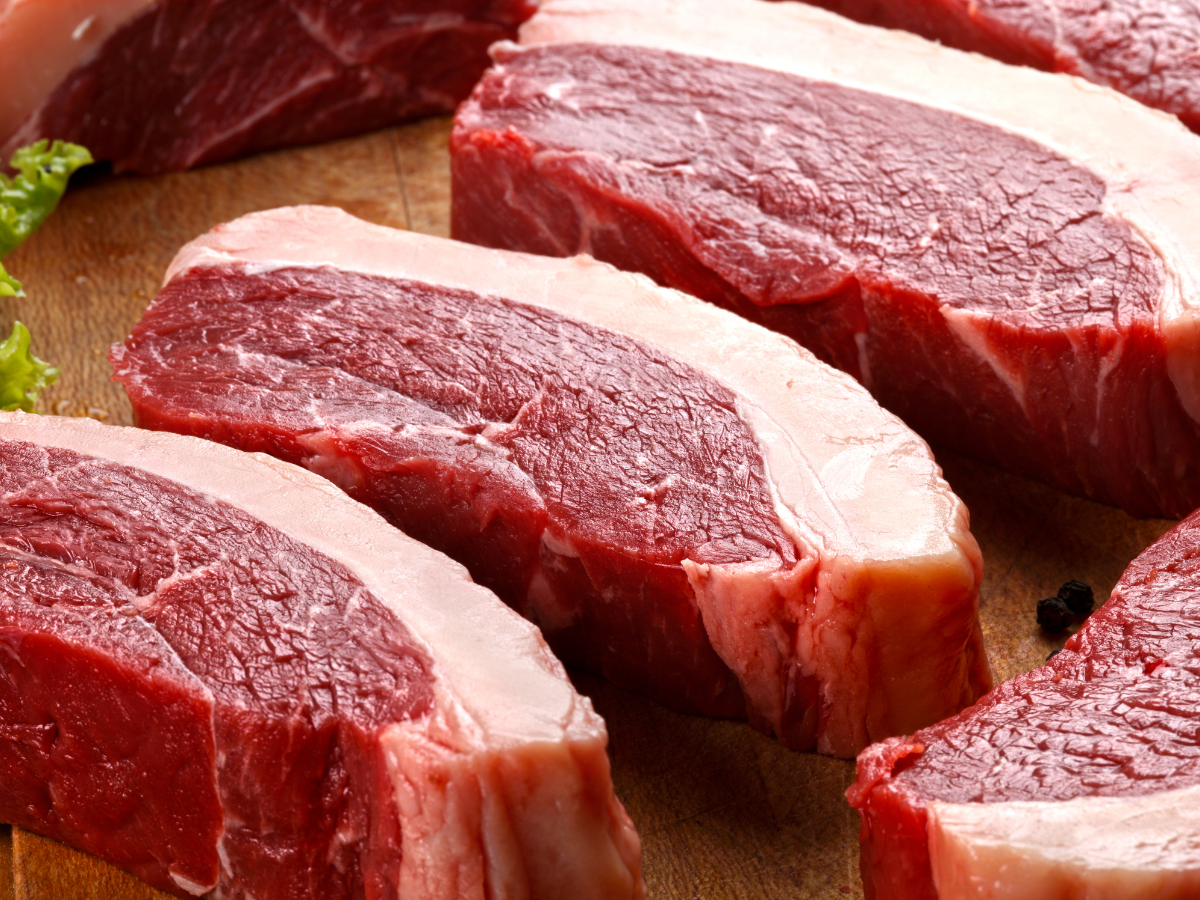
Why Learning How to Choose a Beef Supplier Matters
Many business owners focus primarily on finding the lowest price when purchasing beef. However, How to Choose a Beef Supplier involves much more than comparing prices. A reliable supplier should consistently deliver fresh products, maintain food safety standards, provide dependable logistics, and support your business with professional service.
Choosing the right supplier reduces operational risks while ensuring your menu remains consistent every day. It also helps minimize food waste, improve kitchen efficiency, and maintain customer trust.
Understanding How to Choose a Beef Supplier from the beginning allows your business to build a stable supply chain that supports long-term growth.
Evaluate Beef Quality and Freshness
The first step in How to Choose a Beef Supplier is carefully evaluating the quality of the beef.
Fresh beef should have a bright red color, a firm texture, a natural smell, and minimal excess moisture. Quality meat should never appear slimy or have an unpleasant odor.
Professional suppliers also maintain strict cold chain management throughout storage and transportation to preserve freshness.
When inspecting beef, consider the following factors:
- Bright and natural red color
- Firm and elastic texture
- Fresh, clean aroma
- Hygienic packaging
- Proper product labeling
- Clear production and expiration information
An important part of How to Choose a Beef Supplier is requesting product samples before placing large-volume orders. Sampling allows you to evaluate consistency and determine whether the supplier meets your quality expectations.
Verify Food Safety Standards
Food safety should always be a priority when learning How to Choose a Beef Supplier.
A professional supplier follows strict hygiene procedures during processing, storage, packaging, and transportation. Proper handling reduces contamination risks while ensuring every shipment arrives in excellent condition.
Ask suppliers about their storage temperatures, packaging methods, and transportation systems. Reliable suppliers are transparent about their quality control procedures because they understand the importance of food safety.
Businesses that prioritize customer satisfaction should never compromise on food safety when applying How to Choose a Beef Supplier.
Choose a Supplier with a Wide Product Selection
Another essential aspect of How to Choose a Beef Supplier is selecting a supplier that offers a comprehensive range of beef cuts.
Different food businesses require different products. Steakhouses may need tenderloin, ribeye, or sirloin, while Japanese restaurants often require short plate, brisket, or thinly sliced beef. Hotels and catering companies may require multiple premium and standard cuts simultaneously.
Working with a supplier that provides a complete product range simplifies purchasing and inventory management. Instead of sourcing products from multiple vendors, you can streamline procurement through a single trusted partner.
This approach saves time, improves consistency, and reduces administrative work.
Ensure Consistent Product Availability
Reliable inventory management is another critical factor in How to Choose a Beef Supplier.
Running out of beef during peak business hours can significantly impact sales and customer satisfaction. Your supplier should be capable of maintaining consistent stock levels throughout the year, even during periods of increased demand.
Ask potential suppliers about their inventory capacity, sourcing network, and backup supply plans. Suppliers with strong procurement systems are better equipped to handle fluctuations in demand without compromising quality.
Consistency is just as important as quality when mastering How to Choose a Beef Supplier.
Assess Delivery and Distribution Capabilities
Even premium-quality beef can lose its value if it is not delivered properly.
A key part of How to Choose a Beef Supplier is evaluating the supplier's logistics and distribution system. Refrigerated transportation and strict temperature control are essential for preserving meat quality throughout delivery.
Reliable suppliers also provide punctual deliveries, helping restaurants and commercial kitchens operate without interruptions. Timely deliveries reduce the need for excessive inventory storage while ensuring fresh ingredients are always available.
Businesses that depend on daily operations should prioritize suppliers with proven logistics capabilities.
Research the Supplier's Reputation
Before signing any agreement, spend time researching the supplier's reputation.
An important principle of How to Choose a Beef Supplier is working with businesses that have established credibility within the food industry.
Read customer reviews, request business references, and evaluate how long the supplier has been serving restaurants, hotels, catering companies, and food distributors.
Suppliers with strong reputations are generally more committed to maintaining quality, honoring delivery schedules, and providing excellent customer support.
Choosing a reputable supplier reduces business risks while creating a stronger foundation for long-term success.
Don't Base Your Decision on Price Alone
One of the biggest mistakes businesses make is choosing a supplier solely because they offer the lowest price. While cost is an important consideration, How to Choose a Beef Supplier should always involve evaluating the overall value rather than focusing only on price.
Extremely low prices may indicate inconsistent product quality, inadequate storage facilities, or poor handling practices. These issues can ultimately lead to food waste, dissatisfied customers, and higher operational costs.
Instead of selecting the cheapest option, compare suppliers based on several factors, including meat quality, product consistency, delivery reliability, customer service, and overall value. A dependable supplier may charge slightly more, but the long-term benefits often outweigh the initial savings.
Evaluate Customer Service and Communication
Excellent customer service is another essential component of How to Choose a Beef Supplier.
A professional supplier should act as a business partner rather than simply a product vendor. Responsive communication ensures that your orders are processed efficiently, delivery schedules are coordinated properly, and unexpected issues can be resolved quickly.
Reliable suppliers are also willing to recommend suitable beef cuts based on your menu, seasonal demand, and budget. This level of support helps restaurants, hotels, cafés, and catering companies operate more efficiently.
Strong communication builds trust and creates a productive long-term business relationship.
Review Delivery Reliability and Distribution Network
A dependable distribution system plays a significant role in How to Choose a Beef Supplier.
Fresh beef requires strict temperature control throughout transportation. Suppliers should use refrigerated vehicles and maintain proper cold chain management to preserve product quality from the warehouse to your business.
Delivery reliability is equally important. Late deliveries can disrupt kitchen operations, delay food preparation, and negatively affect customer satisfaction.
When evaluating suppliers, ask about their delivery schedule, service coverage, emergency support, and order fulfillment process. Businesses with a well-organized logistics network are better equipped to meet your operational needs consistently.
Build a Long-Term Business Partnership
Learning How to Choose a Beef Supplier is not only about finding the best products—it is about establishing a long-term partnership.
A trusted supplier becomes familiar with your purchasing patterns and business requirements over time. This relationship often leads to additional benefits such as priority inventory allocation, competitive pricing, faster service, and personalized recommendations.
Long-term partnerships also improve supply chain stability, allowing your business to operate with greater confidence and efficiency.
Choosing a supplier that values collaboration can contribute significantly to your company's long-term growth.
Why Choose Happy Farm Jakarta?
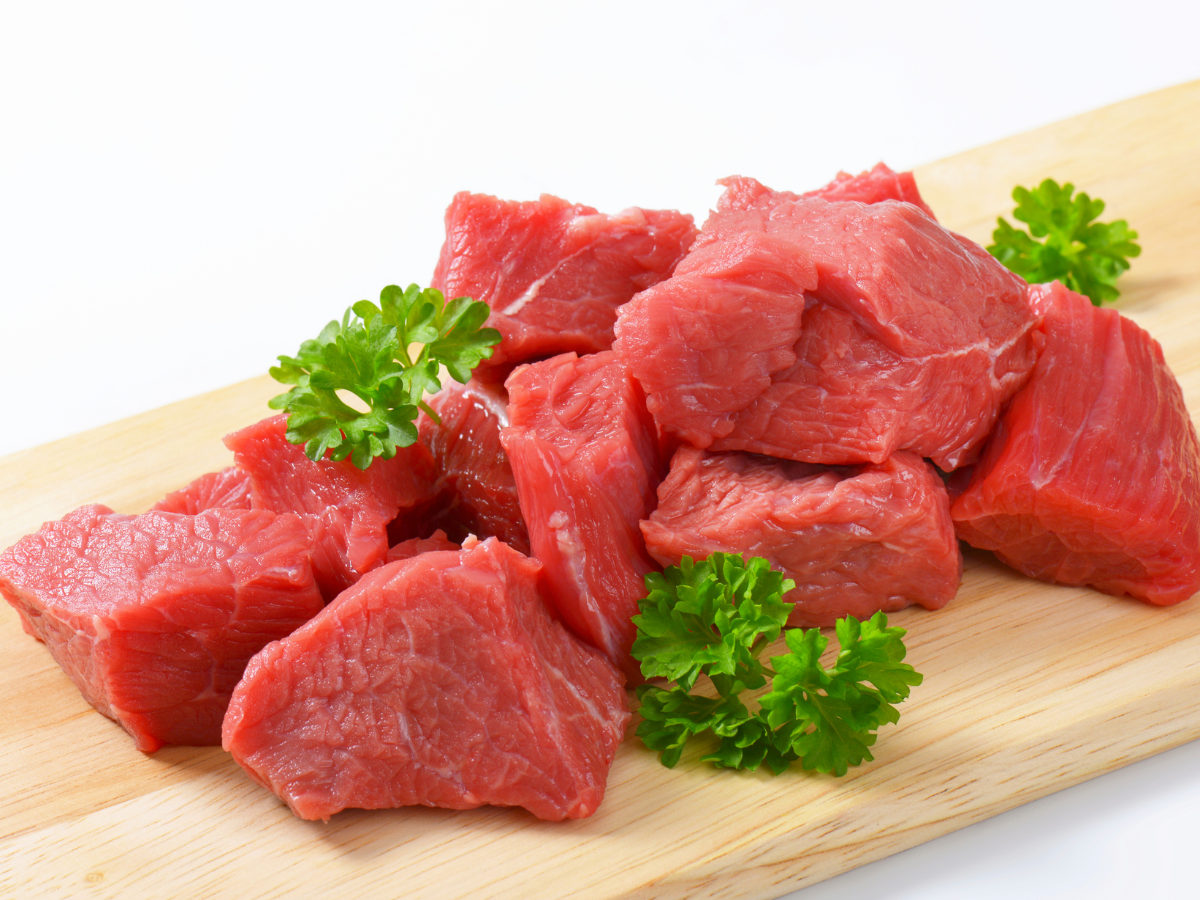
If you are looking for a reliable supplier of premium-quality beef, Happy Farm Jakarta is an excellent choice for restaurants, hotels, cafés, catering companies, retailers, and other food service businesses.
With a strong commitment to quality, consistency, and customer satisfaction, Happy Farm Jakarta provides carefully selected beef products that meet the highest industry standards. Every product is handled using proper food safety procedures to ensure freshness from storage through delivery.
Benefits of Choosing Happy Farm Jakarta
- Premium-quality beef products
- Wide selection of beef cuts for various culinary needs
- Hygienic processing and packaging
- Consistent inventory availability
- Reliable cold chain distribution
- Fast and on-time delivery
- Competitive pricing
- Professional and responsive customer service
Whether you require premium steaks, sliced beef, brisket, short plate, or other specialty cuts, Happy Farm Jakarta is committed to supporting your business with dependable products and exceptional service.
Common Mistakes to Avoid When Choosing a Beef Supplier
Understanding How to Choose a Beef Supplier also means recognizing common mistakes that can negatively impact your business.
Avoid these common errors:
- Choosing a supplier based only on price
- Ignoring food safety standards
- Failing to request product samples
- Overlooking delivery reliability
- Not checking customer reviews and business reputation
- Selecting suppliers with inconsistent inventory
- Ignoring customer support quality
- Working without a backup supplier
Avoiding these mistakes will help protect your business from supply disruptions and inconsistent product quality.
Conclusion
Understanding How to Choose a Beef Supplier is a critical investment for every food business. The right supplier contributes not only to product quality but also to operational efficiency, customer satisfaction, and long-term business success.
When evaluating suppliers, consider factors such as meat quality, food safety, product variety, inventory consistency, delivery reliability, customer service, and industry reputation. Looking beyond price allows you to build a more stable and profitable supply chain.
If you are searching for a trusted supplier that consistently delivers premium-quality beef with professional service, Happy Farm Jakarta is ready to become your long-term business partner. With high-quality products, dependable logistics, and a commitment to customer satisfaction, Happy Farm Jakarta helps food businesses maintain excellence and grow with confidence.
Premium Fresh Salmon: A Complete Guide to Choosing High-Quality Salmon for Everyday Meals
Premium Fresh Salmon - Salmon has become one of the most sought-after seafood choices for people who value both exceptional flavor and balanced nutrition. Whether served as grilled fillets, sushi, salads, or gourmet restaurant dishes, salmon offers a unique combination of rich taste, versatility, and impressive health benefits. However, not every salmon product on the market delivers the same level of freshness or quality. That is why understanding how to choose Premium Fresh Salmon is essential before making a purchase.
As consumer awareness of healthy eating continues to grow, demand for Premium Fresh Salmon has increased significantly. Families, restaurants, hotels, cafés, and catering businesses all recognize that high-quality ingredients directly influence the final dining experience. Selecting premium-grade salmon ensures better flavor, firmer texture, improved nutritional value, and greater food safety.
Choosing the right supplier is equally important. A trusted seafood distributor maintains proper cold-chain handling from storage to delivery, ensuring that every piece of salmon reaches customers in optimal condition. Happy Farm Jakarta is committed to providing premium seafood products that meet these standards, making it easier for customers to enjoy fresh, high-quality salmon for both personal and commercial use.
This comprehensive guide explains everything you need to know about Premium Fresh Salmon, from recognizing premium quality and understanding its nutritional benefits to selecting the right supplier for your everyday needs.
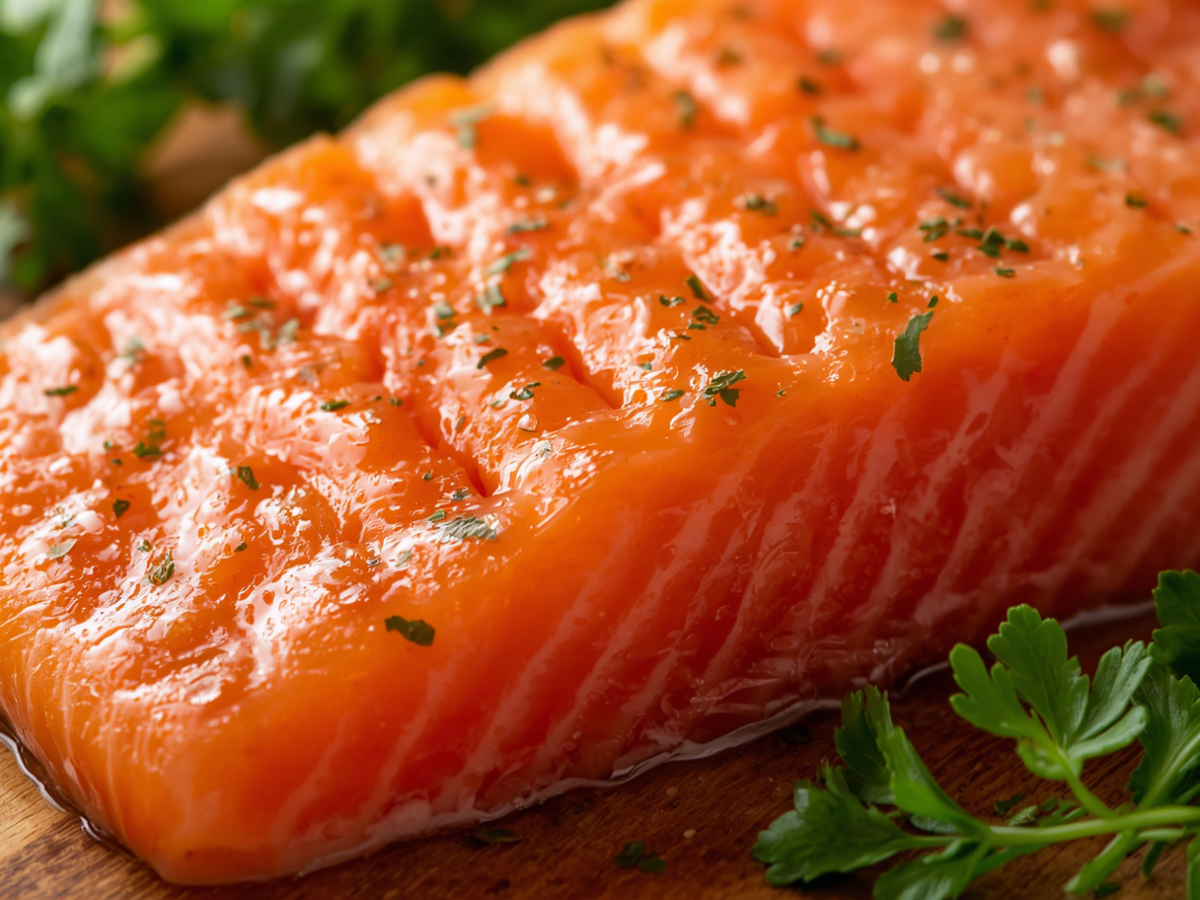
Why Premium Fresh Salmon Is Worth Choosing
The term Premium Fresh Salmon refers to salmon that has been carefully handled throughout every stage of the supply chain. From harvesting and processing to storage and transportation, strict quality control ensures that the fish maintains its freshness and nutritional integrity.
Unlike lower-grade products, premium salmon features vibrant natural color, firm yet tender flesh, and a clean ocean aroma without an overpowering fishy smell. These characteristics indicate that the salmon has been properly stored and handled under ideal temperature conditions.
Another reason why many chefs prefer Premium Fresh Salmon is its consistency. Restaurants and hotels require ingredients that deliver the same texture, taste, and appearance every time they prepare a dish. Premium-quality salmon offers this reliability, helping businesses maintain high customer satisfaction.
Beyond appearance and flavor, Premium Fresh Salmon also retains more of its valuable nutrients thanks to proper cold storage and careful handling during transportation.
Nutritional Benefits of Premium Fresh Salmon
One of the biggest reasons why nutritionists recommend Premium Fresh Salmon is its impressive nutritional profile. It provides a wide range of essential nutrients that support overall health while remaining delicious and easy to prepare.
High-Quality Protein
Protein is essential for building muscles, repairing body tissues, and maintaining a healthy immune system. Premium Fresh Salmon offers complete protein containing all essential amino acids required by the human body.
Its high protein content also promotes satiety, making salmon an excellent option for individuals following a healthy lifestyle or weight management plan.
Rich in Omega-3 Fatty Acids
Omega-3 fatty acids are perhaps the most recognized benefit of Premium Fresh Salmon. These healthy fats support cardiovascular health, brain function, and cognitive development while helping reduce inflammation throughout the body.
Regular consumption of omega-3-rich foods has also been associated with improved heart health and better overall wellness.
Excellent Source of Vitamin D
Vitamin D is naturally found in only a limited number of foods, making salmon one of the best dietary sources available. It contributes to stronger bones, improved calcium absorption, and enhanced immune function.
Including Premium Fresh Salmon in your weekly meal plan can help support healthy vitamin D intake naturally.
B Vitamins for Energy Production
Premium salmon contains several B vitamins, particularly Vitamin B12, which plays an important role in red blood cell production, nerve health, and energy metabolism.
These nutrients help the body convert food into usable energy while supporting healthy brain function.
Essential Minerals
In addition to vitamins and healthy fats, Premium Fresh Salmon provides selenium, phosphorus, potassium, and magnesium. These minerals contribute to healthy bones, muscles, heart function, and antioxidant protection.
Together, these nutrients make Premium Fresh Salmon one of the most complete seafood options for people seeking balanced nutrition.
How to Identify Premium Fresh Salmon
Knowing how to recognize quality salmon can help you make better purchasing decisions and avoid products that have lost their freshness.
1. Look for Bright Natural Color
High-quality Premium Fresh Salmon should display a vibrant orange or pink color with an even appearance throughout the fillet.
Dull, grayish, or uneven coloring may indicate improper storage or aging.
2. Check the Texture
Fresh salmon should feel firm and spring back immediately when gently pressed.
Soft or mushy flesh is often a sign that the fish is no longer at its best quality.
3. Smell the Fish
Contrary to common belief, Premium Fresh Salmon should not have a strong fishy odor. Instead, it should smell clean and fresh, similar to the ocean.
Any sour or unpleasant smell usually indicates declining freshness.
4. Observe the Surface
Premium salmon has a moist, glossy appearance without excessive slime. The surface should look fresh and clean rather than dry or sticky.
5. Examine the Fat Distribution
One of the visual characteristics of Premium Fresh Salmon is its thin white fat lines running evenly throughout the flesh.
These natural fat layers contribute to the buttery texture and rich flavor that premium salmon is known for.
The Importance of Buying from a Trusted Supplier
Even the highest-quality salmon can lose its freshness if it is not handled properly during transportation and storage.
This is why choosing a reliable supplier is just as important as selecting the fish itself.
Professional seafood suppliers invest in temperature-controlled logistics and strict cold-chain management to preserve product quality from warehouse to customer.
Happy Farm Jakarta is dedicated to maintaining these standards by carefully selecting premium seafood products and ensuring they are stored under optimal conditions. Whether you are purchasing for your family, restaurant, hotel, café, or catering business, Happy Farm Jakarta delivers Premium Fresh Salmon that maintains its freshness, taste, and nutritional value.
By sourcing seafood from a trusted supplier, customers can enjoy greater confidence in both food safety and product consistency.
Proper Storage Tips for Premium Fresh Salmon
Buying Premium Fresh Salmon is only the first step. To preserve its exceptional taste, texture, and nutritional value, proper storage is essential. Even the highest-quality salmon can lose its freshness if it is exposed to incorrect temperatures or handled improperly.
Following the right storage practices ensures that your Premium Fresh Salmon remains safe to eat and delivers the best possible culinary experience.
Store It at the Right Refrigeration Temperature
If you plan to cook your salmon within one or two days, keep it refrigerated at a temperature between 0°C and 4°C (32°F–39°F).
Place the salmon in an airtight container or wrap it tightly with food-grade plastic to prevent exposure to air and cross-contamination with other foods. Maintaining a consistent temperature helps preserve the natural flavor, moisture, and firm texture of Premium Fresh Salmon.
Freeze for Longer Storage
If you do not intend to use the salmon immediately, freezing is the best option. Store Premium Fresh Salmon at -18°C (0°F) or below.
For convenience, divide the salmon into meal-sized portions before freezing. This allows you to thaw only what you need and avoids repeated freezing and thawing, which can negatively affect texture and quality.
Thaw Salmon Properly
One of the most common mistakes is leaving frozen salmon on the kitchen counter to thaw.
Instead, transfer Premium Fresh Salmon from the freezer to the refrigerator several hours before cooking. Slow thawing helps preserve the fish's natural moisture and reduces the risk of bacterial growth.
Delicious Ways to Enjoy Premium Fresh Salmon
One of the reasons Premium Fresh Salmon is loved by home cooks and professional chefs alike is its incredible versatility. Its rich flavor pairs well with a variety of cooking methods and cuisines.
Grilled Salmon
A perfectly grilled salmon fillet highlights the fish's natural richness. Simply season it with sea salt, black pepper, butter, and a squeeze of fresh lemon to create an elegant yet simple meal.
Teriyaki Salmon
The sweet and savory flavor of teriyaki sauce complements the buttery texture of Premium Fresh Salmon, making it an excellent choice for lunch or dinner served with steamed rice.
Salmon Steak
For a restaurant-quality meal, serve salmon steak with mashed potatoes, roasted vegetables, or creamy herb sauce. The premium texture of the salmon makes every bite tender and satisfying.
Fresh Salmon Salad
Health-conscious diners often enjoy Premium Fresh Salmon served over mixed greens with avocado, cherry tomatoes, cucumbers, and a light olive oil dressing.
This refreshing combination offers both excellent nutrition and vibrant flavors.
Sushi and Sashimi
When sourced from a trusted supplier and prepared according to proper food safety standards, Premium Fresh Salmon can also be used for sushi and sashimi, delivering a delicate texture and clean taste appreciated by seafood enthusiasts.
Common Mistakes When Buying Salmon
Although purchasing salmon may seem straightforward, many consumers unknowingly make mistakes that compromise quality.
Choosing Based Only on Price
The cheapest option is not always the best value.
Investing in Premium Fresh Salmon provides superior taste, better nutritional content, greater consistency, and improved food safety.
Ignoring Cold-Chain Handling
Temperature control is one of the most important factors in seafood quality.
Always purchase Premium Fresh Salmon from suppliers that maintain strict cold-chain logistics from storage to delivery.
Buying from Unverified Sellers
Reliable suppliers provide transparency regarding product quality, storage methods, and handling procedures.
Purchasing from trusted distributors reduces the risk of receiving salmon that has been improperly stored or transported.
Why Choose Happy Farm Jakarta?
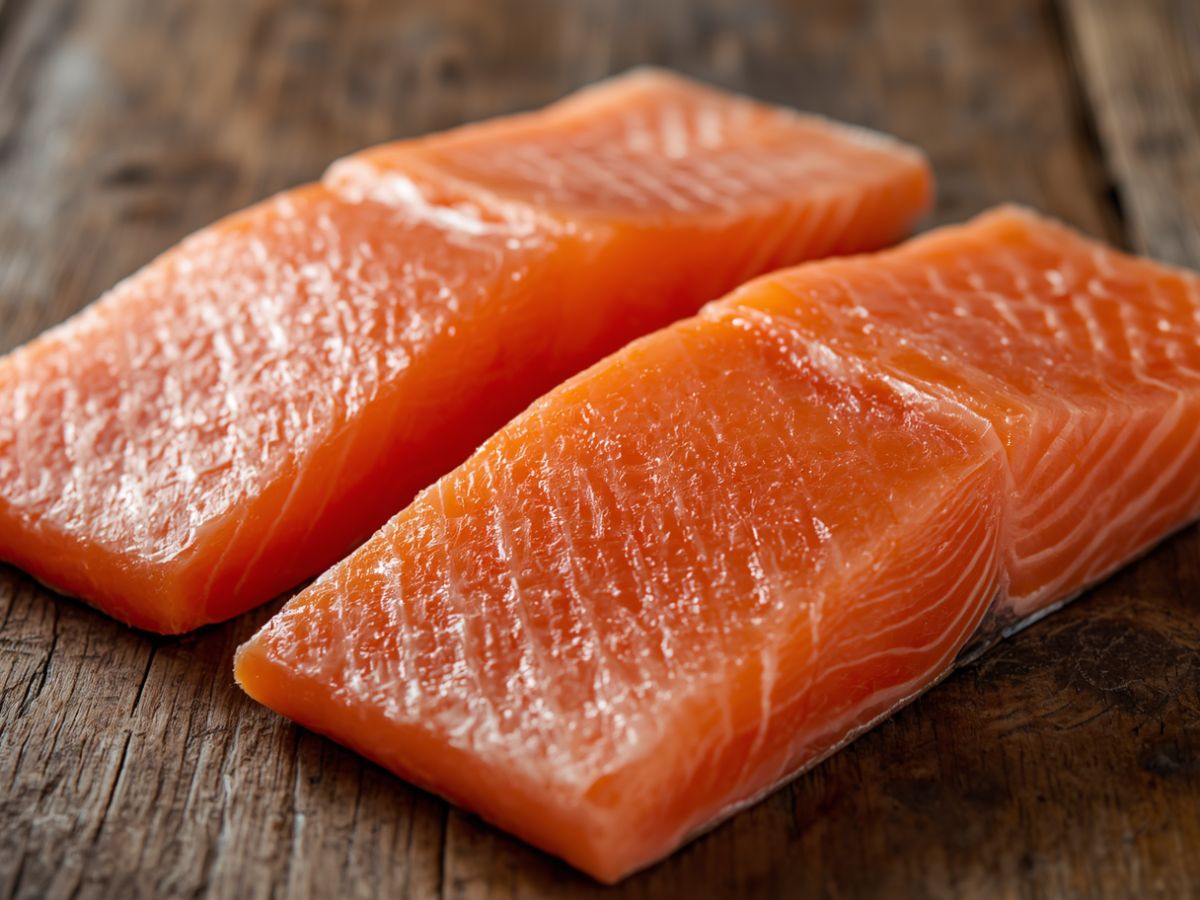
Finding consistently high-quality seafood begins with choosing the right supplier. At Happy Farm Jakarta, quality is a priority throughout every stage of the distribution process.
Happy Farm Jakarta carefully selects premium seafood products and maintains proper storage conditions to preserve freshness, texture, and nutritional value. Customers can confidently purchase Premium Fresh Salmon knowing that every product is handled according to high-quality standards.
Whether you are a home cook preparing healthy family meals or a professional chef serving guests in restaurants, hotels, cafés, or catering businesses, Happy Farm Jakarta offers seafood solutions that combine reliability with premium quality.
Beyond salmon, Happy Farm Jakarta also supplies a wide selection of premium seafood and meat products, making it a convenient one-stop supplier for households and food service businesses.
By choosing Premium Fresh Salmon from Happy Farm Jakarta, customers benefit from fresh products, dependable quality, and professional service that supports consistently outstanding meals.
Conclusion
Choosing Premium Fresh Salmon goes beyond selecting a beautiful fillet. It means investing in freshness, superior flavor, balanced nutrition, and food safety.
By understanding the characteristics of premium-quality salmon, learning the proper storage techniques, and purchasing from a trusted supplier, you can enjoy healthier and more satisfying meals every day.
Whether you're preparing dinner for your family or creating exceptional dishes for your customers, premium ingredients always make a noticeable difference.
Happy Farm Jakarta is committed to delivering Premium Fresh Salmon that meets the highest standards of quality and freshness. With carefully selected products, professional handling, and reliable cold-chain management, Happy Farm Jakarta helps you enjoy premium seafood with complete confidence.
Fresh Meat Supplier: Quality Fresh Meat Solutions for Your Business
Fresh Meat Supplier - In the food and beverage industry, ingredient quality is one of the most important factors that determines customer satisfaction and business success. Whether you run a restaurant, hotel, café, catering service, or food manufacturing business, the quality of your ingredients directly impacts the final product you serve. Among all ingredients, fresh meat plays a critical role in maintaining taste, texture, and consistency. This is why partnering with a reliable Fresh Meat Supplier is essential for long-term business growth.
As the demand for premium food ingredients continues to increase, businesses are looking for a Fresh Meat Supplier that can provide consistent quality, dependable delivery, and professional service. This is where Happy Farm Jakarta becomes the ideal partner, offering high-quality fresh meat products tailored to the needs of various businesses.
Why Choosing the Right Fresh Meat Supplier Matters
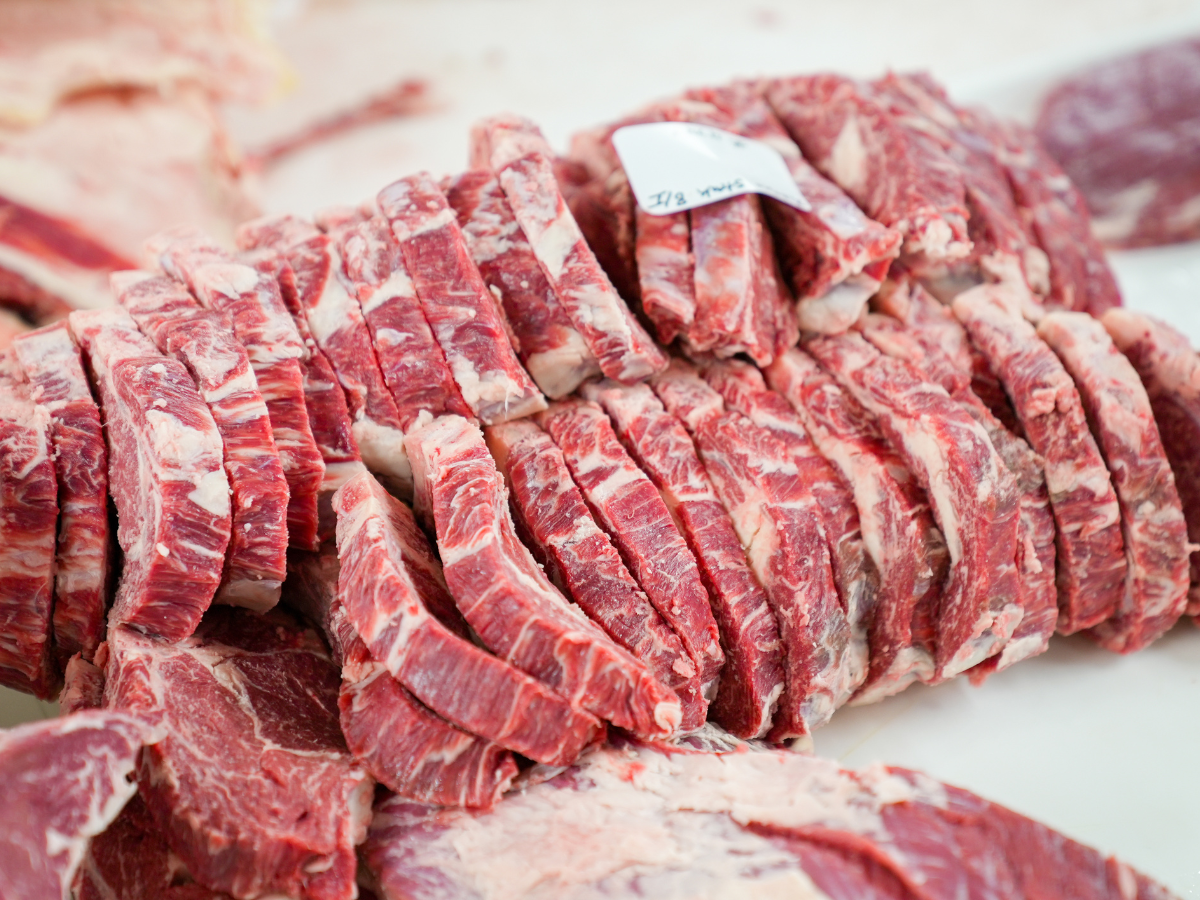
Selecting the right Fresh Meat Supplier is more than simply finding a company that can deliver meat products. A trusted supplier becomes an important part of your supply chain and contributes directly to your operational efficiency and customer satisfaction.
A professional Fresh Meat Supplier can help your business by:
- Providing high-quality and fresh products consistently.
- Ensuring stable inventory and supply availability.
- Reducing food waste caused by poor-quality ingredients.
- Supporting menu consistency and food standards.
- Helping businesses maintain a strong reputation.
In a highly competitive market, having a dependable Fresh Meat Supplier can become a significant competitive advantage.
The Importance of Fresh Meat for Culinary Businesses
Fresh meat has a major impact on the quality of food served to customers. The freshness of meat affects flavor, tenderness, aroma, and nutritional value. Even the most skilled chefs cannot produce exceptional dishes if the ingredients do not meet quality standards.
Restaurants serving steaks require premium cuts with excellent freshness to achieve the desired texture. Burger restaurants need fresh beef to maintain juicy and flavorful patties. Hotels and catering businesses also depend on a trusted Fresh Meat Supplier to deliver products that meet their quality expectations.
By choosing the right Fresh Meat Supplier, businesses can ensure that every dish consistently meets customer expectations.
Happy Farm Jakarta: Your Trusted Fresh Meat Supplier
As a leading Fresh Meat Supplier, Happy Farm Jakarta understands the importance of delivering premium products that support business growth. The company provides a wide selection of fresh meat products for various industries and culinary needs.
Its product range includes:
- Fresh beef products.
- Fresh chicken products.
- Premium goat meat.
- Special cuts for restaurants and hotels.
- Customized meat solutions for business requirements.
As an experienced Fresh Meat Supplier, Happy Farm Jakarta prioritizes quality control from sourcing and processing to packaging and delivery.
Advantages of Working with a Professional Fresh Meat Supplier
1. Consistent Product Quality
One of the biggest advantages of working with a professional Meat Supplier is consistency. Customers expect the same quality every time they visit a restaurant or order food. Consistent ingredients help businesses maintain their standards and reputation.
2. Reliable Supply Chain
A dependable Fresh Meat Supplier ensures that businesses receive their products on time. Reliable supply management prevents operational disruptions and allows businesses to focus on serving customers.
3. Fresh and Hygienic Products
Food safety has become increasingly important in today's market. A professional Meat Supplier follows strict hygiene and handling procedures to ensure products remain safe and fresh.
4. Competitive Pricing
Managing food costs is essential for maintaining profitability. Partnering with an experienced Meat Supplier allows businesses to obtain premium-quality products at competitive prices.
5. Professional Customer Service
A trusted Fresh Meat Supplier does more than simply deliver products. The supplier also provides support, product recommendations, and solutions that help businesses meet their operational needs.
Industries That Need a Fresh Meat Supplier
Many industries rely heavily on the services of a professional Fresh Meat Supplier, including:
Restaurants and Cafés
Restaurants need a steady supply of quality ingredients to maintain menu consistency and customer satisfaction.
Hotels and Resorts
Hotels require premium meat products to provide exceptional dining experiences for their guests. A reliable Meat Supplier plays a crucial role in maintaining these standards.
Catering Companies
Catering businesses often need large quantities of meat within strict timelines. Working with a dependable Meat Supplier helps ensure smooth operations.
Food Processing Businesses
Food manufacturers need fresh and high-quality ingredients to produce products that meet market standards and consumer expectations.
Small and Medium Enterprises
Small food businesses can also benefit from partnering with a professional Meat Supplier to improve product quality and compete more effectively in the market.
How to Choose the Best Fresh Meat Supplier
Finding the right Fresh Meat Supplier requires careful consideration. Businesses should evaluate several important factors before making a decision.
Product Quality
A good Meat Supplier should provide fresh, high-quality products that meet industry standards.
Distribution Capability
Fast and efficient delivery systems are essential for preserving product freshness.
Consistent Inventory
The supplier should be capable of maintaining stable stock levels and fulfilling orders on time.
Food Safety Standards
A reliable Meat Supplier follows strict hygiene and quality control procedures throughout the supply chain.
Industry Experience
Suppliers with extensive experience often understand the specific needs and challenges of different industries.
Why Businesses Trust Happy Farm Jakarta
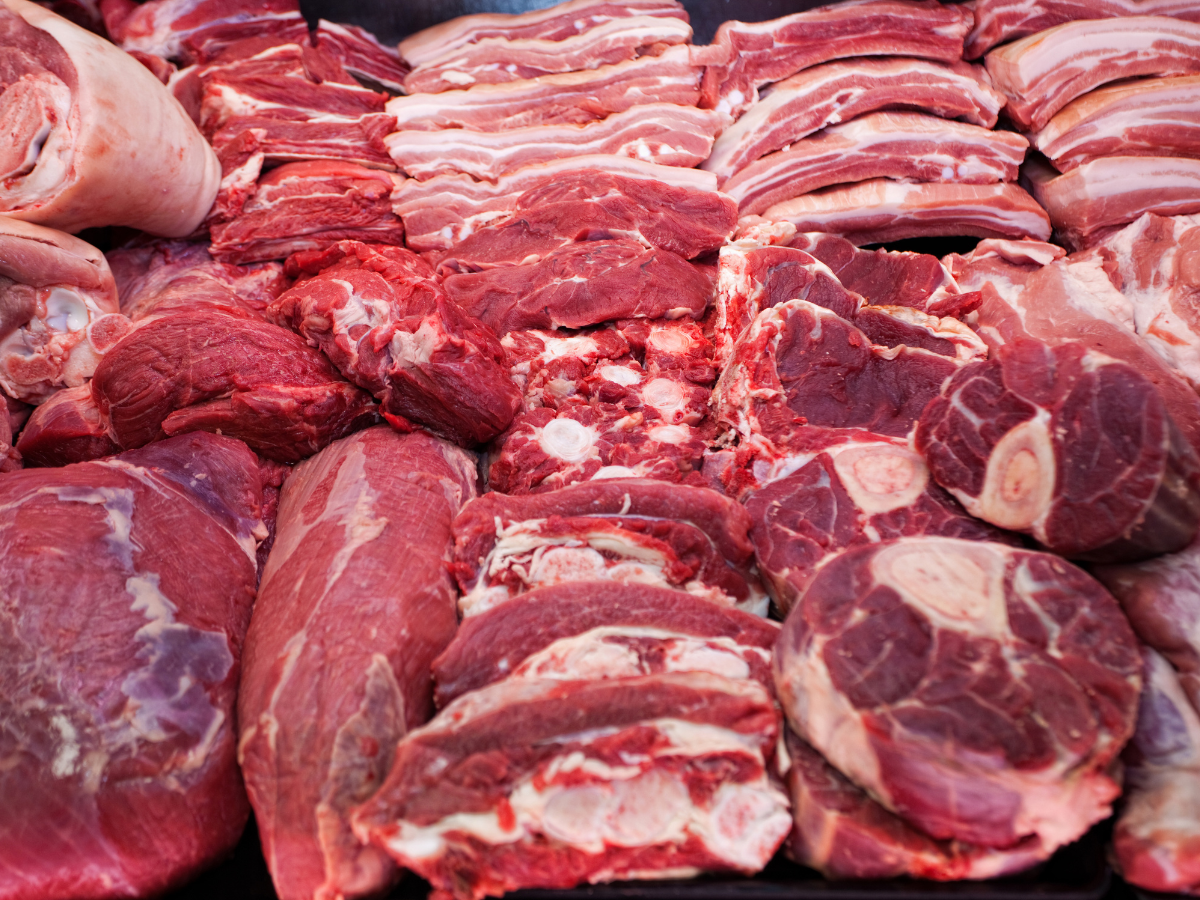
As a professional Fresh Meat Supplier, Happy Farm Jakarta has built a strong reputation by consistently delivering premium-quality products and excellent service. The company understands that every business depends on reliable ingredients to maintain its reputation and customer satisfaction.
By combining product quality, efficient logistics, and customer-focused service, Happy Farm Jakarta has become a preferred Fresh Meat Supplier for restaurants, hotels, catering companies, and food businesses across Indonesia.
Conclusion
Choosing the right Fresh Meat Supplier is a strategic investment that directly impacts the success of a food business. High-quality fresh meat helps businesses maintain product standards, improve customer satisfaction, and strengthen their market position.
As a trusted Fresh Meat Supplier, Happy Farm Jakarta is committed to providing premium fresh meat products, reliable distribution, and professional service to support business growth. Whether you operate a restaurant, hotel, catering company, or food manufacturing business, partnering with Happy Farm Jakarta ensures that you always receive fresh, high-quality meat products that help your business thrive.
If you are looking for a dependable Fresh Meat Supplier that prioritizes quality, consistency, and customer satisfaction, Happy Farm Jakarta is the perfect partner for your business.
Meat and Salmon Fresh Supplier: Complete Guide to Premium Quality Meat and Seafood Supply
Meat and Salmon Fresh Supplier - In today's competitive food and beverage industry, the quality of ingredients plays a crucial role in determining customer satisfaction and business success. Restaurants, hotels, catering companies, cafés, and retail businesses all depend on reliable sources of premium meat and seafood to maintain consistent quality standards. As a trusted Meat and Salmon Fresh Supplier, Happy Farm Jakarta is committed to providing premium-quality products that support the needs of modern culinary businesses.
High-quality ingredients are the foundation of every exceptional dining experience. Whether it is a perfectly grilled steak, a premium burger, fresh sashimi, or a gourmet seafood dish, the final result depends heavily on the quality of the raw materials. This is why choosing the right Meat and Salmon Fresh Supplier is one of the most important decisions for any food-related business.
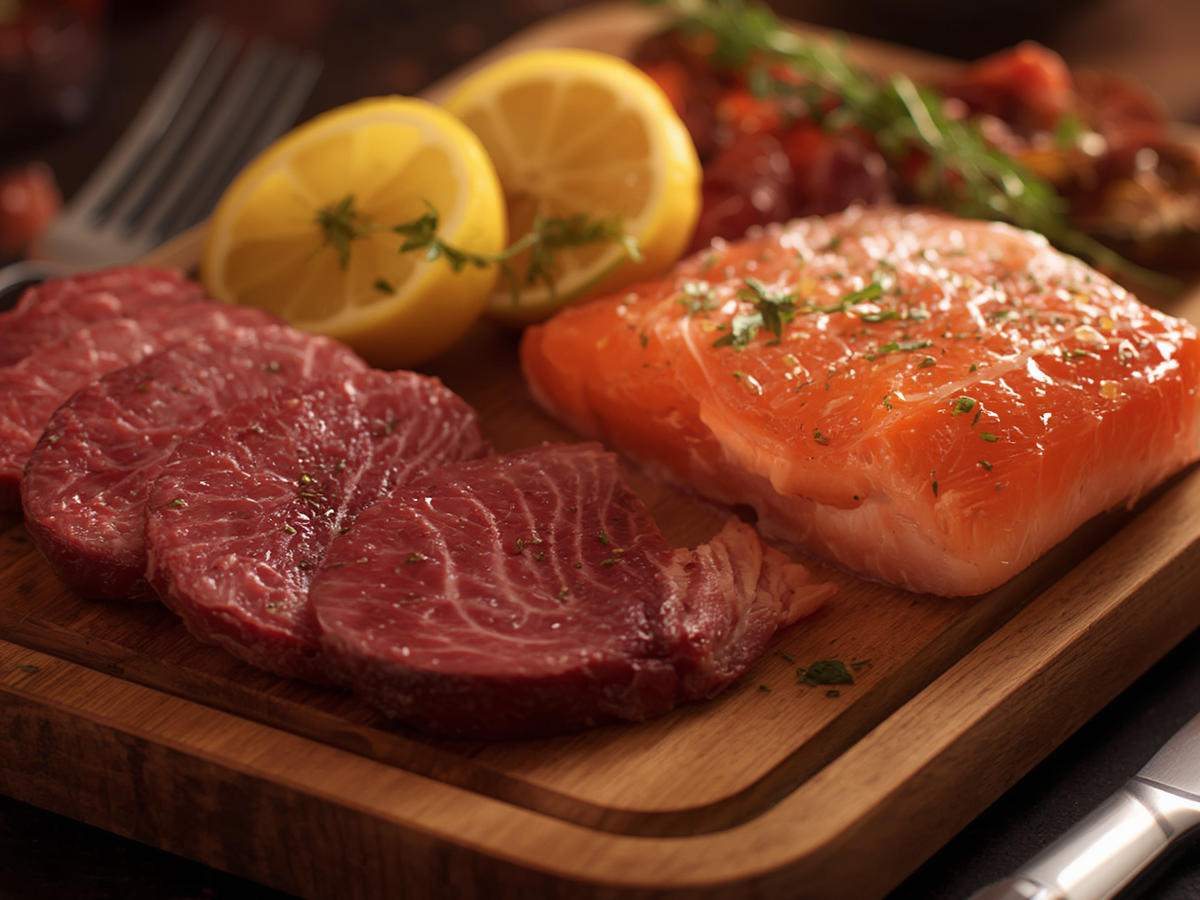
Why Choosing a Reliable Meat and Salmon Fresh Supplier Matters
Consumer expectations continue to rise as customers become more aware of food quality, safety, and sourcing standards. Businesses that consistently serve premium dishes are often supported by a dependable Meat and Salmon Fresh Supplier capable of delivering fresh products on time and in excellent condition.
A professional supplier provides more than just products. They help businesses maintain consistency, improve operational efficiency, and ensure a stable supply chain. This reliability becomes increasingly important as customer demand grows and competition intensifies.
By partnering with a reputable supplier, businesses can focus on creating outstanding dining experiences while minimizing concerns about inventory shortages or inconsistent product quality.
Key Characteristics of a Professional Meat and Salmon Fresh Supplier
Not all suppliers offer the same level of quality and service. Understanding the characteristics of a professional Meat and Salmon Fresh Supplier can help businesses make informed decisions.
Consistently Fresh Products
Freshness is one of the most important indicators of quality. Premium meat should have a natural color, firm texture, and proper moisture balance. Fresh salmon should feature vibrant color, firm flesh, and a clean aroma.
As a reliable Meat and Salmon Fresh Supplier, product freshness must be maintained from storage facilities to final delivery.
Advanced Cold Storage Systems
Proper temperature control is essential for preserving the quality and safety of meat and seafood products.
Professional suppliers invest in modern cold storage facilities and refrigerated transportation systems to ensure products remain fresh throughout the distribution process. Effective cold chain management helps preserve flavor, texture, and nutritional value.
Wide Product Selection
Food businesses often require multiple protein options to support diverse menu offerings.
An experienced Meat and Salmon Fresh Supplier should provide products such as:
- Premium beef cuts
- Sliced beef
- Ground beef
- Fresh chicken
- Premium lamb
- Imported beef
- Fresh salmon fillets
- Salmon portions
- Various fresh seafood products
Having access to a complete product range simplifies procurement and improves operational efficiency.
Reliable Distribution Network
Timely delivery is essential in the food industry. Delayed shipments can disrupt operations and negatively affect customer satisfaction.
A professional Meat and Salmon Fresh Supplier should have a dependable logistics system that ensures products arrive in optimal condition and according to schedule.
Benefits of Working with a Professional Meat and Salmon Fresh Supplier
Partnering with a trusted supplier offers significant advantages for restaurants, hotels, and other food service businesses.
Consistent Product Quality
Consistency is critical for maintaining customer trust. Customers expect the same taste, texture, and presentation every time they order a dish.
A dependable Meat and Salmon Fresh Supplier helps businesses maintain these standards by providing products with consistent quality.
Improved Operational Efficiency
Reliable suppliers reduce the risk of stock shortages and supply interruptions. This allows kitchen teams and operational staff to focus on service quality rather than sourcing concerns.
Enhanced Food Safety
Food safety is a top priority in the hospitality industry. Suppliers with proper storage, handling, and transportation procedures help reduce contamination risks and ensure compliance with food safety standards.
Support for Business Growth
As businesses expand, their demand for quality ingredients also increases. A professional Meat and Salmon Fresh Supplier can scale alongside the business and support long-term growth objectives.
How to Choose the Right Meat and Salmon Fresh Supplier
Selecting the right supplier requires careful evaluation. Several important factors should be considered before establishing a partnership.
Assess Industry Reputation
A supplier’s reputation often reflects their ability to deliver quality products and professional service.
Research customer reviews, business experience, and client portfolios to gain insight into the supplier’s reliability and performance.
Evaluate Product Quality
Before making large-volume purchases, request product samples whenever possible.
Examine factors such as freshness, texture, appearance, and overall quality. This step helps ensure the supplier meets your business requirements.
Verify Supply Stability
Reliable inventory management is essential for businesses with consistent demand.
A trusted Meat and Salmon Fresh Supplier should have the capacity to maintain stable product availability throughout the year.
Review Logistics Capabilities
Delivery performance is just as important as product quality. Suppliers should demonstrate strong logistics capabilities and proper cold-chain management to maintain product integrity during transportation.
The Role of Meat and Salmon Fresh Supplier in Culinary Excellence
Exceptional dishes begin with exceptional ingredients. Even the most talented chefs depend on premium-quality proteins and seafood to create memorable dining experiences.
Fresh salmon is widely used in dishes such as sushi, sashimi, salmon steaks, grilled salmon, and contemporary fusion cuisine. The quality of the salmon directly influences texture, flavor, and presentation.
Similarly, premium beef is essential for steak restaurants, yakiniku establishments, burger concepts, and fine dining venues. Superior ingredients help elevate menu quality and strengthen brand reputation.
For this reason, a dependable Meat and Salmon Fresh Supplier becomes an important strategic partner in maintaining culinary excellence.
Happy Farm Jakarta: Your Trusted Meat and Salmon Fresh Supplier
As a professional Meat and Salmon Fresh Supplier, Happy Farm Jakarta provides premium-quality meat and seafood products to support the growing needs of the food service industry.
Happy Farm Jakarta prioritizes quality throughout every stage of the supply chain, from sourcing and storage to distribution and customer service. The company is committed to helping businesses maintain the highest standards for their menus and operations.
Key advantages of partnering with Happy Farm Jakarta include:
- Premium-quality meat products
- Fresh salmon with superior quality standards
- Modern cold storage facilities
- Reliable and timely deliveries
- Consistent inventory availability
- Professional customer support
- Solutions for restaurants, hotels, catering businesses, and retailers
Through a strong commitment to quality and customer satisfaction, Happy Farm Jakarta continues to serve as a trusted partner for businesses seeking dependable meat and seafood supplies.
Growing Demand for Premium Meat and Fresh Salmon
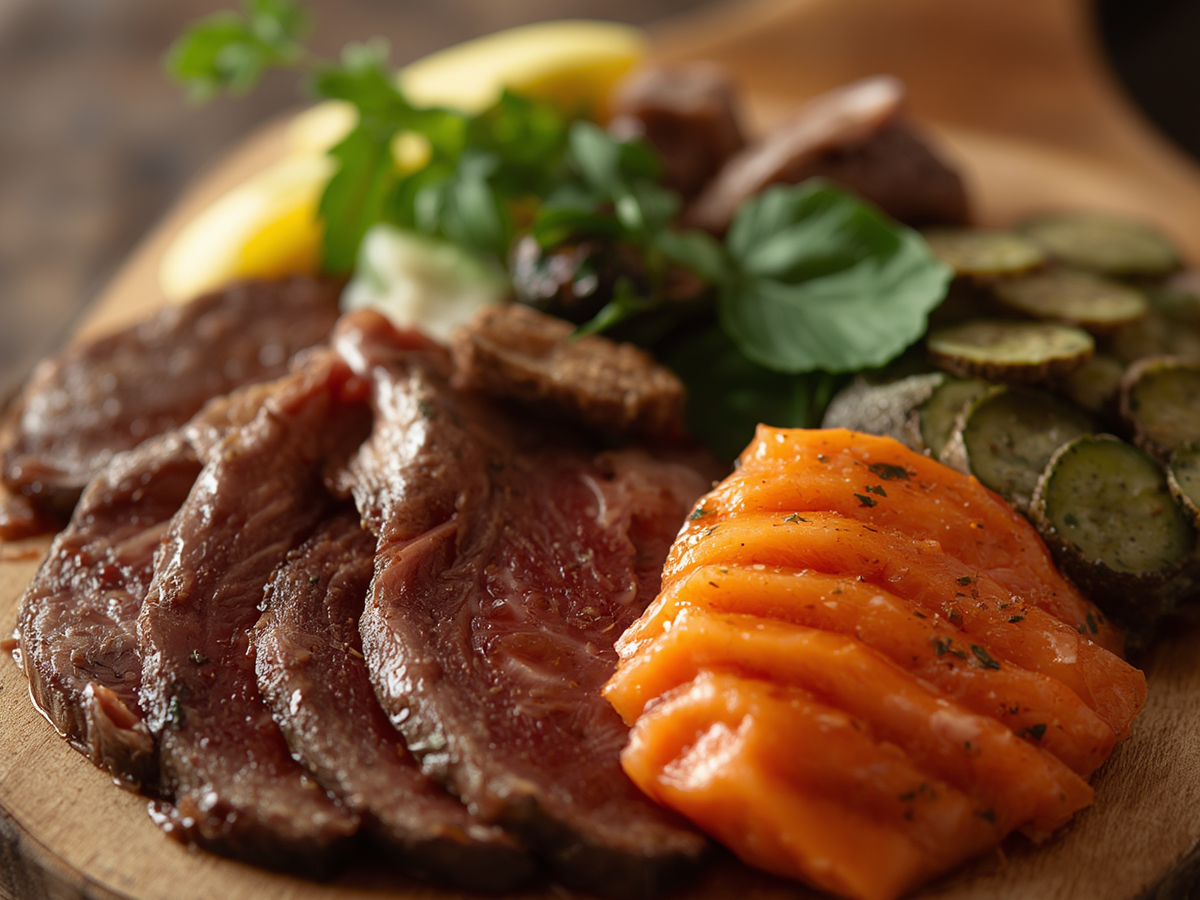
The demand for premium proteins continues to increase as consumers become more health-conscious and quality-focused. Salmon remains one of the most sought-after seafood products due to its nutritional benefits, versatility, and premium appeal.
At the same time, premium beef and other high-quality meat products continue to gain popularity across restaurants, hotels, and specialty food establishments.
This growing demand highlights the importance of partnering with a reliable Meat and Salmon Fresh Supplier capable of maintaining quality, consistency, and supply reliability.
Conclusion
Choosing the right Meat and Salmon Fresh Supplier is a critical investment for any food business. A professional supplier provides more than fresh products; they deliver consistency, reliability, food safety, and long-term value.
As a trusted Meat and Salmon Fresh Supplier, Happy Farm Jakarta is dedicated to supplying premium-quality meat and seafood products that support the success of restaurants, hotels, catering companies, and retail businesses. With the right supplier partnership, businesses can strengthen their operations, enhance customer satisfaction, and achieve sustainable growth in an increasingly competitive market.
Why Happy Farm Jakarta Is the Preferred Sliced and Ground Meat Supplier for Culinary Businesses
Sliced and Ground Meat Supplier - The success of any culinary business depends heavily on the quality of its ingredients. Whether operating a restaurant, catering company, hotel kitchen, cloud kitchen, or food manufacturing business, maintaining consistent product quality starts with sourcing premium raw materials. Among the most important ingredients, meat plays a significant role in determining taste, texture, and customer satisfaction.
As competition within the food industry continues to intensify, businesses need a reliable Sliced and Ground Meat Supplier capable of delivering high-quality products consistently. This is where Happy Farm Jakarta stands out. With a commitment to quality, dependable supply chains, and professional service, Happy Farm Jakarta has become a trusted partner for businesses seeking premium sliced and ground meat products.
The Growing Demand for Quality Meat Products
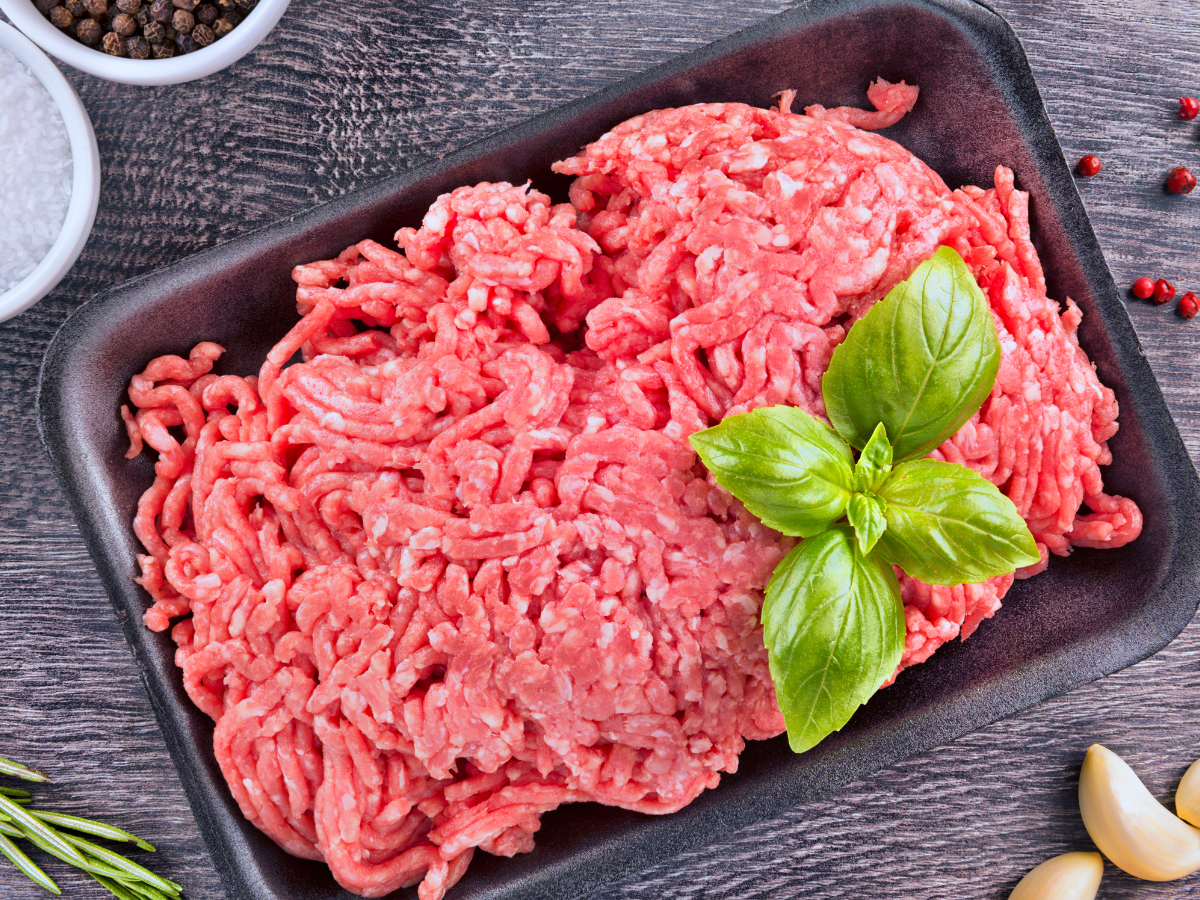
Consumer expectations have evolved significantly over the past decade. Today’s customers demand not only delicious food but also consistency in every dining experience. As a result, culinary businesses are under increasing pressure to maintain strict quality standards.
Partnering with a dependable Sliced and Ground Meat Supplier helps businesses meet these expectations while improving operational efficiency. Instead of spending valuable time processing raw meat in-house, businesses can focus on food preparation, customer service, and business growth.
The growing popularity of hotpot restaurants, Korean barbecue, Japanese cuisine, burger concepts, and meal-prep services has further increased demand for professionally prepared sliced and ground meat products. Businesses require suppliers capable of meeting these demands without compromising quality.
Happy Farm Jakarta Prioritizes Premium Quality
One of the key reasons businesses choose Happy Farm Jakarta is its dedication to product quality. As a leading Sliced and Ground Meat Supplier, the company ensures that every product meets strict quality standards before reaching customers.
Quality control begins with sourcing premium meat from trusted suppliers. Each product is handled carefully throughout the processing and distribution stages to maintain freshness, flavor, and texture.
This commitment allows culinary businesses to serve meals with consistent quality, helping them build stronger customer loyalty and positive brand reputation.
High-Quality Sliced Meat for Various Culinary Needs
Different culinary businesses require different meat specifications. Hotpot restaurants may require ultra-thin slices, while Korean barbecue establishments often need specific cuts with consistent thickness and marbling.
As an experienced Sliced and Ground Meat Supplier, Happy Farm Jakarta provides a wide range of sliced meat products tailored to diverse business requirements. Precision slicing technology ensures uniform cuts that contribute to better cooking performance and presentation.
Consistent slicing not only improves the appearance of dishes but also ensures even cooking, allowing chefs to maintain quality standards across every serving.
Premium Ground Meat for Diverse Menu Applications
Ground meat is a key ingredient in many food businesses. From gourmet burgers and meatballs to pasta dishes and ready-to-eat meals, product quality directly influences the final result.
Happy Farm Jakarta serves as a trusted Sliced and Ground Meat Supplier by providing premium ground meat products processed under strict hygiene standards. The company focuses on maintaining freshness and consistency throughout the grinding process.
This attention to detail enables businesses to create products with superior texture, flavor, and overall quality, helping them stand out in increasingly competitive markets.
Consistent Supply for Business Stability
Supply chain reliability is one of the most critical factors in food service operations. Running out of key ingredients can disrupt production schedules, reduce customer satisfaction, and negatively impact revenue.
A dependable Sliced and Ground Meat Supplier should be capable of maintaining stable inventory levels throughout the year. Happy Farm Jakarta understands the importance of supply continuity and has developed an efficient distribution system to support businesses of all sizes.
By ensuring consistent product availability, the company helps clients maintain smooth operations and confidently plan for future growth.
Competitive Pricing Without Sacrificing Quality
Many businesses face the challenge of balancing quality and cost. While low-cost products may reduce short-term expenses, inconsistent quality often leads to waste, customer complaints, and lost business opportunities.
Happy Farm Jakarta offers an ideal balance between affordability and premium quality. As a trusted Sliced and Ground Meat Supplier, the company provides competitive pricing while maintaining strict quality standards.
This approach allows culinary businesses to maximize profitability while continuing to deliver excellent dining experiences to their customers.
Supporting Various Types of Food Businesses
One of Happy Farm Jakarta’s strengths is its ability to serve a wide range of industries. The company works with restaurants, hotels, catering providers, cloud kitchens, food distributors, and food manufacturers.
As a versatile Sliced and Ground Meat Supplier, Happy Farm Jakarta understands that each business has unique operational requirements. Flexible order quantities, customized product specifications, and responsive customer support allow the company to adapt to diverse client needs.
This flexibility makes Happy Farm Jakarta a valuable long-term business partner rather than simply a supplier.
Professional Service and Customer Support
Beyond product quality, excellent service plays a crucial role in building successful business partnerships. Reliable communication and fast response times can significantly improve operational efficiency for food businesses.
Happy Farm Jakarta has earned a reputation for providing professional and responsive customer support. As a dedicated Sliced and Ground Meat Supplier, the company works closely with clients to understand their requirements and recommend suitable products.
This customer-focused approach helps establish strong, long-lasting business relationships built on trust and mutual growth.
Why Businesses Continue to Choose Happy Farm Jakarta
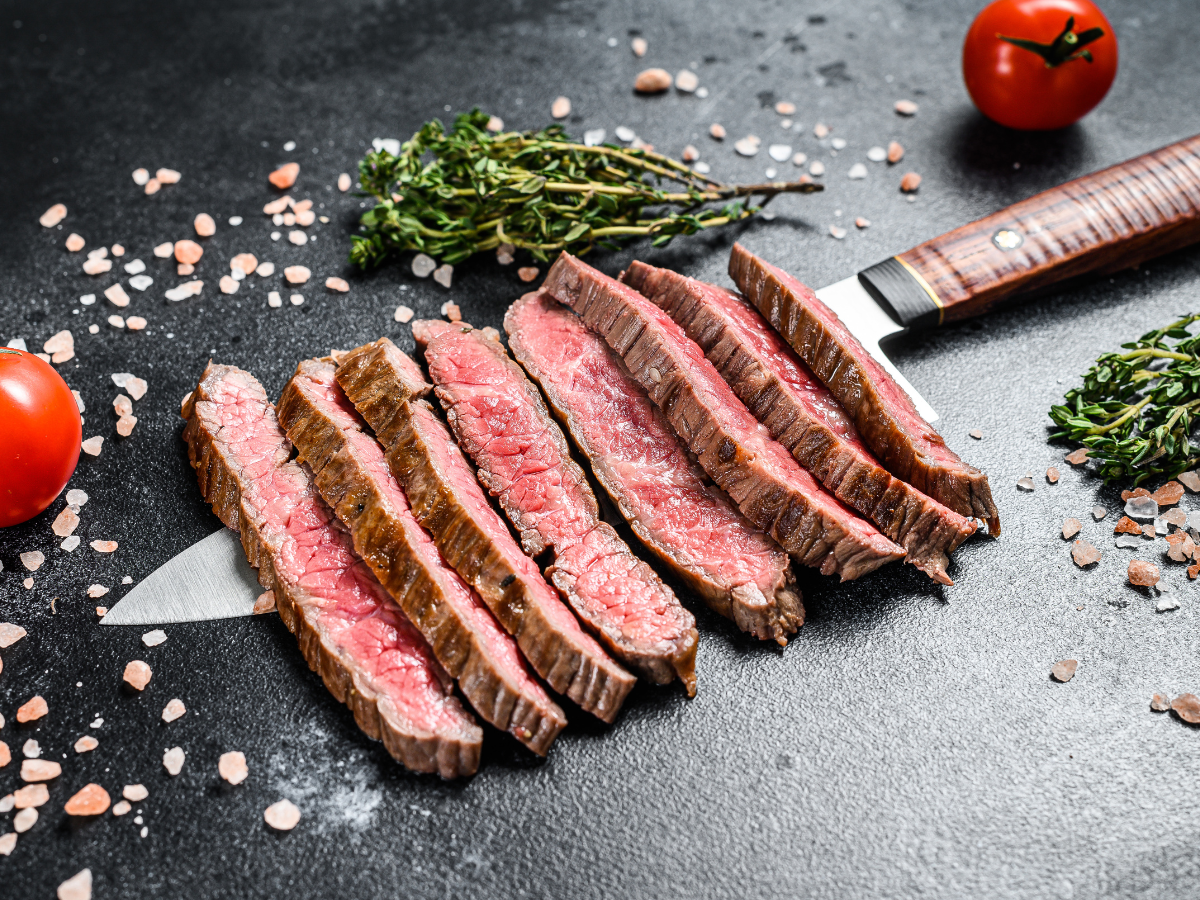
There are many reasons why culinary businesses continue to trust Happy Farm Jakarta. From premium-quality products and stable supply chains to competitive pricing and exceptional service, the company consistently delivers value to its customers.
As a reliable Sliced and Ground Meat Supplier, Happy Farm Jakarta helps businesses maintain product consistency, improve operational efficiency, and enhance customer satisfaction. These advantages contribute directly to sustainable business growth in a highly competitive food industry.
The company’s commitment to excellence has made it a preferred choice for businesses seeking dependable meat supply solutions in Jakarta and beyond.
Conclusion
Selecting the right meat supplier is a critical decision that affects every aspect of a culinary business. Product quality, consistency, pricing, and supply reliability all influence customer satisfaction and long-term profitability.
For businesses looking for a trusted Sliced and Ground Meat Supplier, Happy Farm Jakarta offers the perfect combination of premium products, dependable supply, competitive pricing, and professional service. By partnering with Happy Farm Jakarta, culinary businesses can focus on delivering exceptional food experiences while relying on a supplier committed to supporting their success.