


Choosing the right beef for steak is one of the most important factors in creating a steak with the right flavor, tenderness, texture, and overall quality. Different beef cuts have different characteristics, so choosing the right one should depend on the restaurant concept, cooking method, and customer preferences.
Tenderloin is known for its tenderness, sirloin offers a stronger beef flavor, while ribeye is recognized for its marbling and juicy texture. Beyond these popular cuts, there are several other options that can be used as beef for steak to create a more diverse restaurant menu.
For restaurants, hotels, steakhouses, and culinary businesses, product quality should also be supported by a consistent supply. Working with a beef supplier for restaurant needs in Jakarta can therefore become an important part of the procurement process.
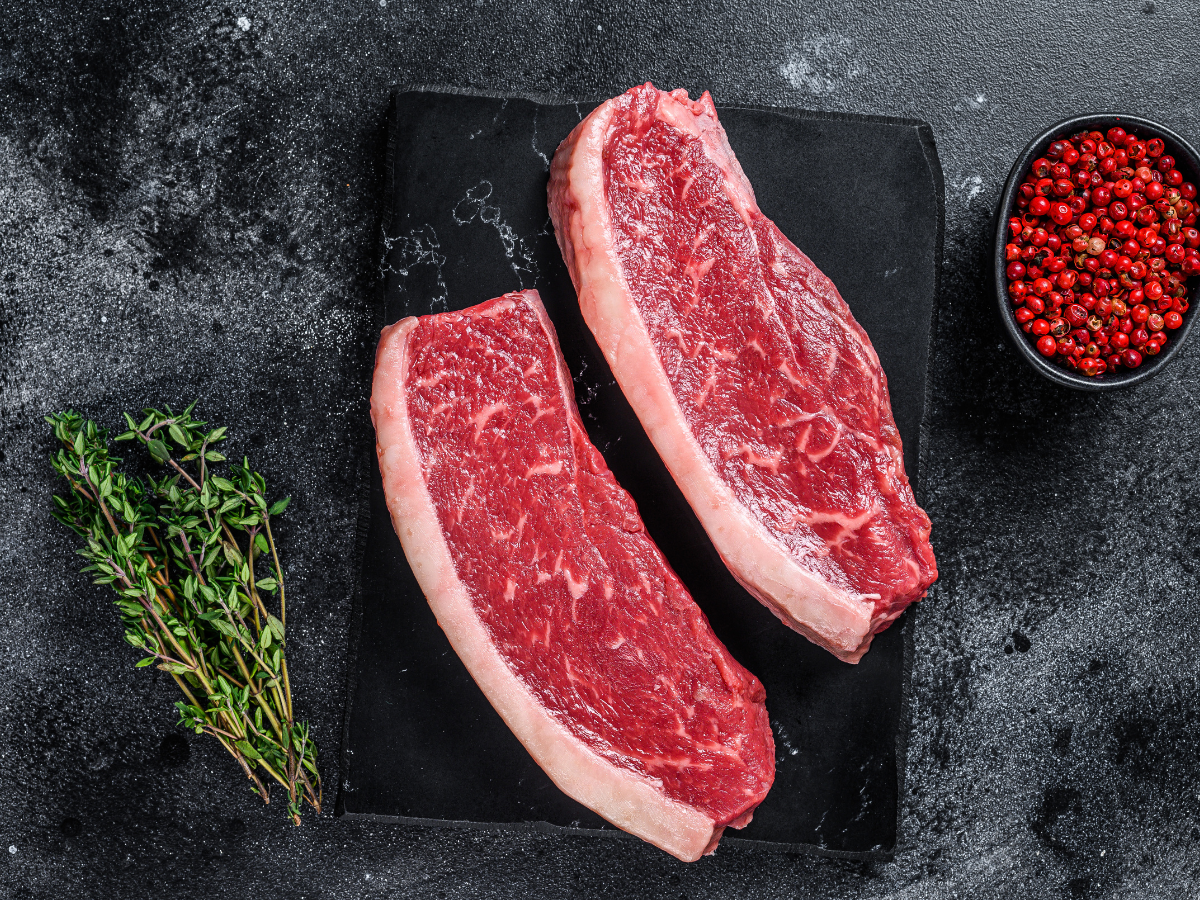 Why Choosing the Right Beef for Steak Matters
The quality of beef for steak has a direct impact on the final result after cooking. Differences in muscle fibers, fat content, marbling, and thickness can create completely different steak experiences.
Beef with higher marbling can provide a richer flavor and juicier texture. Meanwhile, leaner cuts can offer a cleaner beef flavor and a different mouthfeel.
For restaurants, consistency is equally important. Using beef for steak with consistent specifications can help kitchen teams maintain portion sizes, cooking times, and desired levels of doneness.
The right cut should therefore be selected based not only on price but also on how it will be prepared and served.
1. Tenderloin: A Very Tender Beef for Steak Cut
Tenderloin is one of the most popular choices of beef for steak because of its exceptionally tender texture. This cut comes from an area of the animal that is not heavily used for muscle activity, resulting in relatively fine and soft muscle fibers.
Tenderloin generally contains less fat than ribeye. Its flavor tends to be more subtle, while tenderness is its main characteristic.
This cut is commonly used for dishes such as filet mignon. Tenderloin is often prepared at medium rare to medium to preserve its delicate texture.
For restaurants that want to offer a premium steak focused on tenderness, tenderloin can be an excellent choice of beef for steak.
2. Sirloin: A Balance of Flavor and Texture
Sirloin is another popular type of beef for steak because it offers a practical balance between flavor, texture, and price. Compared with tenderloin, sirloin generally has a more pronounced beef flavor.
Sirloin can have a layer of external fat that contributes additional flavor when the steak is grilled or pan-seared. This characteristic makes it suitable for a variety of restaurant menus.
Sirloin can be served with pepper sauce, mushroom sauce, butter-based sauces, or other steak accompaniments.
For culinary businesses looking for beef for steak with a strong beef character and flexible applications, sirloin is a practical option.
3. Ribeye: Marbled Beef for Steak with Rich Flavor
Ribeye is one of the most popular choices of beef for steak, particularly among customers who enjoy rich flavor and a juicy texture.
Its defining characteristic is marbling, or intramuscular fat distributed throughout the meat. During cooking, the fat contributes to the steak’s flavor and helps create a juicy eating experience.
Ribeye can be prepared using grilling, pan-searing, or reverse-searing techniques. The cooking method can be adjusted according to the thickness of the steak and the desired level of doneness.
When selecting beef for steak, ribeye can be considered when rich flavor, marbling, and juiciness are important parts of the menu.
4. Striploin: Beef for Steak with a Stronger Flavor
Striploin, also known as strip steak, is a popular beef for steak cut that provides a balance between tenderness and a pronounced beef flavor.
This cut commonly has a layer of fat along one side. When exposed to heat, the fat can contribute additional aroma and flavor to the steak.
Striploin can be suitable for restaurants that want to offer a steak with a strong beef character while maintaining relatively good tenderness.
Proper cooking is important because overcooking can make striploin firmer and less enjoyable.
5. T-Bone: Two Beef Cuts in One Steak
T-Bone is a distinctive beef for steak cut featuring a T-shaped bone. One steak can contain two different sections: tenderloin and striploin, separated by the bone.
This combination gives customers two different textures and flavor characteristics in one serving. The tenderloin side is generally softer, while the striploin side provides a stronger beef flavor.
T-Bone can also create an attractive presentation for restaurants that want to offer a premium-looking steak menu.
6. Tomahawk: Large Beef for Steak with Premium Presentation
Tomahawk is a large beef for steak cut from the rib section, with a long bone left attached. Its distinctive appearance makes it a popular option for premium menus and sharing dishes.
Because of its size and thickness, tomahawk requires careful temperature control. The goal is to achieve the desired internal doneness without overcooking the exterior.
For restaurants looking to create a signature steak menu, tomahawk can be an attractive choice of beef for steak because of its size and visual presentation.
7. Picanha: Beef for Steak with a Distinctive Fat Cap
Picanha is another interesting option when choosing beef for steak. Its most recognizable feature is the thick layer of fat on the top of the cut.
When grilled, the fat cap can contribute a rich and savory flavor. Picanha also provides a different texture compared with tenderloin or ribeye.
For restaurants looking to introduce a different grilled beef experience, picanha can be a valuable addition to the menu.
How to Choose Beef for Steak
Choosing beef for steak should not be based only on the name of the cut. Restaurants should also consider marbling, thickness, cooking method, menu concept, and customer preferences.
Consider the Marbling of Beef for Steak
Marbling is one of the characteristics that can influence the quality and eating experience of beef for steak. Intramuscular fat is distributed between the muscle fibers and can contribute to flavor and juiciness.
The ideal amount of marbling depends on the type of steak being prepared. A ribeye may benefit from more visible marbling, while a tenderloin is valued more for its tenderness.
Restaurants should therefore select beef for steak according to the characteristics they want to highlight in each menu item.
Choose the Right Thickness of Beef for Steak
The thickness of beef for steak affects cooking time and temperature control. Thicker cuts require more careful preparation to achieve the desired internal temperature without excessively cooking the exterior.
For restaurant operations, establishing a consistent steak thickness can make the cooking process more predictable.
Consistent specifications also help kitchen teams maintain similar results across different orders.
Match the Beef for Steak with the Menu Concept
Different cuts can serve different purposes. Tenderloin works well for menus focused on tenderness, while ribeye is suitable for customers who prefer rich flavor and marbling.
Sirloin and striploin can offer more flexibility, while tomahawk and T-Bone can be used for premium or sharing menus.
By defining the desired characteristics of each dish, selecting beef for steak becomes more efficient and consistent.
Choosing a Beef Supplier for Restaurant Needs
The quality of beef for steak does not depend only on the cut itself. The supplier also plays an important role in product availability, specifications, storage conditions, and distribution.
Restaurants may need specific requirements such as cut type, weight, thickness, chilled or frozen condition, packaging, and delivery schedules.
Happy Farm Jakarta provides a variety of meat and seafood products for culinary businesses. Restaurants can explore the available options through Happy Farm Jakarta Products.
For businesses that require regular procurement, working with a beef supplier for restaurant needs in Jakarta can help support consistent product availability and specifications.
Restaurants can also learn more about Happy Farm Jakarta Beef Supplier when looking for a supplier for professional culinary operations.
Tips for Storing Beef for Steak
After purchasing beef for steak, proper storage is essential to maintain product quality.
Chilled beef should be stored under appropriate cold storage conditions, while frozen products should remain frozen and should not be repeatedly thawed and refrozen.
Restaurants should also implement the FIFO, or First In, First Out, system. Products received earlier should be used first to help manage inventory and reduce unnecessary waste.
Proper storage and handling help maintain the quality of beef for steak from delivery through preparation and cooking.
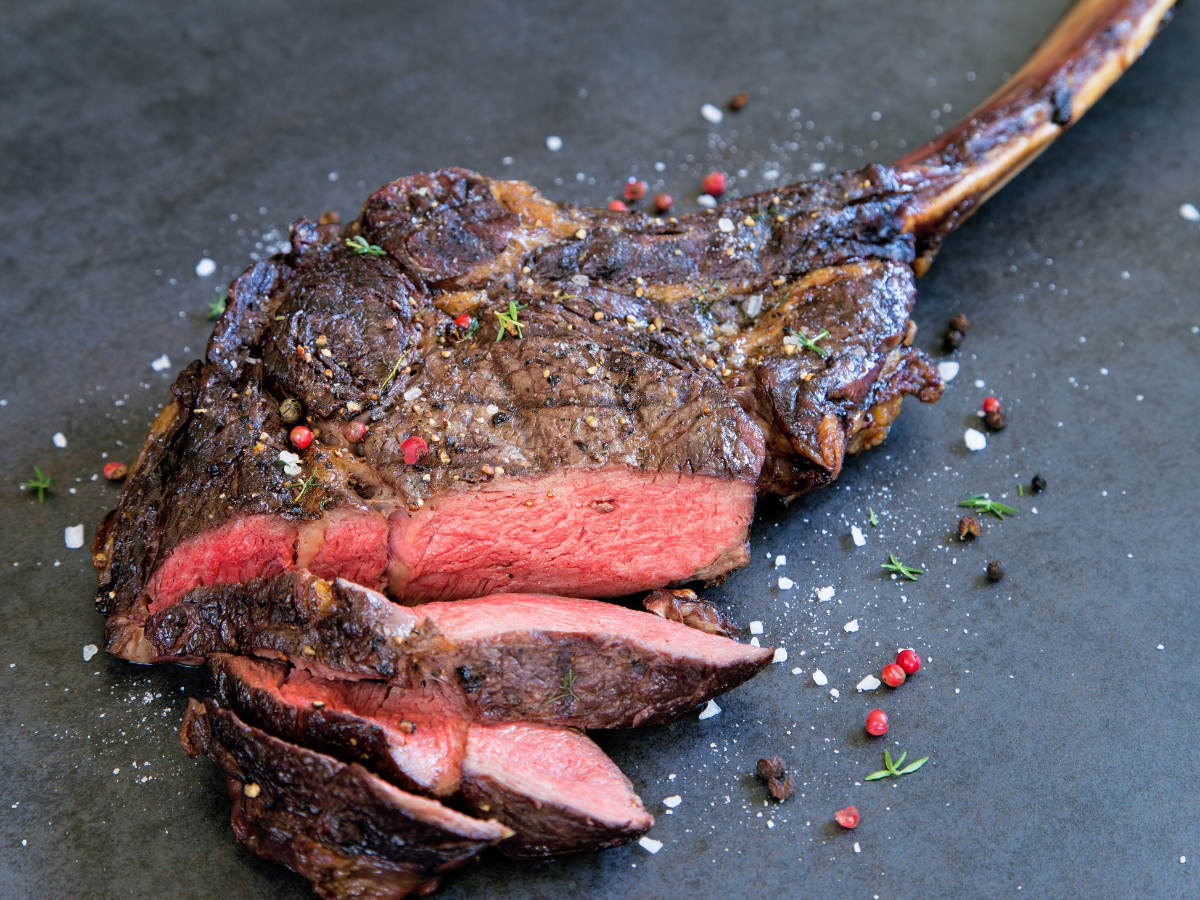 Happy Farm Jakarta for Beef and Culinary Business Needs
Happy Farm Jakarta provides a variety of beef for steak and seafood products for restaurants, hotels, catering businesses, steakhouses, and other culinary operations.
Businesses can explore the available products through Happy Farm Jakarta Products. For the latest information and updates, businesses can also visit Happy Farm Jakarta on Instagram.
Choosing the right beef for steak and working with a reliable supplier can help restaurants maintain consistent raw material quality while supporting their daily kitchen operations.
Conclusion
Every type of beef for steak has its own characteristics. Tenderloin is recognized for its exceptional tenderness, sirloin provides a balance of flavor and texture, while ribeye stands out for its marbling and rich flavor.
Other cuts such as striploin, T-Bone, tomahawk, and picanha can also be used to create more variety on a restaurant steak menu. The right beef for steak should be selected according to the restaurant concept, target customers, cooking method, and portion standards.
For culinary businesses in Jakarta, consistent procurement is also important. Working with a supplier that can provide beef for steak according to specific requirements can help restaurants maintain menu quality while supporting efficient daily operations.