


How much beef does a restaurant actually lose every week without realizing it? Excess purchases, improper storage, inconsistent portioning, and products that remain unused for too long can quietly increase operational costs.
This is why restaurant beef inventory management should become an essential part of every restaurant’s purchasing and kitchen operation. Managing beef inventory is not simply about knowing how many kilograms are available. It involves controlling how much meat is purchased, stored, prepared, used, and eventually wasted.
For restaurants that rely heavily on beef-based dishes, effective restaurant beef inventory management can have a direct impact on food costs and profitability. A well-organized inventory system allows restaurants to maintain sufficient stock without creating unnecessary excess.
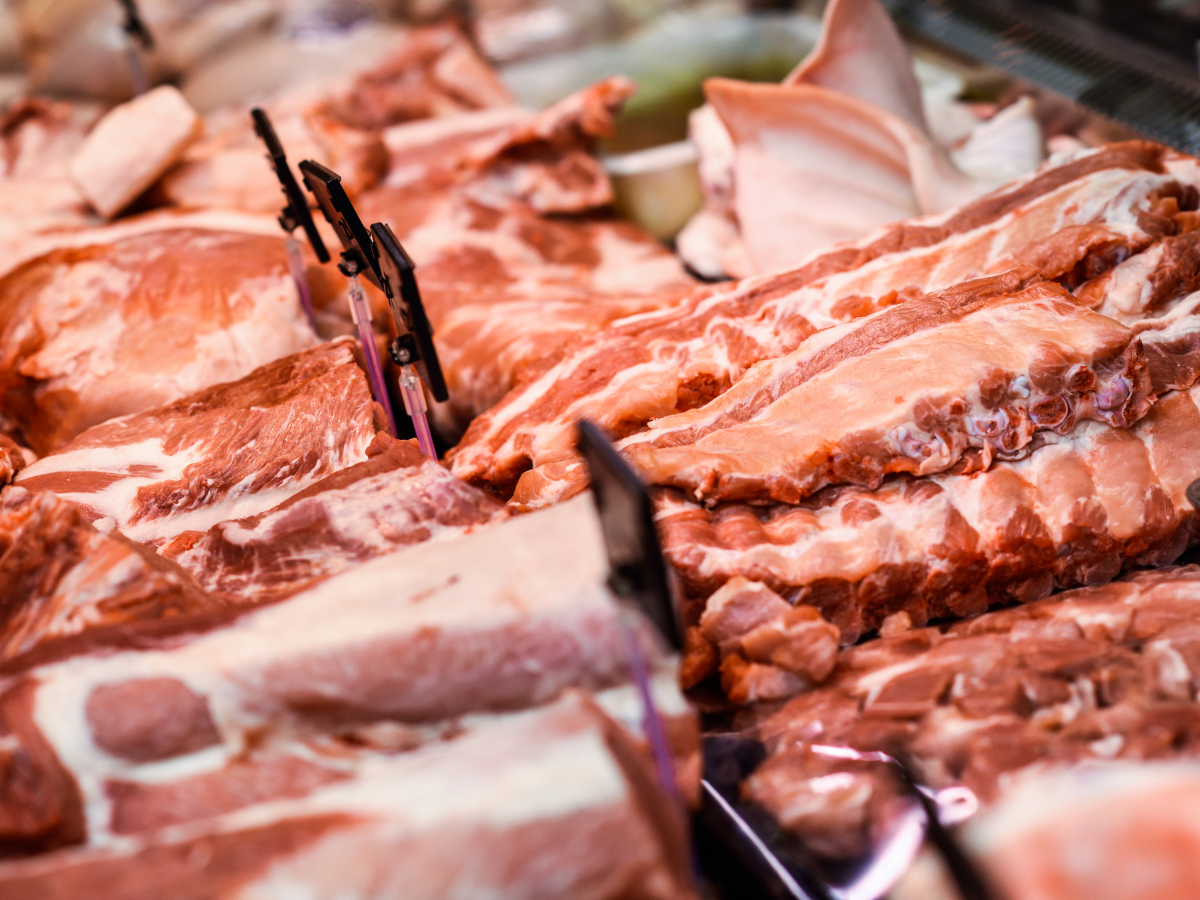 Why Restaurant Beef Inventory Management Matters
Beef is one of the ingredients that can represent a significant portion of a restaurant’s food cost. When purchasing decisions are inaccurate, the financial impact can become substantial.
Buying too much beef can create excess inventory and increase the possibility of waste. On the other hand, ordering too little can cause stock shortages, especially during busy periods.
Effective restaurant beef inventory management creates a balance between availability and efficiency. Restaurants need enough inventory to serve customers consistently while avoiding unnecessary stock that may remain unused.
This becomes particularly important for restaurants offering steaks, burgers, beef bowls, yakiniku, grilled meat, or other dishes where beef is a primary ingredient.
Calculate Beef Requirements Based on Sales Data
The first step in restaurant beef inventory management is understanding actual consumption.
Instead of estimating purchasing quantities based only on experience, restaurants should analyze historical sales data. Determine how much beef is required for each menu item and compare it with the average number of portions sold.
For example, if a steak menu requires 200 grams of beef per serving and the restaurant sells an average of 50 portions per day, the theoretical daily requirement would be approximately 10 kilograms.
However, purchasing decisions should not rely exclusively on this calculation. Restaurant beef inventory management should also consider preparation losses, trimming, demand fluctuations, promotions, weekends, and delivery schedules.
The more accurate the sales data, the easier it becomes to establish an efficient purchasing system.
Apply FIFO to Reduce Beef Waste
FIFO, or First In, First Out, is an important principle in restaurant beef inventory management.
The concept is straightforward: beef that enters the storage area first should generally be prioritized for use first. This prevents older inventory from being forgotten when newer products arrive.
Every incoming product should be properly recorded, including its receiving date, product type, weight, and storage location.
Kitchen staff can then identify which inventory should be used first. This simple system can significantly reduce the possibility of older stock remaining unused.
For restaurants with high inventory turnover, combining FIFO with digital inventory records can make restaurant beef inventory management much more accurate and easier to monitor.
Separate Inventory Based on Beef Cuts and Menu Requirements
Not all beef products have the same purpose. A restaurant may use tenderloin for premium steaks, minced beef for burgers, and different cuts for grilled or cooked dishes.
Therefore, restaurant beef inventory management should not only record total beef weight. Inventory should be categorized according to cut, specification, size, and intended menu.
This allows purchasing and kitchen teams to see exactly what is available.
For example, having 30 kilograms of total beef does not necessarily mean the restaurant has enough stock for every menu. If most of that inventory consists of cuts intended for one particular dish, other menu categories could still experience shortages.
Detailed categorization makes restaurant beef inventory management more practical and prevents unnecessary purchases.
Adjust Purchasing According to Sales Forecasts
Sales forecasting is another important component of restaurant beef inventory management.
Restaurants often have predictable demand patterns. Weekends may generate higher sales, while weekdays may have lower demand. Promotional campaigns, holidays, events, and seasonal tourism can also influence consumption.
Suppose a restaurant consistently sells 30% more steak portions every Friday and Saturday. Purchasing quantities should reflect this pattern instead of using the same order volume every day.
By connecting sales forecasts with purchasing schedules, restaurant beef inventory management becomes more proactive.
The goal is not to maintain the largest possible inventory. The goal is to maintain the right inventory at the right time.
Work with a Supplier That Supports Inventory Efficiency
Supplier selection also plays an important role in restaurant beef inventory management.
A supplier should provide more than competitive pricing. Product consistency, specifications, delivery reliability, availability, and order flexibility can all influence how efficiently a restaurant manages its inventory.
If a restaurant can receive beef according to its actual operational requirements, it may be able to reduce unnecessary stock levels.
Working with a Jakarta beef supplier that supports inventory efficiency can therefore become part of a broader purchasing strategy.
Happy Farm Jakarta is one option for restaurants and culinary businesses looking for beef supply support in Jakarta. Having a reliable supplier can make it easier for restaurant operators to maintain consistent product availability while keeping purchasing decisions aligned with actual demand.
In an effective restaurant beef inventory management system, supplier performance should also be monitored. Delivery accuracy, product consistency, and order fulfillment can all be included in the evaluation.
Conduct Regular Stock Counts
Even with a good purchasing system, inventory records can become inaccurate if physical stock is not checked regularly.
This is why regular stock counting is an important part of restaurant beef inventory management.
Compare the physical quantity in the freezer or cold storage area with the inventory records. If there is a difference, investigate the reason.
Stock discrepancies can occur because of unrecorded usage, preparation losses, trimming, damaged products, incorrect weighing, or input errors.
Regular stock counts help restaurant managers identify these problems before they become significant financial losses.
 Track Waste Instead of Only Tracking Inventory
One common mistake in restaurant beef inventory management is focusing exclusively on how much beef is purchased and how much remains.
Restaurants should also track how much beef is being wasted.
Record why products are discarded. Common causes may include:
- Expired or outdated inventory
- Improper storage
- Damaged packaging
- Excessive trimming
- Incorrect preparation
- Overproduction
- Portioning mistakes
- Products that do not meet quality standards
Once the main source of waste has been identified, management can take targeted action.
If most waste comes from excess inventory, purchasing frequency may need to be adjusted. If trimming creates excessive losses, the kitchen’s cutting procedures may need to be reviewed.
This makes restaurant beef inventory management a continuous improvement process rather than simply an administrative task.
Connect Inventory with Kitchen Operations
For restaurants looking to improve efficiency further, restaurant beef inventory management should be connected with purchasing, recipes, sales, and food-cost monitoring.
Each menu should have a standardized recipe with clearly defined beef portions.
For example, if one burger uses 150 grams of beef and the restaurant sells 100 burgers, theoretical consumption should be approximately 15 kilograms.
Management can then compare theoretical consumption with actual usage.
If actual consumption is significantly higher, there may be an operational issue that needs investigation. It could indicate inconsistent portioning, excessive waste, preparation losses, or unrecorded usage.
This approach transforms restaurant beef inventory management from a basic stock-counting activity into a data-driven operational system.
Build a More Efficient Beef Inventory System
The most effective restaurant beef inventory management strategy combines several elements: accurate purchasing, sales forecasting, proper storage, FIFO implementation, standardized recipes, regular stock counts, and waste tracking.
Restaurants should also establish clear responsibilities between purchasing teams, warehouse staff, kitchen personnel, and management.
When every department uses the same inventory data, purchasing decisions become more accurate and operational waste becomes easier to identify.
A reliable supplier can further strengthen the system by providing consistent product specifications and dependable delivery schedules.
Conclusion
Effective restaurant beef inventory management is not about keeping as much beef as possible in storage. It is about maintaining enough inventory to support daily operations while minimizing unnecessary waste.
Restaurants can begin by calculating beef requirements based on actual sales, applying FIFO, separating inventory by cut and menu requirements, forecasting demand, conducting regular stock counts, and recording every significant source of waste.
Supplier selection should also be treated as part of the inventory strategy. A dependable supplier such as Happy Farm Jakarta can help restaurants maintain consistent beef availability while making purchasing decisions more aligned with operational requirements.
Ultimately, strong restaurant beef inventory management can help restaurants control food costs, reduce waste, maintain product quality, and create a more predictable purchasing system. The result is not simply a better-organized storage area, but a more efficient and profitable restaurant operation.