


Beef Grades – Buying beef is not only about choosing meat that looks red and fresh. For households, restaurants, catering businesses, hotels, food retailers, and meat-processing businesses, it is important to understand beef quality, food safety, and product traceability before making a purchase. One key term worth knowing is Beef Grades, which refers to the way beef quality is assessed based on characteristics such as marbling, texture, tenderness, and overall meat condition.
For food businesses, this knowledge can help control ingredient costs while maintaining consistent flavor and product quality. Happy Farm Jakarta supports customers who need beef products that match their menu requirements, with attention to proper product handling, halal considerations, and food-safety standards.
What Are Beef Grades?
Beef Grades are quality classifications used to describe the characteristics of beef. These classifications may consider factors such as intramuscular fat, meat color, texture, maturity of the animal, and carcass quality. In practical terms, Beef Grades help buyers understand whether a particular cut is better suited for premium grilling, slow cooking, everyday meals, or processed products.
Beef Grades are often associated with marbling. Marbling refers to the thin white fat distributed between muscle fibers. When cooked, this fat melts gradually and can create a richer flavor, softer texture, and juicier eating experience. However, more marbling does not always mean a better choice for every dish.
Different recipes require different beef characteristics. Steak generally benefits from tender meat with balanced marbling. In contrast, dishes such as rendang, beef stew, soup, braised beef, and curry can use cuts with a firmer structure because they are cooked for a longer time. Choosing Beef Grades based on the intended dish can improve both taste and cost efficiency.
Why Beef Grades Matter for Buyers
Understanding Beef Grades helps buyers avoid choosing meat based only on appearance or price. A cut may be high quality, but it will not necessarily deliver the best result if it is used with the wrong cooking method.
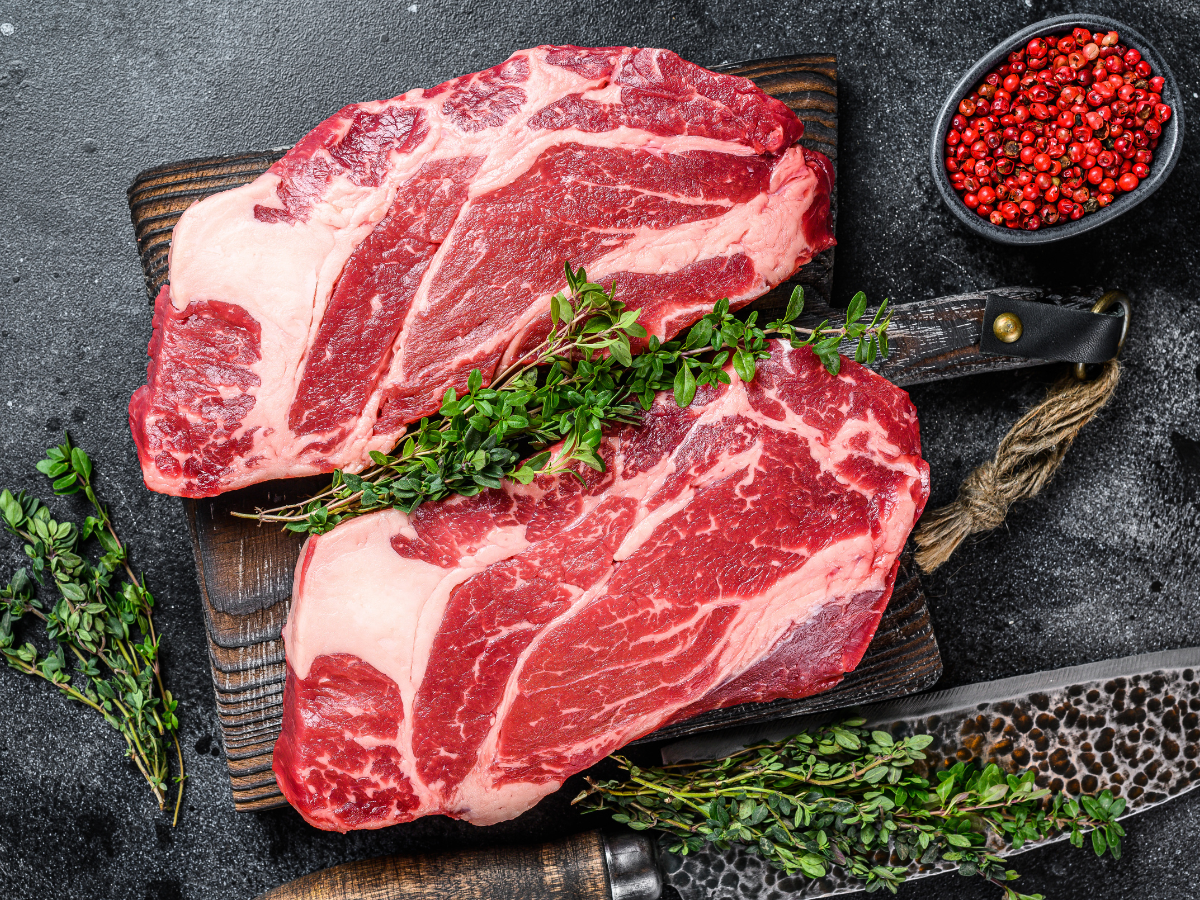
For steak menus, beef with a tender texture and suitable marbling is usually preferred. Cuts such as ribeye, striploin, and tenderloin are commonly selected for grilling or pan-searing because of their natural tenderness. Still, the final result depends not only on Beef Grades, but also on slicing thickness, storage conditions, cooking temperature, and level of doneness.
For restaurants and catering businesses, knowing Beef Grades is also useful for maintaining consistency. Customers expect a steak ordered today to have a similar taste and texture when they order the same menu again. When business owners understand the quality profile of their beef, they can build more reliable purchasing standards and reduce variation between deliveries.
Happy Farm Jakarta can assist customers in selecting beef according to their cooking needs, menu concept, and purchasing volume. This matters because the needs of a steakhouse, a catering kitchen, a home cook, and a meatball producer are not the same.
Understanding Marbling in Beef Grades
Marbling is one of the most discussed elements when talking about Beef Grades. The fine fat found within the meat melts during cooking and contributes to moisture, aroma, tenderness, and savory flavor.
Beef with good marbling is often suitable for fast cooking methods that use high heat, including steak, barbecue, yakiniku, shabu-shabu, and pan-seared dishes. As the fat melts, it naturally bastes the meat from within and produces a juicy texture without requiring excessive oil or heavy sauces.
However, buyers should still consider the final recipe. For dishes made with coconut milk, strong stock, thick sauces, or heavy spices, overly fatty beef may make the overall flavor feel too rich. Leaner cuts can provide a more balanced result in these preparations.
Therefore, Beef Grades should be seen as a practical purchasing guide rather than a prestige label. The best beef is not always the most expensive or the most heavily marbled option. It is the beef that fits the recipe, cooking technique, customer preference, and budget.
Beef Grades Are Different from Beef Cuts
Many buyers confuse Beef Grades with beef cuts, even though they describe different things. Beef Grades refer to the quality and characteristics of the meat, while a beef cut refers to the anatomical section of the animal where the meat comes from.
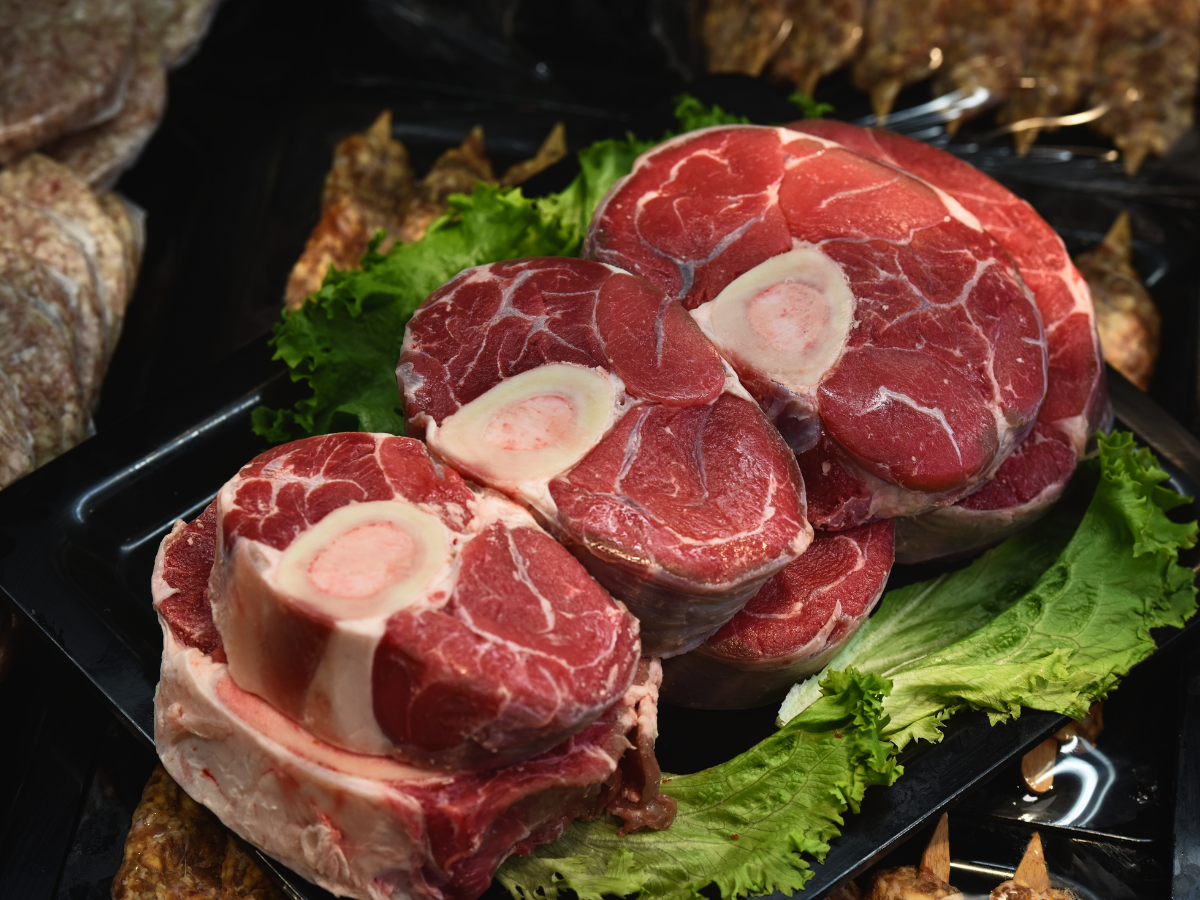
Ribeye, for example, is a cut taken from the rib area and is often known for its flavorful fat distribution. Tenderloin comes from a less-active muscle area, which is why it is widely known for tenderness. Shank, round, and other leg cuts have a denser muscle structure and are generally more suitable for soups, braises, curries, and slow-cooked dishes.
The same cut can have different quality characteristics depending on the animal’s age, breed, feeding system, handling process, and post-slaughter storage. For that reason, when buying from a Jakarta beef supplier, customers should ask more than simply, “Do you have ribeye?”
Ask about the origin of the meat, whether it is fresh or frozen, the slice thickness, packaging method, storage condition, and recommended cooking application. Happy Farm Jakarta encourages customers to make informed decisions so they can purchase beef that truly fits their needs.
The Importance of Halal Beef Standards
Beyond Beef Grades, halal assurance is an important consideration for many consumers in Indonesia. Halal beef is not limited to the slaughtering process. It also involves responsible handling after slaughter to reduce the risk of cross-contamination and to preserve the integrity of the product.
A reliable meat supply chain should be properly managed from the farm or livestock source to the slaughterhouse, packaging area, cold storage facility, delivery process, and final customer. Clean equipment, separate storage systems, and proper handling procedures all play a role in maintaining product quality and halal confidence.
For food businesses, halal assurance is closely linked to customer trust. Restaurants, catering companies, and home-based food businesses need to understand where their ingredients come from and how they are handled. This is not only about responding to consumer demand; it is also about maintaining a responsible and trustworthy business operation.
Happy Farm Jakarta understands that customers value beef products with transparent sourcing and careful handling. Before making a purchase, buyers should feel comfortable asking suppliers for relevant product information and supporting documentation when needed.
Understanding the Role of NKV in Beef Safety
NKV, or Veterinary Control Number, is another factor worth considering when selecting a Jakarta beef supplier. NKV is associated with hygiene and sanitation requirements for businesses that handle animal-origin food products.
NKV does not determine Beef Grades. However, it supports food safety by encouraging proper hygiene, sanitation, storage, and handling practices. Even premium beef can lose quality if it is stored at the wrong temperature, packed carelessly, or delivered without proper cold-chain control.
When receiving beef products, customers should inspect the packaging and product condition. The packaging should be clean, sealed, and free from damage. The meat should not have an unpleasant odor or unusual discoloration. Useful product information, such as net weight, cut type, packaging date, and storage instructions, should also be clearly available.
For culinary businesses, choosing a supplier with organized distribution practices can make daily operations more efficient. Better product handling helps reduce waste, maintain stock quality, and support consistent flavor across menu items.
How to Choose a Jakarta Beef Supplier
Jakarta offers many beef suppliers, so buyers should be selective before deciding on a long-term purchasing partner. Start by identifying your main requirement. Do you need Beef Grades for premium steaks, daily home cooking, catering production, meatball manufacturing, or traditional Indonesian dishes?
Next, pay attention to product consistency. For a business, beef that remains consistent in portion size, cut style, color, fat content, and storage condition is often more valuable than occasional purchases of premium meat. Consistency helps kitchen teams manage recipes, cooking times, portion control, and food costs more effectively.
It is also important to ask about delivery and cold-chain handling. Beef should be transported under appropriate temperature conditions to maintain freshness and product quality. This is especially relevant in Jakarta, where traffic conditions and warm weather can affect delivery performance if the cold chain is not properly maintained.
Finally, choose a supplier that communicates clearly. A good supplier does not only take orders; they should also be able to explain product options, recommend suitable cuts, clarify minimum order requirements, and provide proper storage guidance. Happy Farm Jakarta can support a wide range of customer needs, from household purchases to regular business supply.
Choose the Right Beef with Happy Farm Jakarta
Understanding Beef Grades, halal standards, and NKV considerations makes beef purchasing safer, smarter, and more efficient. Instead of selecting products only by price or by a premium-sounding cut name, buyers can make decisions based on their cooking needs and quality expectations.
For steak and grilling, choose beef with tenderness and marbling that match the desired dining experience. For rendang, braised dishes, soups, and stews, choose cuts with a stronger muscle structure that can become tender through slow cooking. For meatballs and ground-beef products, select fresh meat with a fat ratio that supports your production formula.
Happy Farm Jakarta is a Jakarta beef supplier that understands the importance of suitable product selection, responsible handling, and customer-specific needs. By learning more about Beef Grades, buyers can serve beef dishes that are flavorful, reliable, safe to handle, and aligned with the expectations of their families or customers.