


How to Choose a Beef Supplier – Selecting the right meat supplier is one of the most important decisions for any food business. Whether you own a restaurant, café, hotel, catering company, or butcher shop, the quality of your dishes depends heavily on the quality of the ingredients you use. Understanding How to Choose a Beef Supplier is essential for maintaining consistent food quality, improving customer satisfaction, and building a successful business in the long run.
As competition in the food service industry continues to grow, customers have become more selective about the meals they purchase. Premium beef with excellent freshness, proper handling, and consistent quality not only enhances flavor but also strengthens your brand reputation. On the other hand, working with an unreliable supplier can lead to inconsistent product quality, delayed deliveries, and dissatisfied customers.
This guide explains How to Choose a Beef Supplier step by step, helping you make informed purchasing decisions while introducing Happy Farm Jakarta as a trusted partner for premium-quality beef supplies.
Why Learning How to Choose a Beef Supplier Matters
Many business owners focus primarily on finding the lowest price when purchasing beef. However, How to Choose a Beef Supplier involves much more than comparing prices. A reliable supplier should consistently deliver fresh products, maintain food safety standards, provide dependable logistics, and support your business with professional service.
Choosing the right supplier reduces operational risks while ensuring your menu remains consistent every day. It also helps minimize food waste, improve kitchen efficiency, and maintain customer trust.
Understanding How to Choose a Beef Supplier from the beginning allows your business to build a stable supply chain that supports long-term growth.
Evaluate Beef Quality and Freshness
The first step in How to Choose a Beef Supplier is carefully evaluating the quality of the beef.
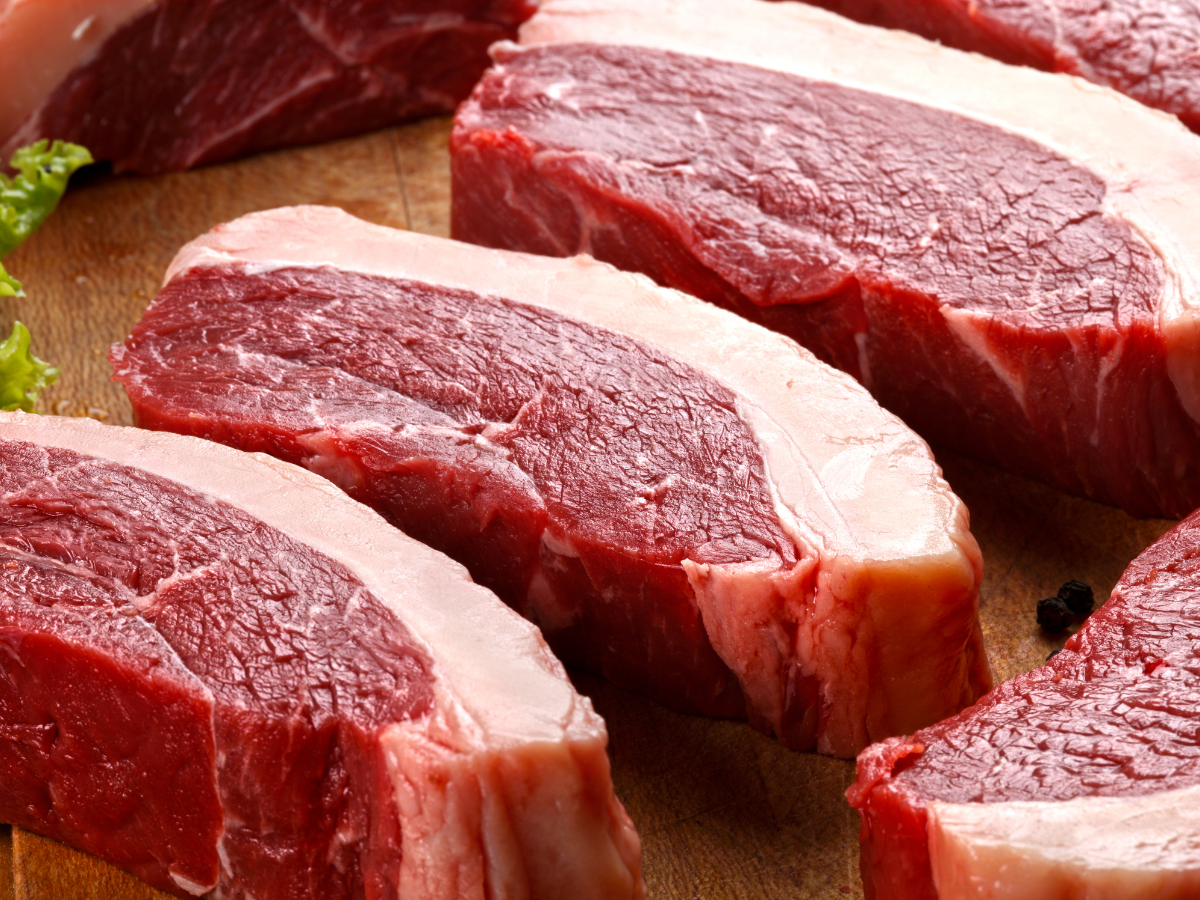
Fresh beef should have a bright red color, a firm texture, a natural smell, and minimal excess moisture. Quality meat should never appear slimy or have an unpleasant odor.
Professional suppliers also maintain strict cold chain management throughout storage and transportation to preserve freshness.
When inspecting beef, consider the following factors:
- Bright and natural red color
- Firm and elastic texture
- Fresh, clean aroma
- Hygienic packaging
- Proper product labeling
- Clear production and expiration information
An important part of How to Choose a Beef Supplier is requesting product samples before placing large-volume orders. Sampling allows you to evaluate consistency and determine whether the supplier meets your quality expectations.
Verify Food Safety Standards
Food safety should always be a priority when learning How to Choose a Beef Supplier.
A professional supplier follows strict hygiene procedures during processing, storage, packaging, and transportation. Proper handling reduces contamination risks while ensuring every shipment arrives in excellent condition.
Ask suppliers about their storage temperatures, packaging methods, and transportation systems. Reliable suppliers are transparent about their quality control procedures because they understand the importance of food safety.
Businesses that prioritize customer satisfaction should never compromise on food safety when applying How to Choose a Beef Supplier.
Choose a Supplier with a Wide Product Selection
Another essential aspect of How to Choose a Beef Supplier is selecting a supplier that offers a comprehensive range of beef cuts.
Different food businesses require different products. Steakhouses may need tenderloin, ribeye, or sirloin, while Japanese restaurants often require short plate, brisket, or thinly sliced beef. Hotels and catering companies may require multiple premium and standard cuts simultaneously.
Working with a supplier that provides a complete product range simplifies purchasing and inventory management. Instead of sourcing products from multiple vendors, you can streamline procurement through a single trusted partner.
This approach saves time, improves consistency, and reduces administrative work.
Ensure Consistent Product Availability
Reliable inventory management is another critical factor in How to Choose a Beef Supplier.
Running out of beef during peak business hours can significantly impact sales and customer satisfaction. Your supplier should be capable of maintaining consistent stock levels throughout the year, even during periods of increased demand.
Ask potential suppliers about their inventory capacity, sourcing network, and backup supply plans. Suppliers with strong procurement systems are better equipped to handle fluctuations in demand without compromising quality.
Consistency is just as important as quality when mastering How to Choose a Beef Supplier.
Assess Delivery and Distribution Capabilities
Even premium-quality beef can lose its value if it is not delivered properly.
A key part of How to Choose a Beef Supplier is evaluating the supplier’s logistics and distribution system. Refrigerated transportation and strict temperature control are essential for preserving meat quality throughout delivery.
Reliable suppliers also provide punctual deliveries, helping restaurants and commercial kitchens operate without interruptions. Timely deliveries reduce the need for excessive inventory storage while ensuring fresh ingredients are always available.
Businesses that depend on daily operations should prioritize suppliers with proven logistics capabilities.
Research the Supplier’s Reputation
Before signing any agreement, spend time researching the supplier’s reputation.
An important principle of How to Choose a Beef Supplier is working with businesses that have established credibility within the food industry.
Read customer reviews, request business references, and evaluate how long the supplier has been serving restaurants, hotels, catering companies, and food distributors.
Suppliers with strong reputations are generally more committed to maintaining quality, honoring delivery schedules, and providing excellent customer support.
Choosing a reputable supplier reduces business risks while creating a stronger foundation for long-term success.
Don’t Base Your Decision on Price Alone
One of the biggest mistakes businesses make is choosing a supplier solely because they offer the lowest price. While cost is an important consideration, How to Choose a Beef Supplier should always involve evaluating the overall value rather than focusing only on price.
Extremely low prices may indicate inconsistent product quality, inadequate storage facilities, or poor handling practices. These issues can ultimately lead to food waste, dissatisfied customers, and higher operational costs.
Instead of selecting the cheapest option, compare suppliers based on several factors, including meat quality, product consistency, delivery reliability, customer service, and overall value. A dependable supplier may charge slightly more, but the long-term benefits often outweigh the initial savings.
Evaluate Customer Service and Communication
Excellent customer service is another essential component of How to Choose a Beef Supplier.
A professional supplier should act as a business partner rather than simply a product vendor. Responsive communication ensures that your orders are processed efficiently, delivery schedules are coordinated properly, and unexpected issues can be resolved quickly.
Reliable suppliers are also willing to recommend suitable beef cuts based on your menu, seasonal demand, and budget. This level of support helps restaurants, hotels, cafés, and catering companies operate more efficiently.
Strong communication builds trust and creates a productive long-term business relationship.
Review Delivery Reliability and Distribution Network
A dependable distribution system plays a significant role in How to Choose a Beef Supplier.
Fresh beef requires strict temperature control throughout transportation. Suppliers should use refrigerated vehicles and maintain proper cold chain management to preserve product quality from the warehouse to your business.
Delivery reliability is equally important. Late deliveries can disrupt kitchen operations, delay food preparation, and negatively affect customer satisfaction.
When evaluating suppliers, ask about their delivery schedule, service coverage, emergency support, and order fulfillment process. Businesses with a well-organized logistics network are better equipped to meet your operational needs consistently.
Build a Long-Term Business Partnership
Learning How to Choose a Beef Supplier is not only about finding the best products—it is about establishing a long-term partnership.
A trusted supplier becomes familiar with your purchasing patterns and business requirements over time. This relationship often leads to additional benefits such as priority inventory allocation, competitive pricing, faster service, and personalized recommendations.
Long-term partnerships also improve supply chain stability, allowing your business to operate with greater confidence and efficiency.
Choosing a supplier that values collaboration can contribute significantly to your company’s long-term growth.
Why Choose Happy Farm Jakarta?
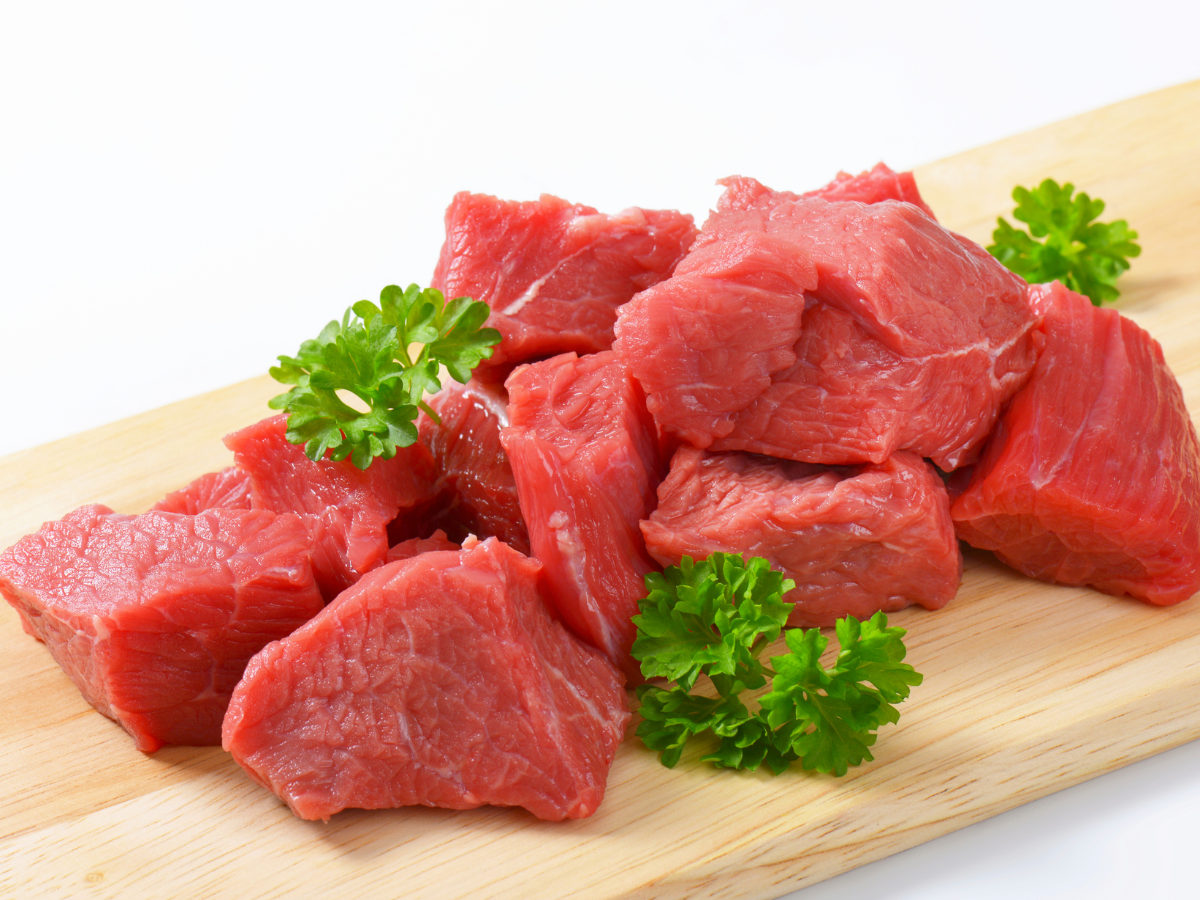
If you are looking for a reliable supplier of premium-quality beef, Happy Farm Jakarta is an excellent choice for restaurants, hotels, cafés, catering companies, retailers, and other food service businesses.
With a strong commitment to quality, consistency, and customer satisfaction, Happy Farm Jakarta provides carefully selected beef products that meet the highest industry standards. Every product is handled using proper food safety procedures to ensure freshness from storage through delivery.
Benefits of Choosing Happy Farm Jakarta
- Premium-quality beef products
- Wide selection of beef cuts for various culinary needs
- Hygienic processing and packaging
- Consistent inventory availability
- Reliable cold chain distribution
- Fast and on-time delivery
- Competitive pricing
- Professional and responsive customer service
Whether you require premium steaks, sliced beef, brisket, short plate, or other specialty cuts, Happy Farm Jakarta is committed to supporting your business with dependable products and exceptional service.
Common Mistakes to Avoid When Choosing a Beef Supplier
Understanding How to Choose a Beef Supplier also means recognizing common mistakes that can negatively impact your business.
Avoid these common errors:
- Choosing a supplier based only on price
- Ignoring food safety standards
- Failing to request product samples
- Overlooking delivery reliability
- Not checking customer reviews and business reputation
- Selecting suppliers with inconsistent inventory
- Ignoring customer support quality
- Working without a backup supplier
Avoiding these mistakes will help protect your business from supply disruptions and inconsistent product quality.
Conclusion
Understanding How to Choose a Beef Supplier is a critical investment for every food business. The right supplier contributes not only to product quality but also to operational efficiency, customer satisfaction, and long-term business success.
When evaluating suppliers, consider factors such as meat quality, food safety, product variety, inventory consistency, delivery reliability, customer service, and industry reputation. Looking beyond price allows you to build a more stable and profitable supply chain.
If you are searching for a trusted supplier that consistently delivers premium-quality beef with professional service, Happy Farm Jakarta is ready to become your long-term business partner. With high-quality products, dependable logistics, and a commitment to customer satisfaction, Happy Farm Jakarta helps food businesses maintain excellence and grow with confidence.