


Imported vs Local Beef – Choosing the right beef for a restaurant, hotel, catering company, or culinary business involves more than simply comparing prices. Quality, consistency, texture, cut selection, storage, and supply reliability all influence the final decision. This is why understanding Imported vs Local Beef is important for businesses that want reliable ingredients without compromising their menu quality.
Local and imported beef each have their own advantages. Neither option can automatically be considered superior because the final quality depends on factors such as cattle breed, feeding, processing, storage, transportation, and product specifications.
For businesses that require a consistent supply, understanding Imported vs Local Beef can help determine which option delivers the best balance between quality, operational efficiency, and cost.
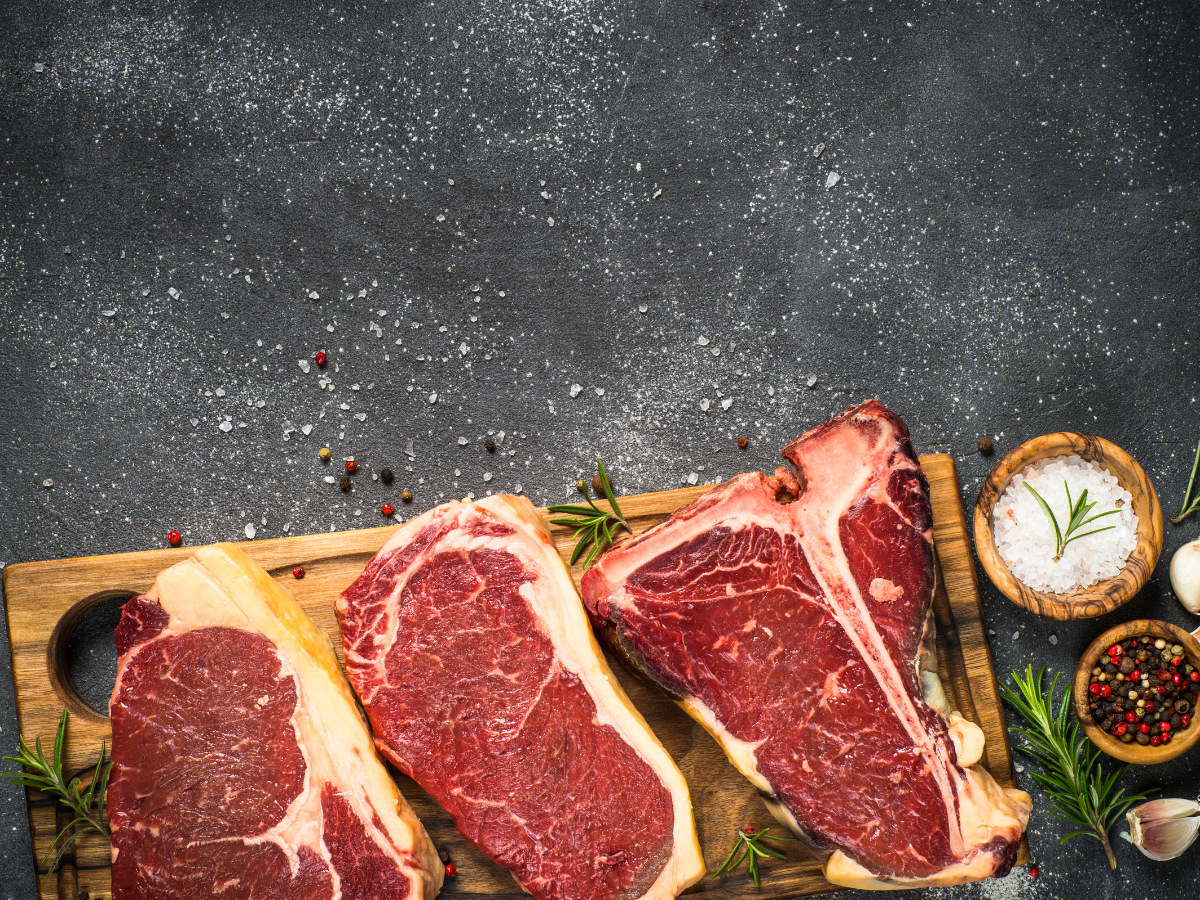 Imported vs Local Beef: What Is the Difference?
The main differences between imported and local beef can be seen in the origin of the cattle, meat characteristics, distribution process, available cuts, and product specifications.
Local beef comes from cattle raised and processed domestically. It is commonly distributed through local supply chains and is widely used in Indonesian restaurants and culinary businesses.
Imported beef, on the other hand, comes from international producers such as Australia or New Zealand and goes through an import and distribution process before reaching restaurants, hotels, or food businesses.
When comparing Imported vs Local Beef, the country of origin should not be the only factor used to determine quality. Proper handling, temperature control, storage, and distribution can have a significant impact on the condition of the meat when it reaches the customer.
Characteristics of Local Beef
Local beef is commonly used for Indonesian dishes and can be suitable for a wide range of applications, including traditional dishes, meatballs, soups, stir-fries, and selected steak menus.
One advantage is its integration into the domestic supply chain. However, the quality of local beef can vary depending on cattle breed, age, feeding practices, slaughtering methods, and post-processing handling.
For this reason, businesses looking for a reliable Beef Supplier Jakarta should evaluate not only the product itself but also the supplier’s ability to maintain consistent quality and delivery.
Characteristics of Imported Beef
Imported beef is often selected by businesses looking for specific grades, cuts, or more consistent product specifications. Certain imported products are particularly suitable for steak, BBQ, grilling, shabu-shabu, and premium restaurant concepts.
One important consideration when discussing Imported vs Local Beef is product consistency. Restaurants that require specific marbling, portion sizes, thickness, or cut specifications may benefit from the wider range of imported beef products available in the market.
Which Is Better for a Culinary Business?
There is no universal winner when comparing Imported vs Local Beef. The better option depends on the restaurant concept, menu requirements, target customers, and food-cost strategy.
A business focused on high-volume dishes and cost efficiency may find local beef more practical. Meanwhile, steak houses, premium restaurants, and grill concepts may prefer imported beef because of its available grades, cuts, and specific characteristics.
Several factors should be considered:
- Menu requirements: Different cooking methods require different beef characteristics.
- Food cost: The purchase price needs to support the restaurant’s overall food-cost target.
- Consistency: Consistent specifications are important for standardized recipes.
- Supply availability: Restaurants need suppliers that can maintain regular stock.
- Cut selection: The cut should match the preparation method and menu concept.
- Cold-chain management: Proper storage and transportation help preserve product quality.
Therefore, the Imported vs Local Beef decision should not simply focus on finding the cheapest product. The goal should be finding the product that provides the best overall value for the business.
Imported vs Local Beef: Key Factors to Compare
Understanding the key differences between Imported vs Local Beef can help business owners make a more informed purchasing decision.
Price is one of the most obvious considerations. Local beef may be more attractive for certain applications because it does not involve international import processes. However, the final price can also depend on beef grade, cut, specifications, purchase volume, and market conditions.
Quality is another important factor. Both local and imported beef can offer excellent quality. Characteristics such as marbling, tenderness, fat distribution, cattle age, processing, and aging can have a greater impact on the eating experience than origin alone.
Supply consistency is equally important for restaurants. High-quality beef does not provide much business value if the product is difficult to source consistently or does not meet the same specifications from one delivery to another.
For businesses that want to explore the differences further, Imported and Local Beef Options can be a useful starting point for understanding available products and supplier options.
How to Choose a Beef Supplier in Jakarta
After understanding Imported vs Local Beef, the next step is finding a supplier that can support your business requirements consistently.
A professional supplier should offer more than a wide selection of beef products. They should understand restaurant requirements, provide clear product specifications, maintain proper storage conditions, and support consistent deliveries.
For restaurants and culinary businesses, working with a reliable Beef Supplier Jakarta can help reduce the risk of inconsistent product quality, stock shortages, and operational disruptions.
Happy Farm Jakarta provides beef and other food products for culinary businesses with different purchasing requirements. Product selection can be adjusted based on menu type, purchasing volume, quality standards, and business needs.
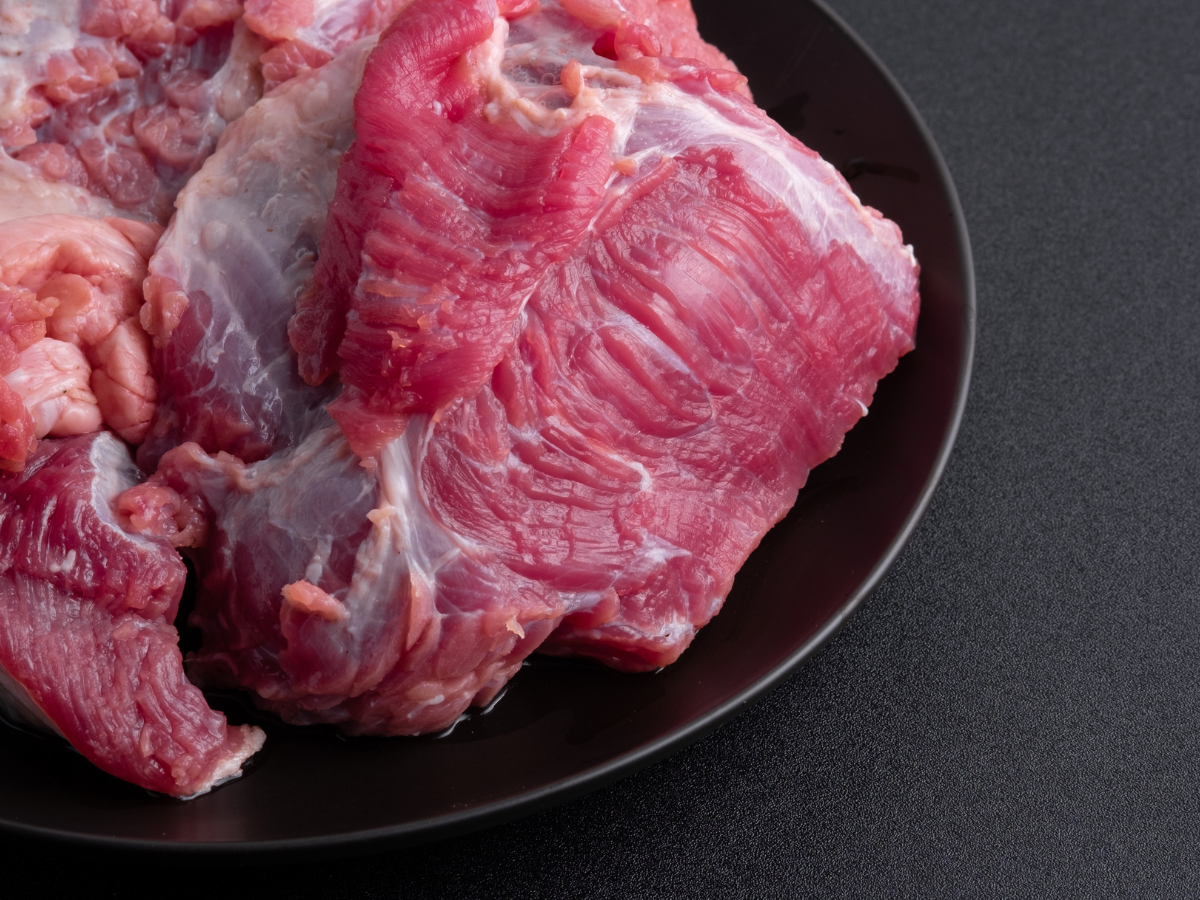 Imported or Local Beef: Choose Based on Your Business Needs
Ultimately, the Imported vs Local Beef discussion is not about declaring one option the universal winner. Both can provide excellent results when selected according to the right business requirements.
Local beef can be a practical choice for businesses that prioritize cost efficiency, domestic supply, and high-volume culinary applications. Imported beef may be more suitable when a business requires specific grades, cuts, marbling characteristics, or consistent product specifications.
The most important consideration is whether the supplier can consistently deliver the quality and specifications your business needs.
Conclusion
Understanding Imported vs Local Beef allows restaurant and culinary business owners to make purchasing decisions based on actual operational requirements rather than assumptions about whether imported or local beef is automatically better.
Both options can deliver excellent results when the product is selected correctly and handled through a reliable supply chain. For this reason, partnering with a professional Beef Supplier Jakarta can become an important part of maintaining consistent food quality and restaurant operations.
Looking for reliable beef supplies for your restaurant, hotel, catering business, or culinary operation in Jakarta? Contact Happy Farm Jakarta to discuss your product requirements and find beef options that match your business needs.