


Beef Cuts for Rendang – A delicious rendang is not just about rich spices, creamy coconut milk, and hours of slow cooking. Choosing the right beef is equally important if you want tender meat that absorbs the seasoning without falling apart. Understanding the best Beef Cuts for Rendang helps you achieve the right texture, flavor, and consistency every time you prepare this iconic Indonesian dish.
Not every beef cut performs the same way during long cooking. Some cuts remain firm enough to hold their shape, while others contain more connective tissue that gradually softens with heat. Choosing the wrong cut can leave you with dry, tough, or overly shredded meat, even after hours on the stove.
Whether you are cooking rendang at home or preparing it for a restaurant, knowing which cuts to use can make a significant difference. Here are the most suitable options and practical tips for getting the best results.
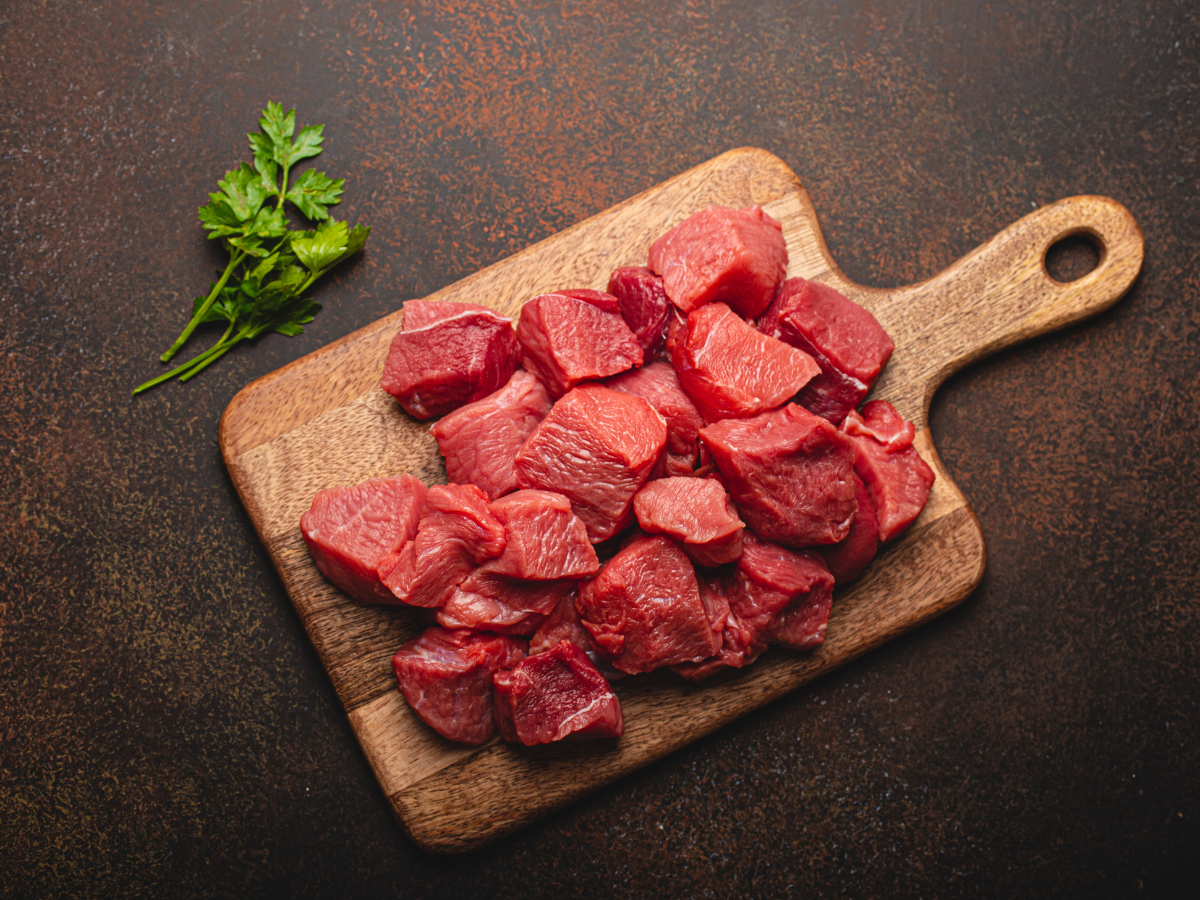 1. The Best Beef Cuts for Rendang
When selecting Beef Cuts for Rendang, consider the muscle structure, connective tissue, fat content, and cooking time. These factors influence how the meat responds to slow cooking.
Beef Topside
Topside comes from the upper rear leg of the animal. It is relatively lean and firm, making it a popular option for dishes that require neat, substantial pieces of meat.
For rendang, topside works well when you want the beef to retain its shape throughout the cooking process. Its relatively uniform structure also makes it suitable for restaurants and catering businesses that need consistent portions.
However, because topside is lean, it can become dry if overcooked without sufficient moisture. Cut it against the grain into evenly sized chunks and cook it gently with the spice mixture and coconut milk.
Beef Chuck
Chuck comes from the shoulder area and typically contains varying amounts of fat and connective tissue. These characteristics make it a useful choice for slow-cooked dishes such as rendang.
With sufficient cooking time, the connective tissue in suitable chuck cuts gradually softens, contributing to a tender texture and rich mouthfeel. The balance of meat, fat, and connective tissue can also complement the bold spices used in rendang.
Chuck is worth considering if you want a balance between flavor, texture, and cost. Because chuck specifications can vary, ask your supplier about the exact cut before purchasing.
Beef Shank
Beef shank comes from the leg and contains a relatively high amount of connective tissue. It generally requires longer cooking to become tender.
When cooked slowly, the connective tissue breaks down and contributes gelatin, creating a rich texture. However, shank may not be the first choice if you want uniformly shaped pieces with a firm bite.
This cut is better suited to recipes where a gelatin-rich texture is desirable and longer preparation times are manageable.
2. How to Choose Fresh Beef for Rendang
Selecting the right Beef Cuts for Rendang is only part of the process. The condition of the meat and how it has been handled also matter.
Before buying beef, pay attention to these factors:
- Color: Fresh beef generally has a natural red color appropriate to the cut. Avoid meat with unusual discoloration.
- Smell: Fresh beef should not have a sour, rotten, or otherwise unpleasant odor.
- Texture: The surface should not feel unusually slimy or sticky.
- Fat distribution: Choose the amount of fat based on your preferred flavor and texture.
- Storage conditions: Beef should be stored at an appropriate temperature and handled hygienically.
For restaurants and catering businesses, consistent specifications are especially important. Uniform cuts help standardize cooking times, portion sizes, and the final presentation.
3. How to Cut Beef for Tender Rendang
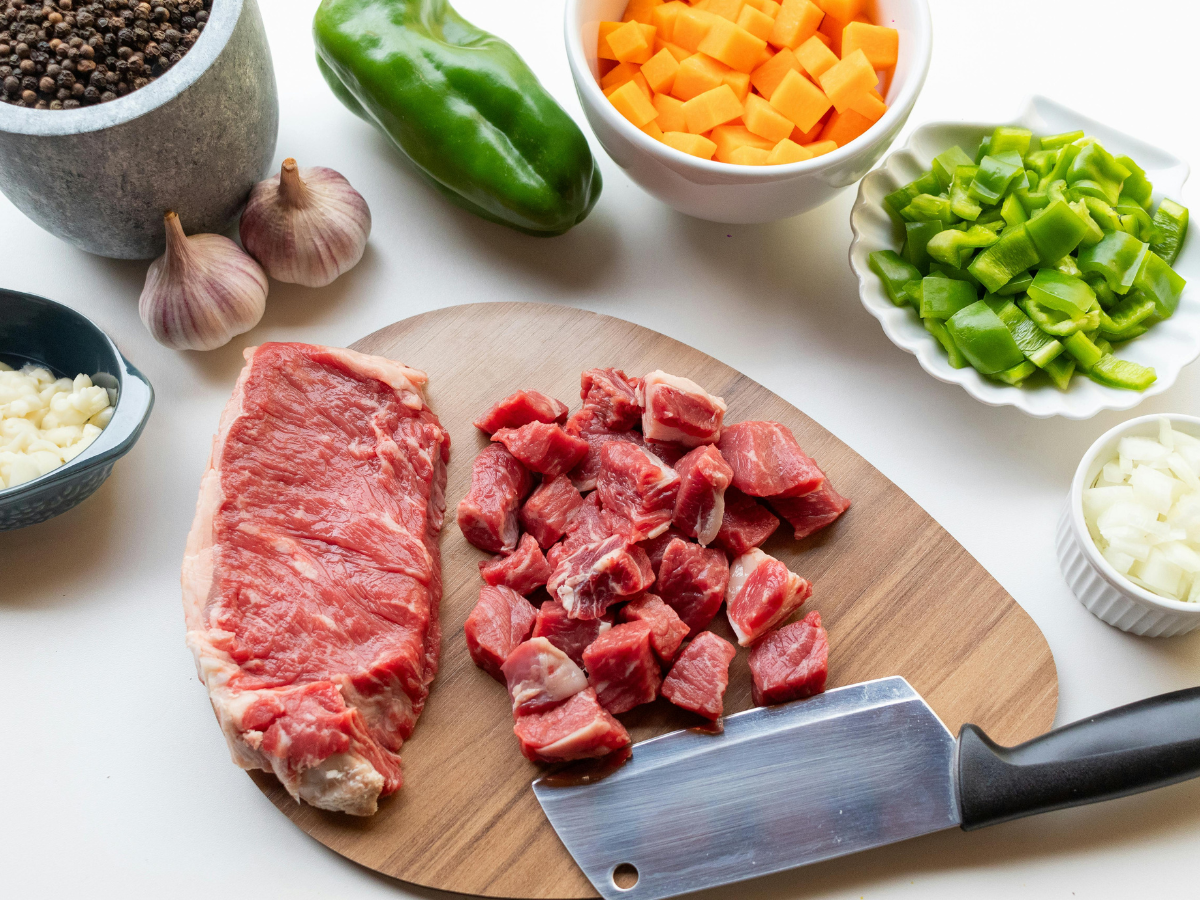
Even the best Beef Cuts for Rendang can turn out tough if they are prepared incorrectly. One common mistake is cutting the meat along the direction of the muscle fibers, leaving long strands that are harder to chew.
Cutting against the grain shortens the muscle fibers and can make each piece easier to eat. For rendang, relatively large chunks are generally preferable because the meat shrinks during cooking.
Avoid cutting the beef too small at the beginning. Small pieces can break apart during prolonged cooking, especially if they are stirred too frequently.
Once the meat is cut, cook it with the spice paste and coconut milk over low heat. Stir gently when needed to prevent the bottom from burning without damaging the shape of the beef.
Slow, controlled cooking allows the spices to penetrate the meat while gradually improving its tenderness.
4. How Long Should Beef Cook for Rendang?
There is no single cooking time that works for every beef cut. The required duration depends on the type of cut, the size of each piece, the heat level, and the cooking method.
Lean cuts such as topside may behave differently from chuck or shank, which can contain more connective tissue. Instead of relying on the clock alone, check the texture of the meat as it cooks.
Maintain gentle heat and monitor the liquid level. If the coconut milk reduces too quickly while the beef remains tough, lower the heat and add a little hot liquid when necessary.
Avoid using excessive heat to speed up the process. The bottom of the rendang may burn before the meat has had enough time to become tender.
For commercial kitchens, testing a recipe with consistent cuts and portion sizes can help establish a more reliable preparation schedule.
5. Choosing Beef Cuts for Rendang for Restaurants and Catering
For restaurants, catering companies, and Indonesian food businesses, choosing Beef Cuts for Rendang involves more than flavor alone. Purchase price, cooking yield, shrinkage, trimming requirements, and supply consistency all affect operational costs.
A cheaper cut does not automatically mean a lower cost per serving. If the meat loses too much weight during cooking or requires substantial trimming, the final cost can be higher than expected.
This is why choosing a reliable supplier matters. A dependable supplier can help your kitchen maintain consistent product specifications and plan purchases more effectively.
Happy Farm Jakarta is an option for food businesses looking for beef supply services in Jakarta. Restaurants and catering operators can visit the Supplier Daging Sapi untuk Restoran page to explore the company’s beef supply services.
Before placing an order, discuss your preferred cuts, order volume, delivery schedule, and quality requirements. These details help ensure that the beef you receive matches your kitchen’s operational needs.
You can also connect with Happy Farm Jakarta on Instagram or check its location on Google Maps for more information.
6. Common Mistakes When Choosing Beef for Rendang
Several mistakes can affect the final result. The first is choosing beef based only on price without considering its texture and cooking yield. The second is cutting the meat too small, which increases the risk of pieces breaking apart during slow cooking.
Other common mistakes include cooking over excessively high heat, stirring too aggressively, and assuming every cut needs the same cooking time.
To avoid these problems, decide what texture you want before purchasing the beef. If you prefer substantial pieces that hold their shape, consider a suitable lean cut such as topside. If you want a richer texture, chuck may be a better option. Shank can also work when you prefer a gelatin-rich result and have enough time for slow cooking.
Always adjust the cooking method to the specific cut rather than expecting every type of beef to perform identically.
 Conclusion
Choosing the right Beef Cuts for Rendang is essential for producing tender, flavorful meat that holds its shape. Topside is suitable for relatively firm, uniform pieces, chuck offers a balance of flavor and texture, and shank can create a gelatin-rich result when cooked long enough.
Freshness, cutting technique, portion size, and low-temperature cooking all contribute to the final quality. For restaurants and catering businesses, consistent beef specifications and dependable supply are equally important for managing costs and maintaining food quality.
If your business needs a reliable beef supply in Jakarta, contact Happy Farm Jakarta to discuss your product specifications and purchasing requirements.